







What's Happening?
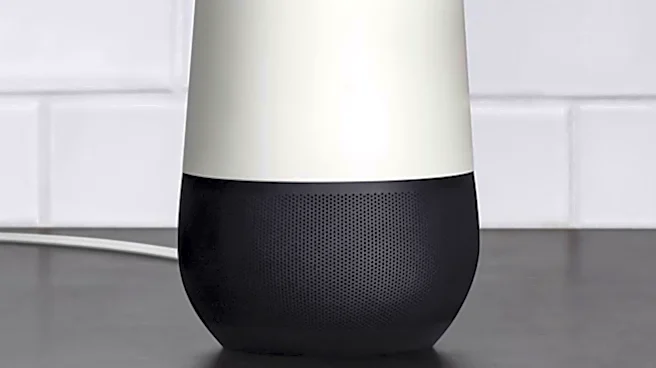
Smart home hubs serve various functions within smart home ecosystems, ranging from providing remote access and automations to translating communication protocols between devices. Ecosystem hubs, such as Apple TV, HomePod for Apple Home, Nest displays
for Google, or Echo devices for Alexa, enable remote control and automation within their specific brand ecosystems. Protocol hubs, like Zigbee or Z-Wave controllers, are essential for devices utilizing these specific communication standards, exemplified by Aqara and SmartThings hubs. Bridging hubs are particularly useful as they translate one protocol into another, allowing older devices to integrate with newer standards, such as a Zigbee hub exposing its devices to Matter. Platform hubs, often small computers running Home Assistant, offer maximum control but require more user responsibility. Before purchasing a hub, consumers are advised to check existing smart speakers, displays, and even some routers, as these devices often already function as hubs and may include features like Thread border routers.
Why It's Important?
The proliferation of smart home devices and varying communication protocols has made smart home hubs increasingly important for seamless integration and functionality. The ability of bridging hubs to translate protocols extends the lifespan and utility of older smart devices, preventing consumers from needing to replace entire systems when upgrading or expanding their smart homes. This also fosters greater interoperability, reducing fragmentation within the smart home market. For consumers, understanding the different types of hubs—ecosystem, protocol, bridging, and platform—is crucial to avoid unnecessary purchases and ensure compatibility with their chosen devices. The trend towards Matter devices and Matter-bridging hubs is significant, as it aims to future-proof smart home setups, offering a more unified and adaptable approach to home automation in an evolving technological landscape. This impacts both manufacturers, who must adapt to new standards, and consumers, who benefit from more flexible and integrated systems.
What's Next?
The smart home market is expected to continue evolving with a focus on greater interoperability and user-friendly integration. The adoption of Matter devices and Matter-bridging hubs is a key development, aiming to standardize communication across different brands and ecosystems. This will likely lead to a reduction in the need for multiple, specialized hubs, simplifying the setup process for consumers. Manufacturers will continue to integrate hub functionalities into existing devices like smart speakers and displays, making dedicated hubs less common for basic smart home needs. Consumers will need to prioritize choosing an ecosystem and a protocol strategy before purchasing devices to ensure compatibility and avoid redundant hub investments. The emphasis will shift towards more intelligent, multi-protocol hubs that can seamlessly manage diverse devices, offering a more cohesive and efficient smart home experience.
Beyond the Headlines
The evolution of smart home hubs reflects a broader industry push towards greater standardization and user convenience in the Internet of Things (IoT) space. The move towards universal protocols like Matter addresses the long-standing challenge of device fragmentation, which has often deterred mainstream adoption of smart home technology. This shift has significant implications for data privacy and security, as centralized hubs become critical points for managing sensitive home data. Ethical considerations arise regarding how these hubs collect, process, and secure user information, especially with the increasing integration of AI for local automations. The long-term impact could see smart homes becoming more autonomous and predictive, requiring robust regulatory frameworks and transparent data practices to build consumer trust. This technological convergence also highlights the growing importance of local processing capabilities in hubs, ensuring functionality and privacy even without constant cloud connectivity.