


What's Happening?
Los Angeles County has experienced its most severe mosquito season in a decade, with a significant surge in West Nile virus activity. As of November 6, California reported 528 serious human infections and 32 deaths from the virus, with Los Angeles County accounting
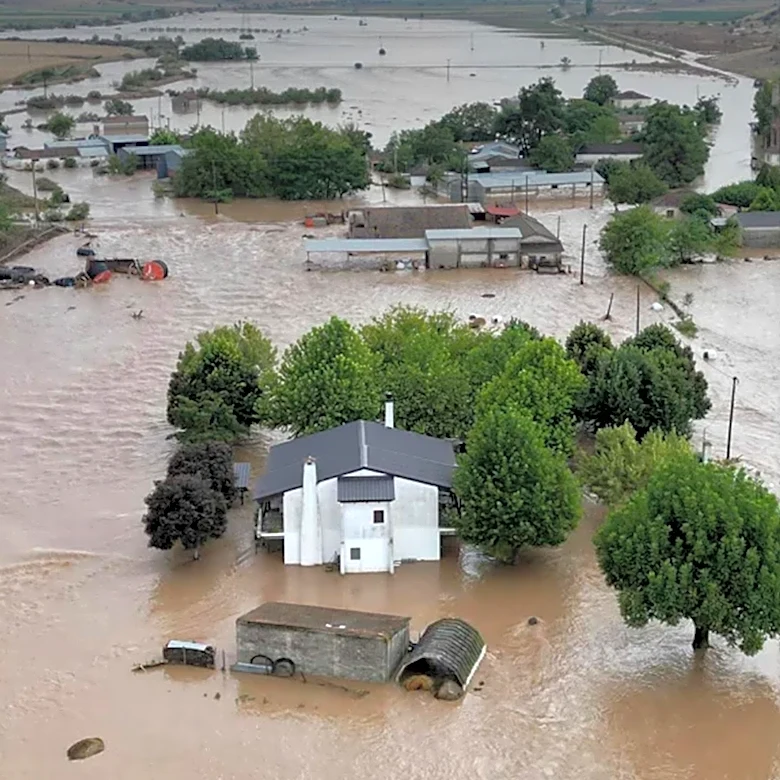
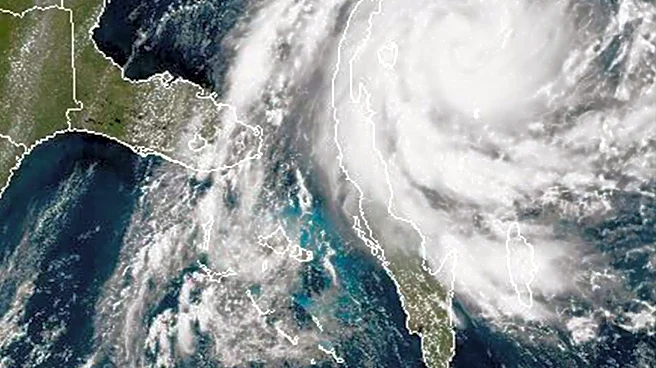
for over half of these cases. This increase is attributed to a warm, wet summer and fall, which created ideal conditions for Culex mosquitoes, the primary carriers of West Nile virus, to thrive. A UC Berkeley-led study indicated a critical temperature threshold: West Nile virus transmission significantly increases when average temperatures rise above 73 degrees Fahrenheit. Coastal Los Angeles, with summer averages hovering near this threshold, saw temperatures push past it this year, leading to heightened viral activity. Furthermore, heavy rainfall from Hurricane Marie flushed mosquito-killing treatments from storm drains, contributing to a surge in mosquito populations, with over 70% of trapped mosquitoes testing positive for West Nile virus at one point.
Why It's Important?
The surge in West Nile virus cases in Los Angeles highlights a growing public health challenge exacerbated by climate change and extreme weather patterns. The virus, which can cause severe neurological problems and death in a small percentage of infected individuals, poses a direct threat to public health, particularly for vulnerable populations. The unpredictability of outbreaks, influenced by complex interactions between birds, mosquitoes, and weather, makes effective public health interventions difficult. The increased prevalence of West Nile virus also strains local vector control districts, which face challenges from longer mosquito seasons, the emergence of invasive mosquito species like Aedes aegypti (which can carry other diseases like dengue), and limited funding. This situation underscores the need for enhanced public health strategies, increased funding for vector control, and accelerated research into vaccines and treatments for West Nile virus, which currently has no cure.
What's Next?
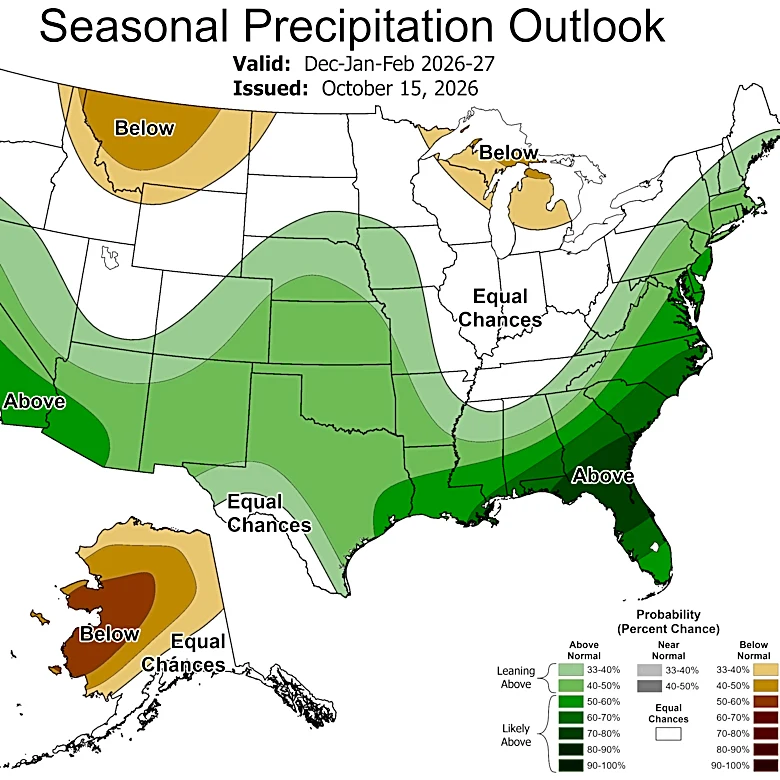
Public health and vector control officials are bracing for a potentially worse mosquito season next year, as federal forecasters predict a strong El Niño winter with a greater than 90% chance of heavy rain, especially in Southern California. If floodwaters persist into spring as temperatures rise, mosquito populations could boom, creating conditions ripe for further West Nile virus outbreaks. Experts anticipate that while areas with high case numbers this year might see a temporary reprieve due to bird immunity, other parts of the state remain vulnerable. The Centers for Disease Control and Prevention (CDC) is actively exploring new methods to combat West Nile virus, including encouraging the development of vaccines, new treatments, and improved diagnostic tests. However, the unpredictable nature of outbreaks complicates the large-scale clinical studies required for vaccine development. Local vector control districts will continue their efforts, but public cooperation in eliminating standing water will be crucial.
Beyond the Headlines
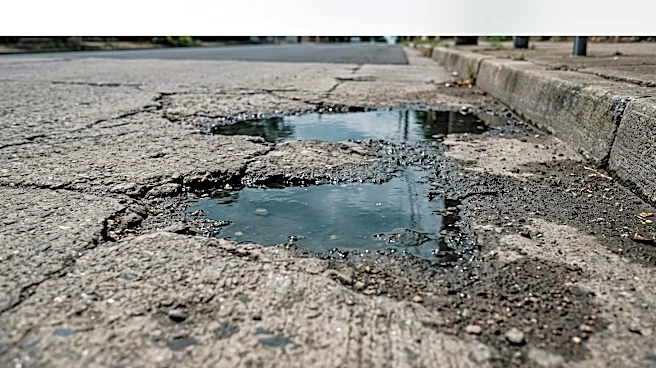
The escalating West Nile virus crisis in Los Angeles serves as a stark illustration of how climate change directly impacts public health through the proliferation of vector-borne diseases. The study identifying a narrow temperature tipping point for West Nile transmission underscores the subtle yet profound ways environmental shifts can alter disease dynamics. This situation also brings to light the broader implications for urban planning and infrastructure, as existing storm drain systems can inadvertently become breeding grounds for mosquitoes, especially when overwhelmed by extreme weather events. The strain on vector control resources, compounded by the need to manage both native West Nile-carrying mosquitoes and invasive species, points to a systemic challenge in public health preparedness. This ongoing battle against mosquito-borne illnesses highlights the urgent need for integrated approaches that combine environmental management, public education, and advanced scientific research to mitigate the health consequences of a changing climate.