


What's Happening?
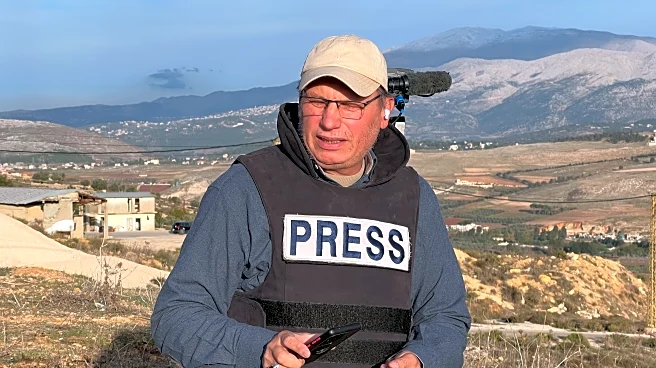
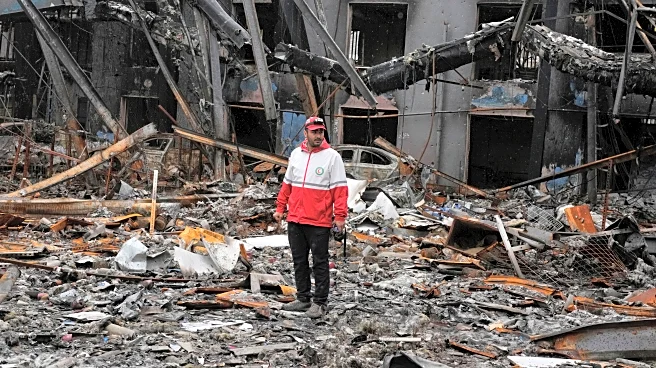
An Israeli military strike in Lebanon has resulted in the deaths of three journalists, including Ali Shuaib, a reporter for the Hezbollah-owned Al Manar television network. The Israeli military accused Shuaib of being a terrorist operating under the guise
of a journalist. The strike also killed siblings Fatima and Mohammad Ftouni, as reported by the pro-Iran and pro-Hezbollah Al Mayadeen channel. The Lebanese presidency condemned the attack as a blatant crime, asserting that it violated international laws protecting journalists. The Committee to Protect Journalists (CPJ) is investigating the incident, emphasizing that journalists are not legitimate targets regardless of their affiliations.
Why It's Important?
This incident highlights the ongoing tensions and violence in the region, particularly between Israel and Hezbollah. The targeting of journalists raises significant concerns about press freedom and the safety of media personnel in conflict zones. The Lebanese government's decision to file a complaint with the UN Security Council underscores the international implications of the attack. The deaths of these journalists could further strain relations between Lebanon and Israel and draw international scrutiny to Israel's military actions in Lebanon. The situation also reflects broader issues of media safety and the challenges journalists face in war zones.
What's Next?
The Lebanese government plans to file a complaint with the UN Security Council, which could lead to international discussions or actions regarding Israel's military conduct. The CPJ's investigation may result in calls for greater protections for journalists in conflict areas. The incident could also prompt responses from international human rights organizations and potentially influence diplomatic relations in the region. The ongoing conflict between Israel and Hezbollah is likely to continue, with potential for further escalations.