







What's Happening?
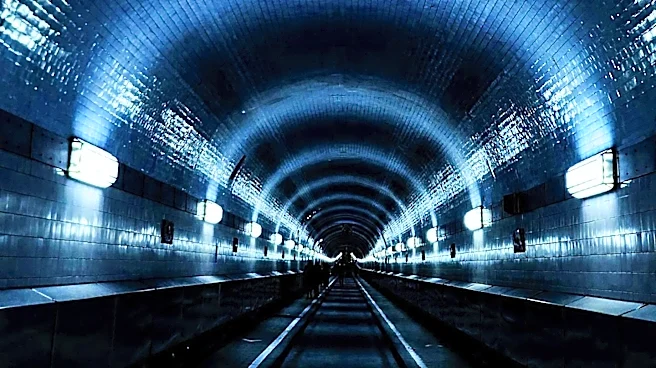
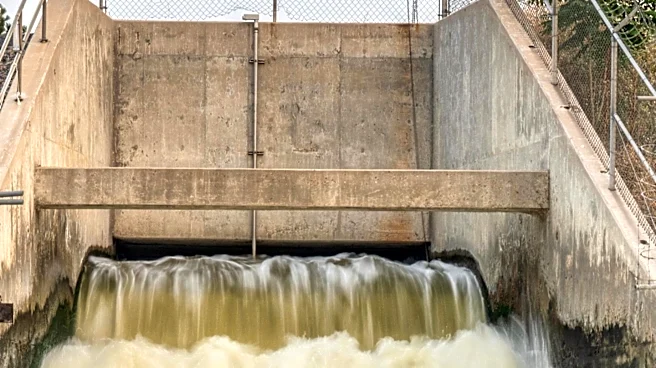
Chicago's Deep Tunnel stormwater retention system is nearing full capacity following unprecedented rainfall. The system, designed to prevent flooding by capturing stormwater and sewage, is almost overwhelmed after a particularly wet start to the summer.
The Thornton Reservoir, part of this system, is 94% full, holding 7.4 billion gallons of water, its highest level since completion in 2015. The McCook Reservoir, serving central Chicago, is also at capacity, marking the sixth time this year it has reached such levels. The Metropolitan Water Reclamation District is actively dewatering the reservoirs in anticipation of more rain later in the week.
Why It's Important?
The near-capacity status of Chicago's flood prevention system highlights the increasing challenges cities face due to climate change and extreme weather events. The situation underscores the need for infrastructure resilience and adaptation strategies to manage the growing frequency and intensity of storms. The potential for overflow and subsequent flooding poses risks to public safety, property, and the local economy. This scenario also raises questions about the adequacy of current infrastructure investments and the urgency of completing ongoing expansions, such as the McCook Reservoir's capacity increase.
What's Next?
With more rain forecasted, the Metropolitan Water Reclamation District will continue efforts to manage water levels and prevent overflow. The situation may prompt discussions on accelerating infrastructure projects and revisiting urban planning strategies to enhance flood resilience. Stakeholders, including city officials, environmental groups, and residents, may advocate for increased funding and policy measures to address the impacts of climate change on urban environments.