






What's Happening?
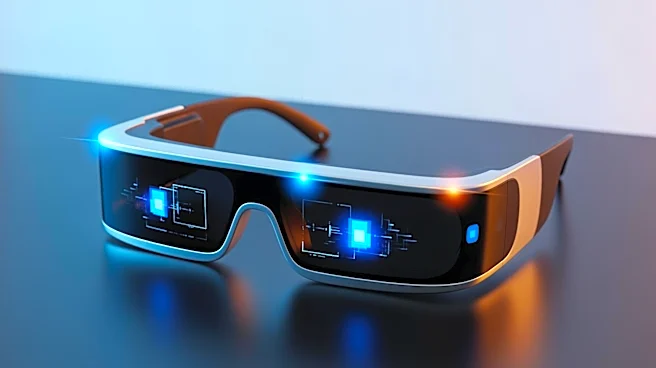
In 2026, several major companies are making significant strides in augmented reality (AR) technology. Meta has released new Ray-Ban Display models at a consumer-friendly price, signaling a shift towards mainstream adoption. Snap has created an independent
smart-glasses unit, aiming for consumer scale. Apple is testing multiple smart-glasses designs, focusing on subtlety and consumer appeal. Amazon is reportedly developing AR glasses that integrate shopping and logistics features. These developments indicate a growing market for AR technology, with companies exploring various applications and price points to attract consumers.
Why It's Important?
The advancements in AR technology have the potential to transform various industries, including retail, logistics, and consumer electronics. By making AR more accessible and affordable, companies like Meta, Apple, and Amazon are positioning themselves to capture a significant share of the emerging market. This could lead to increased consumer adoption and new business opportunities. The integration of AR into everyday life could enhance user experiences, streamline operations, and create new revenue streams for businesses. The competitive landscape is also likely to drive further innovation and investment in AR technology.
What's Next?
As companies continue to develop and release new AR products, the market will likely see increased competition and innovation. Consumers can expect more options and features as companies refine their offerings. The success of these products will depend on consumer acceptance and the ability to deliver practical and engaging experiences. Industry stakeholders will be monitoring market trends and consumer feedback to adjust their strategies and capitalize on emerging opportunities.