
What's Happening?
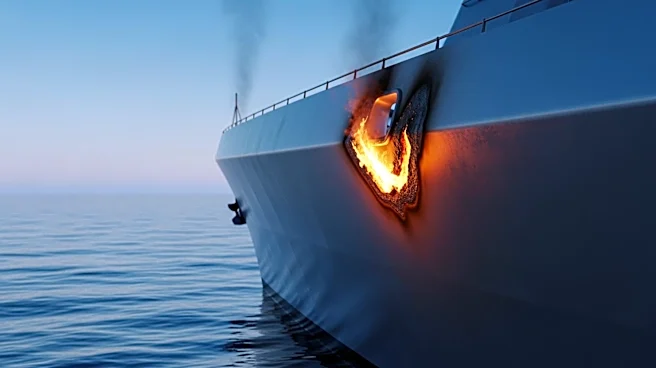
Recent developments in the Middle East have seen a series of drone attacks and heightened diplomatic tensions. Drones targeted several locations in the Gulf, including a freighter en route to Qatar from
Abu Dhabi, causing a small fire but no casualties, according to Qatar's defense ministry. Kuwait's military also reported repelling a dawn drone attack. In diplomatic exchanges, Iran has responded to a U.S. proposal for peace talks via Pakistan, emphasizing that dialogue does not equate to surrender. Meanwhile, Israeli Prime Minister Benjamin Netanyahu insists that Iran's uranium stockpile must be eliminated before considering the conflict over. The situation is further complicated by Iran's threats to target U.S. sites and enemy ships if its tankers are attacked, following U.S. strikes on Iranian tankers in the Gulf of Oman. U.S. Secretary of State Marco Rubio has met with Qatar's leader to discuss regional security.
Why It's Important?
The escalation in the Middle East has significant implications for international security and economic stability. The drone attacks and military threats could disrupt vital shipping routes in the Gulf, affecting global oil supplies and prices. The diplomatic tensions between Iran, the U.S., and its allies, including Israel, could lead to further military confrontations, impacting regional and global peace. The involvement of major powers like the U.S. and the strategic positioning of countries like Qatar highlight the geopolitical stakes. The situation also affects international relations, as countries like the UK and France are drawn into the conflict, potentially leading to broader international involvement.
What's Next?
The next steps in this unfolding situation could involve increased diplomatic efforts to de-escalate tensions, with potential peace talks mediated by international actors. However, the threat of military action remains high, particularly if further attacks on shipping or military assets occur. The U.S. and its allies may increase their military presence in the region to deter further aggression, while Iran may continue to leverage its strategic position in the Strait of Hormuz. The international community will likely monitor the situation closely, with potential sanctions or diplomatic interventions aimed at preventing further escalation.
Beyond the Headlines
The ongoing conflict in the Middle East could have long-term implications for global energy markets and international diplomacy. The strategic importance of the Strait of Hormuz as a major oil transit route means that any prolonged conflict could lead to sustained disruptions in oil supply, affecting global economies. Additionally, the conflict highlights the complex web of alliances and enmities in the region, with countries like Iran, Israel, and the U.S. playing pivotal roles. The situation also underscores the challenges of achieving lasting peace in a region marked by historical rivalries and geopolitical interests.