





What's Happening?
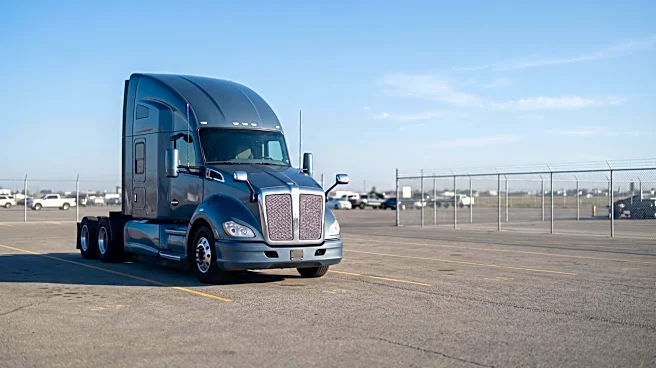
Charlotte officials are investigating a case where truck driver Donald Hicklin Jr. was charged $9,000 for his rig being towed. The incident occurred after Hicklin Jr. exceeded the allotted parking limit by 30 minutes at a lot on Sunset Road in Charlotte,
North Carolina. The itemized bill included $7,000 for the impound and tow, $500 for truck storage, and an additional $1,500 in administrative fees. Charlotte City Councilwoman At-Large Dimple Ajmera has acknowledged the situation, stating that while property owners have rights, these rights do not permit taking advantage of the community. Ajmera has received multiple complaints regarding local towing practices and is now collaborating with city staff to monitor companies that impose excessive charges. The North Carolina Attorney General’s Office will be informed of repeat offenders engaging in predatory towing practices. Currently, North Carolina does not have regulations setting maximum rates for nonconsensual private property towing.
Why It's Important?
This situation highlights a significant issue for the trucking industry and individual truck drivers in the U.S., particularly concerning the lack of standardized regulations for towing fees. The exorbitant $9,000 charge for a minor parking infraction can severely impact a driver's livelihood and operational costs. For independent truck drivers or small trucking businesses, such unexpected and high expenses can lead to financial distress, potentially forcing them out of business. The absence of maximum allowable rates for nonconsensual private property towing in North Carolina creates an environment where towing companies can exploit drivers, leading to what Councilwoman Ajmera describes as 'predatory' practices. This issue could deter truck drivers from operating in areas with unregulated towing fees, potentially affecting supply chains and the timely delivery of goods across the state and beyond. It also underscores a broader consumer protection concern, as individuals are vulnerable to unchecked charges without clear legal recourse.
What's Next?
Charlotte City Councilwoman At-Large Dimple Ajmera is actively working with city staff to track towing companies that continue to charge excessive prices. The collected information on repeat offenders will be forwarded to the North Carolina Attorney General’s Office, which could lead to investigations or legal actions against these companies. This initiative suggests a potential push for legislative changes or new regulations to cap towing fees for nonconsensual private property tows in North Carolina. The attention from local officials and the Attorney General's Office indicates a growing recognition of the problem, which may prompt a broader review of towing laws and consumer protections within the state. Truck drivers and trucking associations may also become more vocal in advocating for clearer regulations and fair pricing to prevent similar incidents in the future. The outcome of these efforts could set a precedent for how other states address predatory towing practices.
Beyond the Headlines
The incident with Donald Hicklin Jr. goes beyond a simple parking violation; it exposes a systemic vulnerability within the regulatory framework governing private property towing in the U.S. The lack of state-level caps on nonconsensual towing fees creates a legal loophole that allows some towing companies to operate with impunity, imposing charges that are disproportionate to the offense. This situation raises ethical questions about fairness and consumer protection, particularly for essential workers like truck drivers who often face limited parking options. The economic impact extends beyond individual drivers, potentially increasing operational costs for trucking companies, which could, in turn, affect consumer prices for goods. Furthermore, the public outcry and official response in Charlotte could catalyze a broader movement for legislative reform across other states, pushing for more transparent and equitable towing regulations. This event highlights the need for a balance between property owners' rights and the protection of individuals from exploitative business practices.