





What's Happening?
Panamanian President José Raúl Mulino has proposed that Tulane University establish a maritime and logistics studies center in Panama's Ciudad del Saber. The proposal was made during a meeting with a delegation from Tulane University, including Martin
Davies, director of the Tulane Maritime Law Center. President Mulino, an alumnus of Tulane, suggested this initiative as the university is set to conclude a long-standing program in Greece next year. The proposed center aims to benefit Panamanian students and those from the wider Latin American region, offering specialized education in maritime law and logistics. The delegation from Tulane expressed interest in Panama's future, its projects, and investments that strengthen its regional leadership, as well as mechanisms to deepen cooperation with the country. The President emphasized the potential impact of such a center, noting the high interest from students in Panama and other maritime-oriented nations who could pursue studies without the high costs associated with studying in the United States.
Why It's Important?
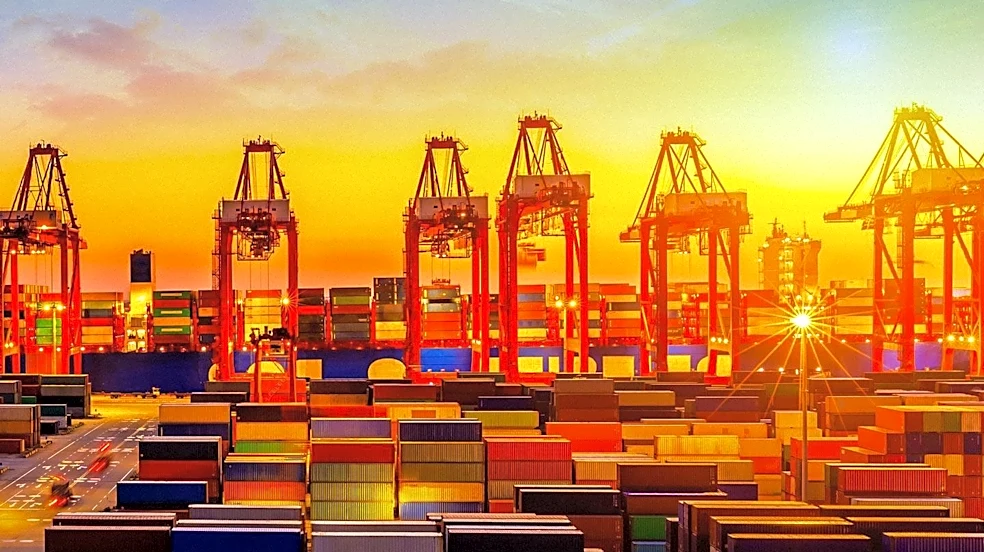
The potential establishment of a Tulane University maritime and logistics center in Panama holds significant implications for both U.S. higher education and Panama's strategic position. For Tulane, it represents an expansion of its international academic footprint, particularly in a region critical for global trade and maritime activities. This could enhance the university's reputation and influence in specialized fields. For Panama, hosting such a center would bolster its status as a global logistics and maritime hub, attracting talent and fostering expertise in a sector vital to its economy. It would provide accessible, high-quality education for Panamanian and regional students, potentially reducing the brain drain and developing a skilled workforce. This initiative could also strengthen educational and cultural ties between the U.S. and Panama, promoting academic exchange and collaborative research in areas of mutual interest, such as international trade and supply chain management. The move could also serve as a model for other U.S. universities looking to establish specialized centers in strategically important international locations.
What's Next?
The proposal for a Tulane University maritime and logistics center in Panama is currently in its preliminary stages. President Mulino indicated that the idea is still 'very much in draft form,' suggesting that detailed discussions and planning are yet to occur. The next steps would likely involve further negotiations between Tulane University and the Panamanian government to assess the feasibility, funding, curriculum development, and logistical requirements for establishing such a center in Ciudad del Saber. Given that Tulane's program in Greece is concluding next year, there might be an accelerated timeline for these discussions. Stakeholders, including academic administrators, legal experts, and government officials from both sides, will need to work collaboratively to flesh out the specifics of the initiative. The success of this endeavor will depend on securing necessary resources, developing a robust academic framework, and ensuring alignment with Panama's national development goals in the maritime and logistics sectors.
Beyond the Headlines
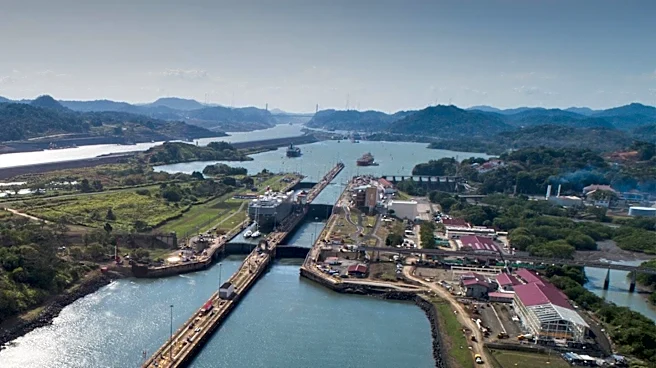
Beyond the immediate academic and economic benefits, the proposed Tulane center in Panama could signify a deeper trend in international education and geopolitical strategy. The focus on maritime and logistics studies underscores the enduring importance of the Panama Canal and the country's role in global trade. By establishing a specialized center, Tulane University would not only be educating future leaders in these fields but also potentially influencing policy and best practices in a critical global corridor. This initiative could also be seen as a form of soft diplomacy, strengthening U.S. influence and educational ties in Latin America. Furthermore, it highlights the increasing demand for specialized education that directly addresses global economic needs, moving beyond traditional academic offerings to create programs with direct industry relevance. The success of this model could encourage other U.S. institutions to explore similar partnerships in regions where their expertise can align with local strategic priorities, fostering a new era of international academic collaboration.