





What's Happening?
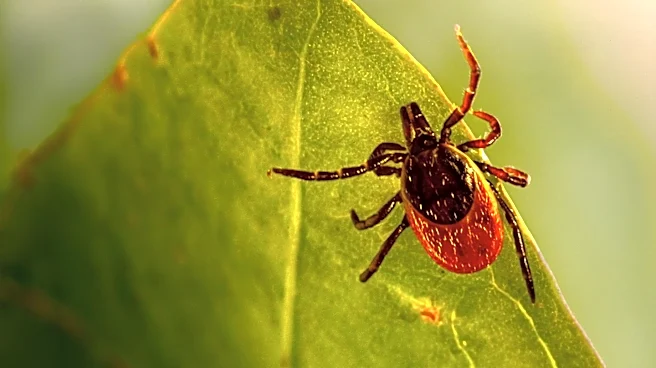
The Hawaiʻi Department of Agriculture and Biosecurity (DAB) and Department of Health (DOH) are jointly investigating a possible lone star tick discovery in Hauʻula, a species not previously known to exist in Hawaiʻi. The report was made to the DAB Pest
Hotline on November 6, prompting a mobilization of DOH Vector Control Branch, DAB Plant Quarantine Branch, and Plant Pest Control Branch. While the reporting party provided a photo, the tick itself was not recovered, preventing investigators from confirming its species. There have been no reports of anyone being bitten. On November 10, a survey using tick drags was conducted by DAB and VCB personnel in the area. This method involves pulling cloth pieces along grassy areas where ticks might be present. The survey did not discover any ticks. According to the Centers for Disease Control and Prevention (CDC), lone star ticks are known to spread diseases, including alpha-gal syndrome, which causes an allergy to red meat. Dr. Isaac Maeda, DAB Animal Industry Division Administrator, emphasized the concern over any new tick species in Hawaiʻi, as only two species, the Brown Dog Tick and Spinose Ear Tick, are currently known to reside there. DOH officials note that tick-to-human disease transmission is rare in Hawaiʻi, but symptoms like fever, headaches, nausea, and fatigue can appear days or weeks after a bite, urging prompt medical attention if suspected.
Why It's Important?
The potential introduction of the lone star tick to Hawaiʻi carries significant public health and ecological implications. As a vector for diseases like alpha-gal syndrome, its establishment could introduce new health risks to the island's population, potentially leading to an increase in cases of this red meat allergy, which is currently rare in the state. The economic impact could also be substantial, affecting local agriculture and tourism if concerns about tick-borne illnesses rise. Furthermore, the introduction of a new invasive species can disrupt existing ecosystems, potentially impacting native wildlife and flora. The current rarity of tick-borne diseases in Hawaiʻi makes the potential arrival of a new, disease-carrying species a critical concern for public health authorities. The proactive investigation by DAB and DOH highlights the state's commitment to biosecurity and preventing the establishment of invasive species that could threaten both human health and the unique Hawaiian environment.
What's Next?
The Hawaiʻi Department of Agriculture and Biosecurity (DAB) and Department of Health (DOH) will continue to monitor for the presence of lone star ticks in the state. Public vigilance is crucial, and residents are encouraged to report any suspected invasive species to the Pest Hotline at 808-643-PEST (7378). Further surveys and public awareness campaigns may be implemented to educate residents about identifying ticks and preventing bites. Should a lone star tick be definitively identified, more aggressive eradication or control measures could be considered to prevent its establishment and spread. Healthcare professionals will also need to be aware of the potential for new tick-borne illnesses, such as alpha-gal syndrome, to ensure timely diagnosis and treatment. The ongoing collaboration between agricultural and health departments will be essential in responding to any future confirmed sightings and mitigating potential risks to public health and the environment.
Beyond the Headlines
The incident underscores the constant threat of invasive species to isolated ecosystems like Hawaiʻi. The state's unique biodiversity is particularly vulnerable to non-native introductions, which can have cascading effects on local flora, fauna, and human health. The investigation, even without a confirmed tick recovery, highlights the importance of rapid response systems and public participation in biosecurity efforts. The potential for alpha-gal syndrome, a relatively new and complex allergy, also brings to light the evolving landscape of public health challenges posed by vector-borne diseases. This situation serves as a reminder of the interconnectedness of environmental health and human well-being, emphasizing the need for robust biosecurity protocols and continuous surveillance to protect both the natural environment and the health of communities.