





What's Happening?
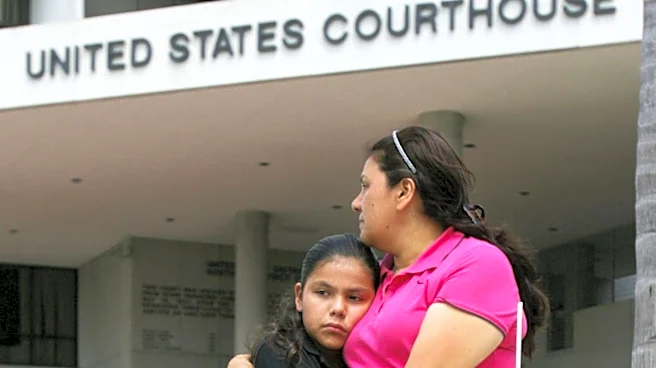
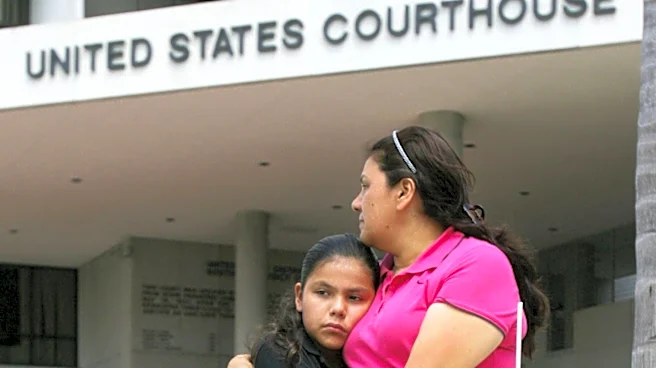
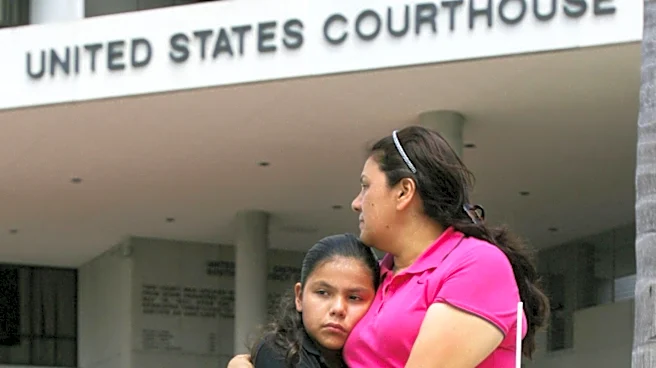
A federal judge has issued a temporary restraining order requiring the U.S. Citizenship and Immigration Services (USCIS) to provide at least 21 days' notice for asylum interviews of unaccompanied minors. This ruling, issued by Judge Brendan A. Hurson
of the Maryland District Court on October 30, 2026, has nationwide effect. It suspends USCIS policies implemented in September 2026 that had reduced notice periods to mere hours and required "exceptional circumstances" for rescheduling. The order also reinstates a previous policy allowing one automatic rescheduling and a second for "good cause," considering factors like attorney availability, scheduling conflicts, evidence gathering, and the minor's ability to attend. This decision stems from a lawsuit filed by six legal aid organizations, including The Door and Amica Center for Immigrant Rights, which documented instances of inadequate notice and denied rescheduling requests, even in cases of simultaneous commitments or traffic accidents.
Why It's Important?
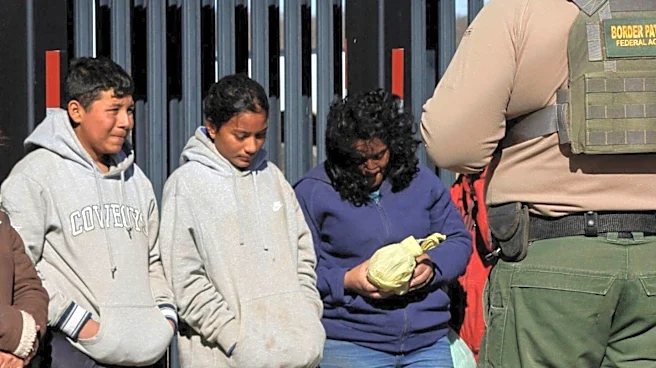
This judicial order is crucial for ensuring due process and adequate legal representation for vulnerable unaccompanied minors seeking asylum in the United States. The previous USCIS policies, which provided minimal notice for interviews, created significant challenges for legal aid organizations and attorneys. Preparing a minor for an asylum interview can require extensive work, often between 10 and 30 hours per client, involving evidence collection, complex legal analysis, and assisting children in recounting traumatic experiences. Without sufficient notice, attorneys were unable to adequately prepare their clients, potentially jeopardizing their asylum claims. The judge emphasized the public interest in avoiding a "chaotic system" that could lead to the erroneous expulsion of vulnerable children to dangerous situations, highlighting the humanitarian and legal implications of the USCIS's prior practices.
What's Next?
USCIS is required to submit a compliance report within 48 hours of the order. The temporary restraining order is set to expire on November 13, 2026, unless the court decides to extend or modify it. Legal aid organizations will likely monitor USCIS's adherence to the new notice requirements and rescheduling policies. This ruling could prompt USCIS to re-evaluate its procedures for scheduling and rescheduling asylum interviews for unaccompanied minors, potentially leading to more permanent changes that prioritize the well-being and legal rights of these individuals. The broader implications could include increased scrutiny of USCIS's operational policies, particularly those affecting vulnerable populations, and a renewed focus on ensuring fair and humane treatment within the asylum process.
Beyond the Headlines
The ruling underscores the ongoing tension between immigration enforcement efficiency and the protection of human rights, particularly for children. The judge's strong statement about society's stake in preventing a chaotic system that could endanger children highlights the ethical dimensions of immigration policy. This case also brings to light the critical role of legal aid organizations in advocating for the rights of immigrants and holding government agencies accountable. The challenges faced by unaccompanied minors, often fleeing violence and persecution, are compounded by procedural hurdles. This decision serves as a reminder that legal frameworks must be robust enough to safeguard the most vulnerable, ensuring that administrative processes do not inadvertently lead to unjust outcomes or further trauma for those seeking refuge.