
What's Happening?
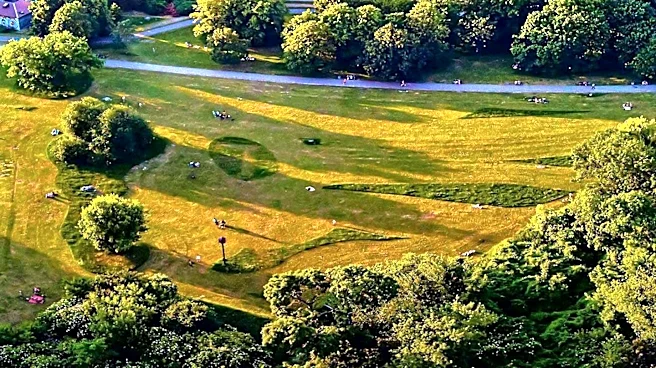
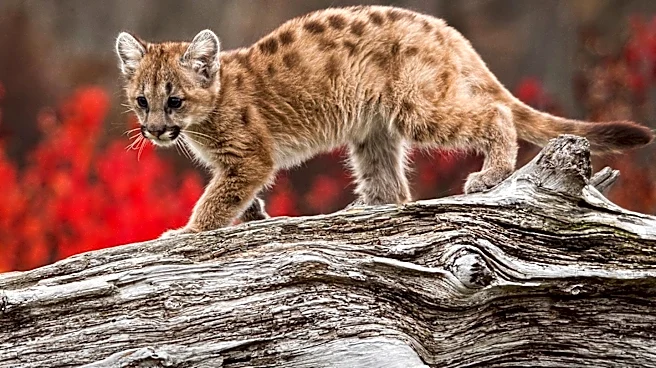
A mountain lion that was spotted in San Francisco's Panhandle park on Saturday night has left the area on its own. The animal was initially seen climbing a tree near Fell and Baker streets. San Francisco Animal
Care and Control (ACC) received the first report on Saturday morning. Throughout the day, rangers from the Recreation and Park Department and ACC, along with wildlife wardens, monitored the animal. By 9 p.m., an alert was issued to residents to stay clear of the park. Officers used a drone and flashlights to track the lion overnight. By Sunday morning, the scene was quiet, and the roads had reopened, with officials confirming the lion had departed peacefully, describing it as a 'best case scenario.'
Why It's Important?
The presence of a mountain lion in an urban park like San Francisco's Panhandle highlights the increasing interface between wildlife and human populations, a growing concern in many U.S. cities. This incident underscores the importance of effective wildlife management protocols and public safety measures. The coordinated response by ACC, the Recreation and Park Department, and wildlife wardens demonstrates a successful approach to handling such situations, prioritizing both public safety and the welfare of the animal. The peaceful departure of the mountain lion, without the need for tranquilization or forced relocation, is significant as it minimizes stress on the animal and avoids potential risks associated with intervention. This event also serves as a reminder for urban residents to be aware of wildlife presence and follow safety guidelines.
What's Next?
Following the mountain lion's departure, San Francisco officials have reopened the Panhandle park and confirmed that there is no longer an immediate threat. While no further sightings were reported by Sunday morning, authorities will likely remain vigilant for any signs of wildlife in urban areas. The incident may prompt further public awareness campaigns regarding how to react to wildlife encounters, especially with large predators. The 'best practices' followed, which included keeping the area quiet and calm, will likely be reinforced as a model for future similar situations. This event could also contribute to ongoing discussions about urban planning and wildlife corridors to mitigate human-wildlife conflicts.
Beyond the Headlines
The appearance of a mountain lion in a densely populated urban area like San Francisco raises broader questions about habitat encroachment and the ecological balance in rapidly developing regions. As urban sprawl continues, wildlife habitats are fragmented, pushing animals into closer contact with human settlements. This incident could spark discussions on conservation efforts, the importance of preserving natural spaces, and the need for educational initiatives to foster coexistence between humans and wildlife. The 'best case scenario' outcome in this instance offers a valuable lesson in non-invasive wildlife management, emphasizing patience and allowing animals to self-resolve situations when possible. It also highlights the adaptability of wildlife, even in unexpected environments.