







What's Happening?
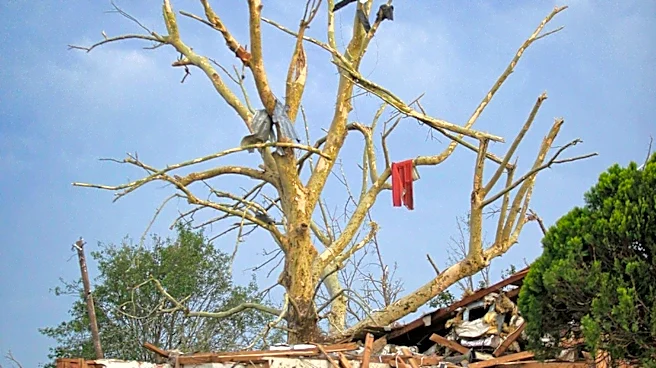
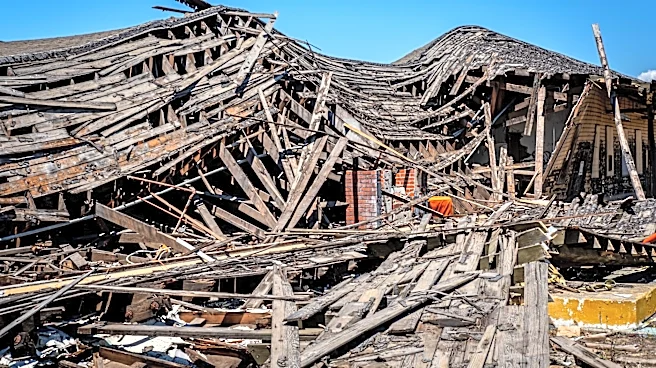
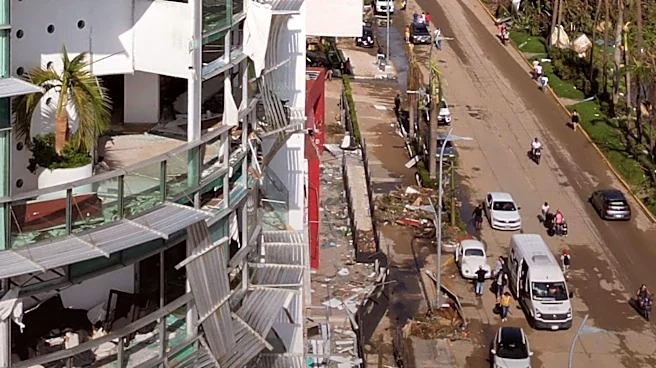
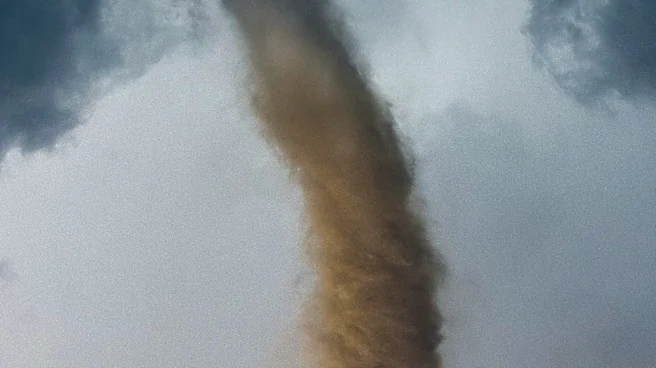
On July 4th, a severe storm system with winds reaching up to 92 mph struck central Oklahoma, including the Oklahoma City metro area. The storm resulted in significant damage, including uprooted trees, debris-covered roads, and downed powerlines, leaving
thousands without electricity. In response, local authorities have initiated cleanup efforts. The city has scheduled debris pick-up from July 9 to August 6, with specific dates allocated for different city wards. Residents are instructed to place debris in public right-of-way spaces for removal, and only residential properties are eligible for city debris removal. The city has also provided guidelines for separating vegetative and construction debris. Additionally, residents can obtain burn permits for debris disposal on designated Burn Days. The city's delayed Fourth Fest fireworks finale is rescheduled for July 10 at Reaves Park.
Why It's Important?
The storm's impact on the Oklahoma City metro area highlights the vulnerability of urban infrastructure to severe weather events. The cleanup efforts are crucial for restoring normalcy and ensuring public safety. The damage to powerlines and roads underscores the need for resilient infrastructure capable of withstanding extreme weather. The economic implications are significant, as the cleanup and restoration efforts require substantial resources and coordination. The situation also emphasizes the importance of emergency preparedness and effective communication between local authorities and residents. The rescheduling of community events like the Fourth Fest fireworks reflects the broader social impact of the storm, affecting local traditions and community morale.
What's Next?
As cleanup efforts continue, residents are encouraged to report storm damage to state authorities. The city will monitor the progress of debris removal and adjust schedules as needed. Local governments may consider reviewing and updating their emergency response plans to better prepare for future severe weather events. The situation may prompt discussions on infrastructure improvements and investments to enhance resilience against similar incidents. Community engagement and feedback will be vital in assessing the effectiveness of the current response and identifying areas for improvement.