


What's Happening?
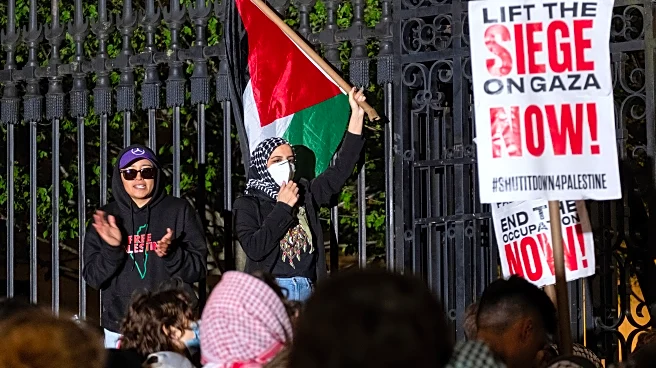
Leqaa Kordia, a Palestinian woman detained in the U.S. for a year following protests at Columbia University, has been released on a $100,000 bond. Kordia, who has lived in New Jersey since 2016, was the last person detained after the Trump administration's
crackdown on pro-Palestinian activists. Her release follows multiple bond orders by an immigration judge, which the government initially challenged. Kordia's detention was linked to her participation in protests against Israeli military actions in Gaza. Her case drew attention due to the conditions of her detention and the broader implications for activists. Kordia plans to continue advocating for those still detained, highlighting issues of injustice within the immigration system.
Why It's Important?
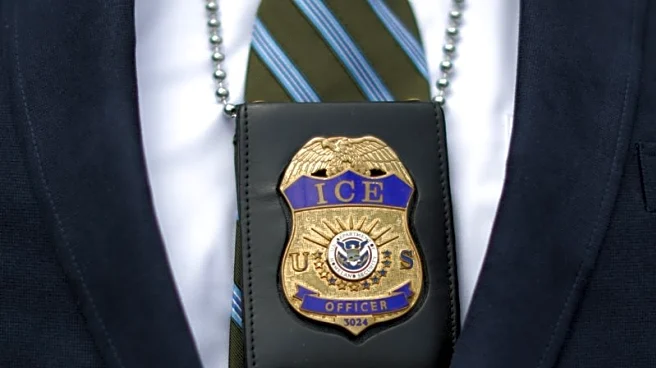
Kordia's release underscores the contentious nature of immigration enforcement in the U.S., particularly concerning activists and noncitizens. Her case highlights the intersection of immigration policy and political activism, raising questions about the use of immigration detention as a tool for political suppression. The situation reflects broader debates over civil liberties and the rights of noncitizens in the U.S. The outcome of Kordia's case may influence future policies regarding the detention of activists and the treatment of noncitizens involved in political protests. Her release also brings attention to the conditions within immigration detention centers and the need for reform.
What's Next?
Kordia's case may prompt further scrutiny of immigration enforcement practices, particularly those targeting activists. Advocacy groups are likely to continue pushing for policy changes to protect the rights of noncitizens and ensure fair treatment within the immigration system. Kordia's ongoing advocacy efforts may contribute to broader movements for immigration reform and civil rights. The situation may also influence public opinion and political discourse on immigration policy in the U.S. The potential for legal challenges and legislative action remains, as stakeholders seek to address the issues highlighted by Kordia's case.