




What's Happening?
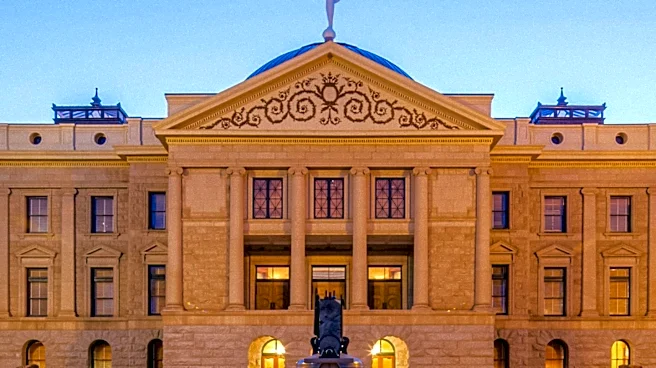
Arizona Governor Katie Hobbs has vetoed a Republican-led bill that aimed to prohibit local governments from enacting guaranteed income programs. This action places Arizona in contrast with other states where Republican lawmakers have successfully banned
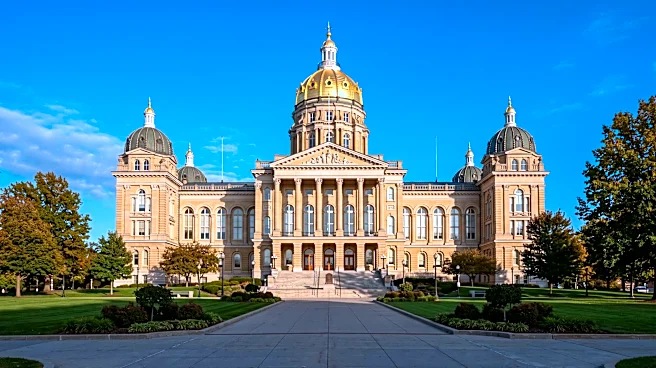
or challenged such initiatives. For instance, Iowa recently passed legislation prohibiting local governments from creating or maintaining guaranteed income programs, signed into law by Governor Kim Reynolds. Similarly, Texas Attorney General Ken Paxton sued Harris County over its guaranteed income program, leading to a freeze by the Texas Supreme Court. In Michigan, House Republicans have demanded an inspection of a taxpayer-funded cash assistance program. Governor Hobbs' veto signals a different approach in Arizona, allowing local jurisdictions the autonomy to explore and implement direct cash payment programs for residents, despite the legal, budgetary, and philosophical concerns raised by GOP lawmakers nationwide.
Why It's Important?
Governor Hobbs' veto is significant because it preserves the ability of Arizona's local governments to experiment with guaranteed income programs, which are increasingly being considered as tools for poverty alleviation. This decision highlights a growing ideological divide across the U.S. regarding the role of government in providing direct financial assistance. While proponents argue that these programs can reduce poverty, improve health outcomes, and stimulate local economies, opponents often raise concerns about work ethic, government dependency, and fiscal responsibility. By vetoing the bill, Governor Hobbs has positioned Arizona as a state that supports local control and potentially innovative approaches to social welfare, contrasting with the trend in some other Republican-led states. This could lead to Arizona becoming a testing ground for various guaranteed income models, providing valuable data on their effectiveness and impact, and potentially influencing future policy debates at both state and national levels.
What's Next?
With Governor Hobbs' veto, local governments in Arizona retain the authority to pursue or continue guaranteed income programs. This could lead to new pilot programs being launched or existing ones being expanded within the state. The decision is likely to be met with continued debate and scrutiny from Republican lawmakers in Arizona, who may seek alternative legislative avenues to restrict such programs in the future. The ongoing national discussion about guaranteed income, fueled by varying state-level responses, will likely continue to evolve. The outcomes of programs in Arizona and other states will be closely watched by policymakers, researchers, and advocacy groups to assess their long-term viability and impact. This divergence in policy approaches across states will also contribute to a broader understanding of the economic and social effects of direct cash transfers.
Beyond the Headlines
The debate over guaranteed income programs touches upon fundamental questions about economic justice, individual responsibility, and the role of the welfare state. Governor Hobbs' veto in Arizona underscores the tension between state-level legislative control and local autonomy in addressing social issues. It also reflects a broader philosophical conflict within American politics regarding how best to support vulnerable populations and stimulate economic well-being. The rise of guaranteed income pilots, often funded by federal pandemic relief or private philanthropy, has brought these discussions to the forefront. The differing approaches taken by states like Arizona, Iowa, and Texas illustrate the diverse political and ideological landscapes that shape social policy. This ongoing policy experimentation and debate will likely inform future national conversations about poverty reduction strategies, the future of work, and the evolving social contract between citizens and their government.