






What's Happening?
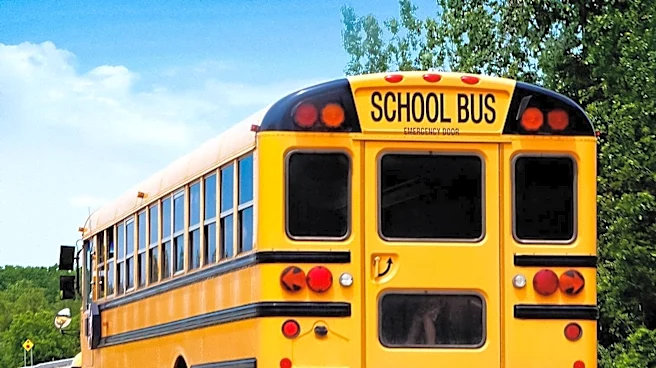
U.S. school districts are encountering significant difficulties in fulfilling federal mandates to provide transportation for vulnerable student populations, including those experiencing homelessness, in foster care, or with individualized education programs
(IEPs) or 504 plans. National research indicates that 69% of caregivers report that reliable transportation leads to calmer children, ready to learn. However, two-thirds of administrators nationally acknowledge that transportation issues impact their obligations under the McKinney-Vento Act for homeless students and foster care requirements. Furthermore, 54% of administrators report failing to provide legally required services. Inconsistent transportation profoundly affects the academic and social-emotional well-being of these students, often leading to increased anxiety and chronic absenteeism. Some districts, like one in Illinois, are implementing alternative transportation solutions, such as vans and cars, scheduled to arrive 20 minutes before the school bell, to ensure students receive breakfast and time to settle before class. This approach aims to mitigate barriers for students who may lack food at home.
Why It's Important?
The inability of U.S. school districts to consistently provide mandated transportation services for vulnerable students has far-reaching implications for educational equity and student well-being. Federal laws like McKinney-Vento and those governing IEPs and 504 plans are designed to ensure that all students, regardless of their circumstances, have equal access to education. When transportation is unreliable, it creates a significant barrier to learning, contributing to chronic absenteeism and negatively impacting academic performance and social-emotional development. This issue also places districts in a precarious position regarding compliance, potentially leading to legal challenges and a loss of trust from families. The financial implications are also notable, as many districts rely on attendance-based funding, which is directly affected by inconsistent transportation. Investing in reliable, consistent transportation, even if not the cheapest option, is crucial for fostering a stable learning environment and ensuring that educational investments yield positive outcomes for all students.
What's Next?
School districts will likely continue to seek and implement more effective transportation strategies to meet federal mandates and support vulnerable students. This may involve re-evaluating existing transportation contracts and exploring partnerships with providers that offer consistent, high-quality services, including background-checked drivers and GPS tracking. There will likely be an increased focus on early identification of students experiencing homelessness or in foster care to ensure transportation services are triggered promptly. Districts may also need to advocate for additional funding or reallocate existing resources to prioritize transportation as an integral part of the school day, rather than a separate logistical challenge. The success of these efforts will depend on a shift in perspective, treating the ride to school as a critical component of a student's educational experience, which can lead to improved attendance and academic outcomes.
Beyond the Headlines
The challenges in student transportation highlight deeper systemic issues within the U.S. education system, particularly concerning the support infrastructure for vulnerable populations. The problem extends beyond mere logistics, touching upon the ethical responsibility of society to provide equitable opportunities for all children. Inconsistent transportation can exacerbate existing inequalities, creating a cycle of disadvantage for students already facing significant personal hurdles. The emphasis on consistent drivers and early arrival times, as seen in the Illinois district, underscores the psychological and emotional impact of predictability and care on a child's readiness to learn. This situation also brings to light the often-overlooked role of non-classroom personnel, such as bus drivers, in a student's daily educational experience. Addressing these transportation gaps requires a holistic approach that recognizes the interconnectedness of a student's home life, emotional well-being, and academic success.