


What's Happening?
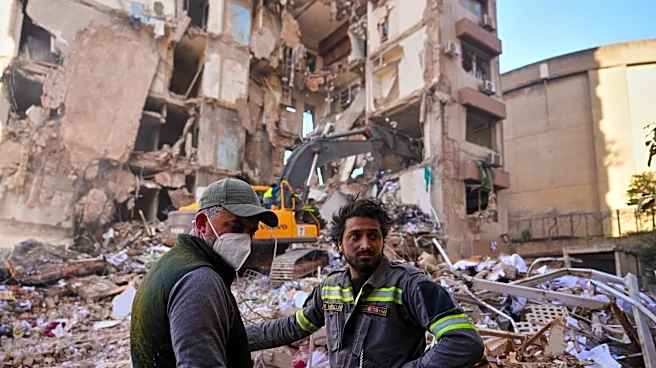
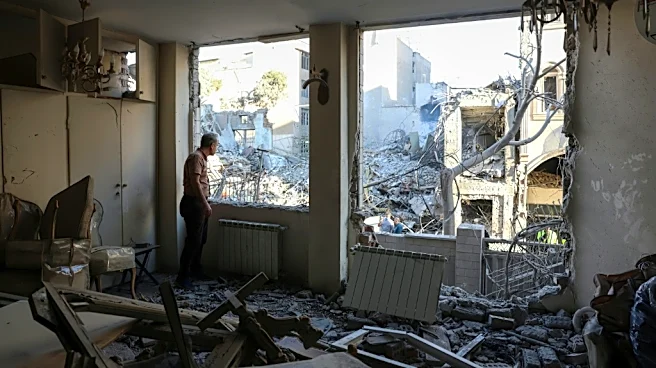
Photographer Rania Matar has focused her lens on young women in Lebanon, capturing their resilience and struggles in the aftermath of the 2020 Beirut port explosion and ongoing unrest. Her work, featured in the book 'Where Do I Go?', documents the lives
of these women as they navigate the challenges of a country in turmoil. Matar's photography does not center on destruction but rather on the subtle, personal stories of these women, who are actively shaping their own narratives. The project highlights the intersection of personal and collective experiences, as these women face difficult choices about their futures in a country marked by economic and political instability.
Why It's Important?
Matar's work sheds light on the often-overlooked personal stories of resilience and agency among young women in Lebanon. By focusing on their experiences, the project challenges the dominant narratives of destruction and despair, offering a more nuanced view of life in a conflict-ridden region. This perspective is crucial for understanding the broader social and cultural dynamics at play in Lebanon, as well as the potential for change driven by the younger generation. The project also underscores the importance of art and storytelling in documenting and preserving the human experience amid adversity.
What's Next?
As Lebanon continues to face economic and political challenges, the stories of these young women may inspire broader discussions about the country's future and the role of its youth in shaping it. Matar's work could also influence other artists and photographers to explore similar themes, contributing to a richer understanding of the region's complexities. Additionally, the international community may take greater interest in supporting initiatives that empower young people in Lebanon and other conflict-affected areas.
Beyond the Headlines
Matar's project raises important questions about the role of women in post-conflict societies and the ways in which they can contribute to rebuilding and healing. It also highlights the power of collaboration and trust in artistic endeavors, as the women in the photographs actively participate in shaping their own representations. This approach challenges traditional power dynamics in photography and offers a model for more inclusive and participatory art practices.