


What's Happening?
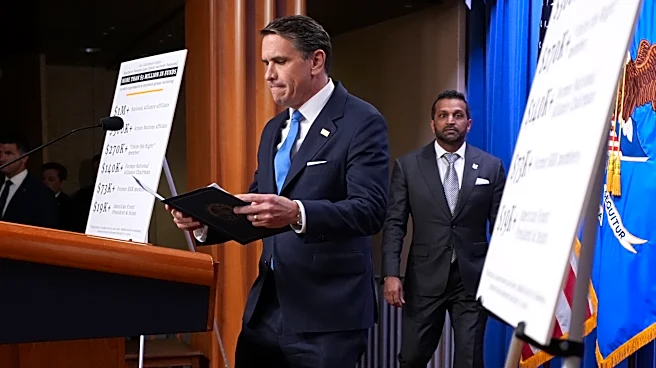
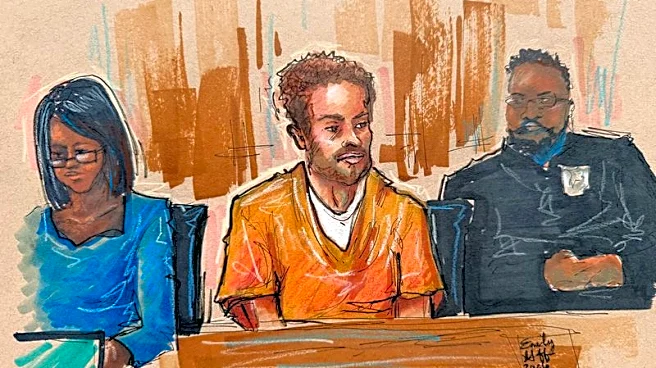
The legal team representing Cole Tomas Allen, accused of opening fire at the White House Correspondents’ Dinner, has requested the disqualification of two top DOJ officials from his case. Allen's lawyers argue that U.S. Attorney Jeanine Pirro and Acting
Attorney General Todd Blanche, who were present at the event, have a conflict of interest due to their potential roles as witnesses and targets. The motion cites concerns about impartiality and the officials' public comments on the case. Allen faces charges including attempting to assassinate President Trump. The request for disqualification is based on the officials' attendance at the dinner and their subsequent involvement in the case, which Allen's lawyers claim could influence the prosecution's decisions.
Why It's Important?
This legal maneuver highlights the complexities of ensuring impartiality in high-profile cases involving government officials. The presence of Pirro and Blanche at the event raises questions about their ability to objectively oversee the prosecution. If granted, the disqualification could impact the case's proceedings and the DOJ's approach to prosecuting political violence. The situation underscores the importance of maintaining judicial integrity and avoiding conflicts of interest in legal processes. It also reflects broader concerns about the influence of personal relationships and experiences on legal outcomes, particularly in cases involving national security and political figures.
What's Next?
The court will evaluate the motion and decide whether disqualification is warranted. Prosecutors will have the opportunity to respond to the request, and a judge will determine the necessity of recusal. Allen's arraignment is scheduled for Monday, where further developments in the case may unfold. The decision could affect the DOJ's strategy and the charges Allen faces, potentially influencing plea deals and sentencing recommendations. The outcome will be closely watched as it may set a precedent for handling similar cases involving DOJ officials as witnesses or potential victims.