





What's Happening?
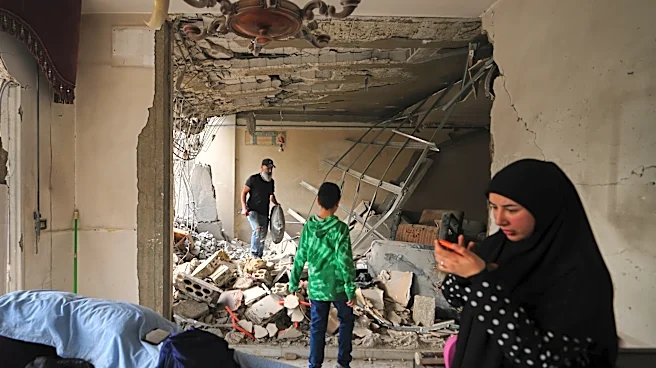
U.S.-Iran peace negotiations have hit a stalemate as Iran's foreign minister seeks support from Russia. President Trump has indicated that Iran can reach out to negotiate an end to the ongoing conflict, which has affected energy supplies from the region.
Iran's latest proposal suggests setting aside nuclear discussions until the war ends and shipping disputes are resolved, a stance unlikely to satisfy the U.S. Secretary of State Marco Rubio has expressed skepticism about Iran's intentions, suggesting they are attempting to delay negotiations. Despite the lack of face-to-face diplomacy, mediation efforts continue, with Iran's foreign minister visiting Russia to garner support.
Why It's Important?
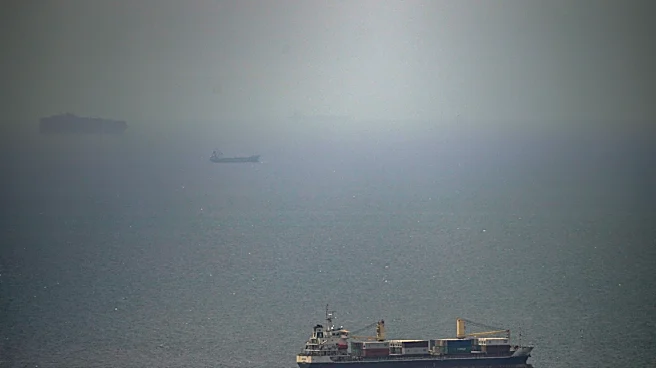
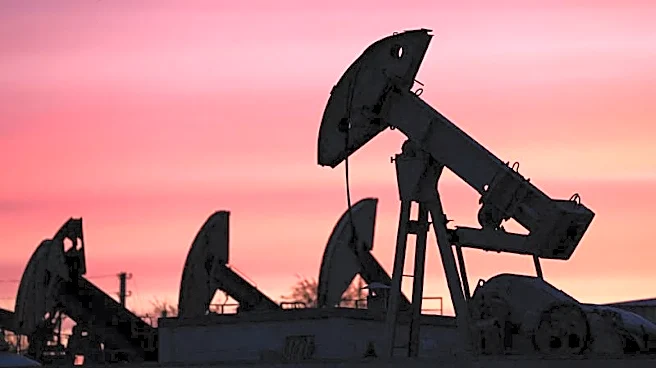
The stalled negotiations highlight the complexities of U.S.-Iran relations and the broader geopolitical implications. The conflict has significant economic consequences, particularly in the oil markets, as tensions in the Strait of Hormuz affect global energy supplies. The situation underscores the challenges of diplomatic engagement with Iran, especially concerning its nuclear ambitions. The involvement of Russia as a mediator adds another layer of complexity, reflecting the shifting alliances and power dynamics in the region. The outcome of these negotiations could have far-reaching implications for regional stability and international relations.
What's Next?
The next steps in the peace process remain uncertain, with potential diplomatic engagements involving Russia and other regional players. The U.S. may need to reassess its strategy and consider alternative approaches to address the conflict and its underlying issues. The situation could also lead to increased diplomatic activity, with potential meetings between President Trump and Russian leaders to discuss the broader implications of the conflict. The ongoing tensions may continue to impact global oil prices and economic stability, prompting further international attention and involvement.