



What's Happening?
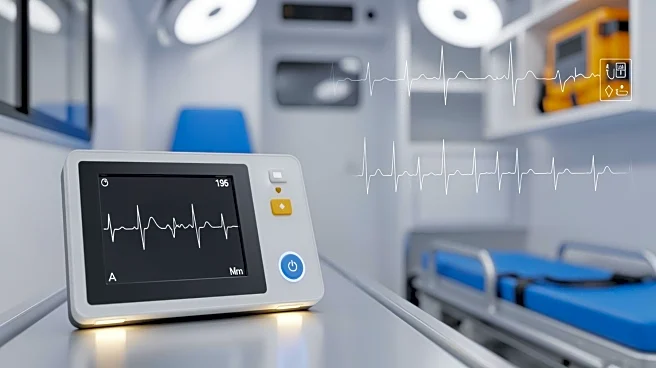
Kern County has introduced new portable electrocardiograms (ECGs) for emergency medical technicians (EMTs) to improve the diagnosis of heart attacks in the field. These devices, which are artificial intelligence-enabled, allow EMTs to perform a 12-lead
ECG with only five physical leads, providing a more efficient and accurate diagnosis. The initiative, led by Kern County Public Health, aims to reduce the time it takes for heart attack patients to receive critical care. The devices were implemented on February 1, 2026, and have already been used successfully in emergency situations, allowing for quicker hospital preparation and treatment. The county purchased 100 units at $1,800 each, distributing them to Hall Ambulance and local fire agencies. This move is part of a broader effort to enhance emergency medical services and improve patient outcomes.
Why It's Important?
The introduction of portable ECGs for EMTs in Kern County represents a significant advancement in emergency medical response. By enabling EMTs to diagnose heart attacks on-site, the time to treatment is significantly reduced, which is crucial for patient survival and recovery. This technology allows for immediate identification and direct transport to facilities equipped to handle cardiac emergencies, bypassing potential delays in emergency rooms. The initiative highlights the importance of integrating advanced technology into public health systems to improve service delivery and patient care. It also sets a precedent for other counties and states to follow, potentially transforming emergency medical services nationwide.
What's Next?
As Kern County continues to utilize these portable ECGs, other regions may observe the outcomes and consider similar implementations. The success of this program could lead to broader adoption across California and potentially the United States. Additionally, ongoing evaluation of the program's impact on patient outcomes and healthcare costs will be essential. Stakeholders, including public health officials and emergency service providers, will likely monitor the program closely to assess its effectiveness and scalability. Further investment in training and technology may be required to maximize the benefits of this initiative.