




What's Happening?
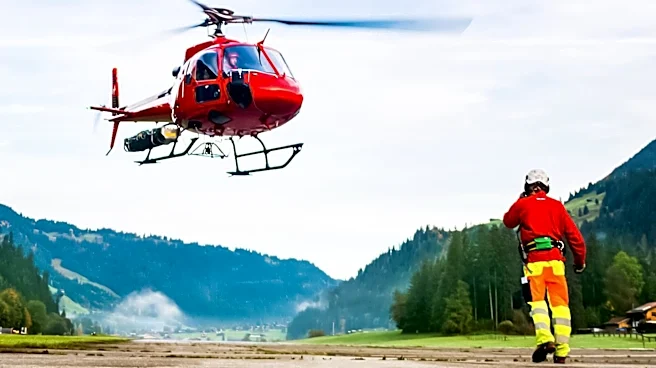
Approximately 50 first responders in Waterbury, Vermont, participated in a medical helicopter ground safety and landing zone training session at Farr’s Field. The training, hosted by Waterbury Ambulance Service on September 10, included personnel from
UVM HealthNet, its aircraft team based at Burlington International Airport, the Vermont State Police Berlin barracks, VSP Search and Rescue, Waterbury Fire Department, and the Waterbury Backcountry Rescue Team. The event focused on preparing responders for safe and efficient medical helicopter operations during emergencies. Waterbury Ambulance Service Chief Zach Rounds stated that the training was facilitated by a donation from UVM HealthNet, which provided a landing zone kit consisting of high-powered strobe lights easily identifiable from the air. Participants engaged in both classroom instruction and practical exercises, covering topics such as ground resources, critical care teams, when to call a medical helicopter, helicopter ground safety, and critical care team operation.
Why It's Important?
This training is crucial for enhancing the emergency response capabilities of Waterbury and surrounding communities. By familiarizing a wide range of first responders with medical helicopter operations, the program improves coordination and efficiency during critical incidents where rapid patient transport is necessary. The ability to safely and effectively manage helicopter landing zones can significantly reduce response times and improve patient outcomes, particularly in rural or difficult-to-access areas. The involvement of multiple agencies, including local fire, ambulance, and state police, fosters inter-agency collaboration and a unified approach to emergency medical services. The donation of the landing zone kit further underscores the commitment to equipping responders with the necessary tools to perform their duties safely and effectively, ultimately benefiting public safety and health in the region.
What's Next?
The successful completion of this training session suggests a continued focus on inter-agency cooperation and advanced emergency preparedness in Waterbury. Future initiatives may include additional specialized training sessions, integration of new technologies, and regular drills to maintain proficiency among first responders. The experience gained from this event will likely inform updates to local emergency protocols and procedures, ensuring that the community remains well-prepared for various medical emergencies requiring air transport. Continued collaboration between local emergency services and UVM HealthNet could lead to further enhancements in medical response capabilities, potentially serving as a model for other communities seeking to improve their emergency medical services infrastructure.
Beyond the Headlines
Beyond the immediate operational benefits, this training highlights a broader commitment to community resilience and preparedness. In an era where natural disasters and complex emergencies are increasingly prevalent, investing in robust emergency response systems is paramount. The integration of medical helicopter services into local emergency plans represents a sophisticated approach to healthcare delivery, ensuring that advanced medical care can reach patients quickly, regardless of geographical challenges. This proactive stance not only saves lives but also instills public confidence in the ability of local authorities to manage crises effectively. The collaborative spirit demonstrated by the participating agencies also reinforces the importance of a networked approach to public safety, where resources and expertise are shared to achieve common goals.