






What's Happening?
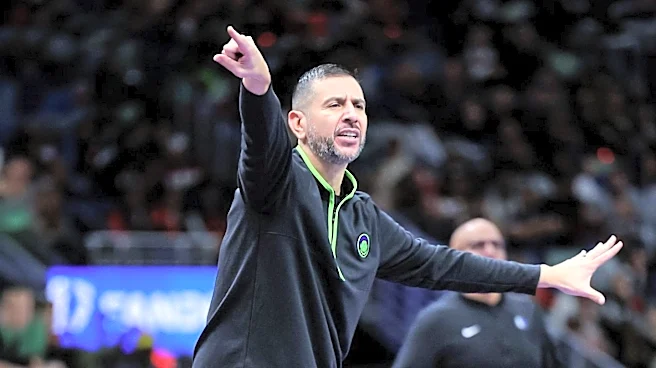
Boston Celtics head coach Joe Mazzulla has announced he is cutting ties with the Christian organization Life Surge following allegations of predatory financial practices. Mazzulla, who previously spoke at a Life Surge event in Portland, Maine, and was
scheduled for another in Hartford, Connecticut, stated he would no longer attend the upcoming event and requested his image be removed from the organization's website. This decision comes after a co-investigation by the podcast 'Pablo Torre Finds Out' and Mother Jones magazine brought to light claims that Life Surge used celebrity endorsements to draw attendees to introductory events. These events, initially inexpensive, allegedly funneled participants into costly financial education classes, ranging from $10,000 to $40,000. Attendees were reportedly encouraged to take out high-interest lines of credit or withdraw from retirement accounts to fund these classes, often leading to severe financial distress. Mazzulla joins Tim Tebow, another prominent sports figure, in distancing himself from Life Surge as investigations into these allegations continue.
Why It's Important?
This situation highlights the significant risks associated with celebrity endorsements, particularly when those endorsements are tied to financial or faith-based organizations. For sports figures like Joe Mazzulla and Tim Tebow, their public association with such organizations can inadvertently lend credibility, potentially influencing their fan base and the broader public to engage with questionable schemes. The allegations against Life Surge underscore the vulnerability of individuals seeking financial guidance or spiritual enrichment, who may be susceptible to high-pressure sales tactics and misleading promises. The involvement of well-known personalities can make it difficult for the public to discern legitimate opportunities from predatory ones, leading to substantial financial losses for those who participate. This event also raises questions about the due diligence celebrities and their teams conduct before aligning with organizations, and the ethical responsibilities that come with their public platforms.
What's Next?
As Joe Mazzulla and Tim Tebow distance themselves from Life Surge, it is anticipated that other celebrities previously associated with the organization may follow suit. The ongoing investigations by 'Pablo Torre Finds Out' and Mother Jones are likely to continue uncovering more details about Life Surge's operations and the extent of the alleged financial misconduct. This could lead to increased scrutiny from regulatory bodies and potentially legal action from individuals who claim to have been wronged. Life Surge will likely face mounting pressure to address the allegations publicly and transparently. For Mazzulla, his focus will be on reaffirming his commitment to using his platform for positive impact while navigating the fallout from this association. The incident may also prompt a broader conversation within the sports and entertainment industries about the ethical considerations of celebrity endorsements, particularly for organizations offering financial or personal development services.
Beyond the Headlines
The Life Surge controversy delves into the complex intersection of faith, finance, and celebrity influence. The organization's alleged strategy of leveraging Christian mission and well-known figures to promote expensive financial education classes raises ethical concerns about exploiting religious conviction for monetary gain. This situation highlights a broader societal issue where individuals, often seeking self-improvement or spiritual growth, can become targets for schemes that promise quick wealth or enlightenment. The use of variable interest rate lines of credit, which allegedly escalated to unmanageable levels, points to a predatory lending aspect that can trap vulnerable individuals in cycles of debt. This incident serves as a cautionary tale about the importance of critical evaluation, even when a venture is endorsed by trusted public figures or framed within a spiritual context. It also underscores the need for greater transparency and accountability from organizations that blend faith-based messaging with financial offerings.