




What's Happening?
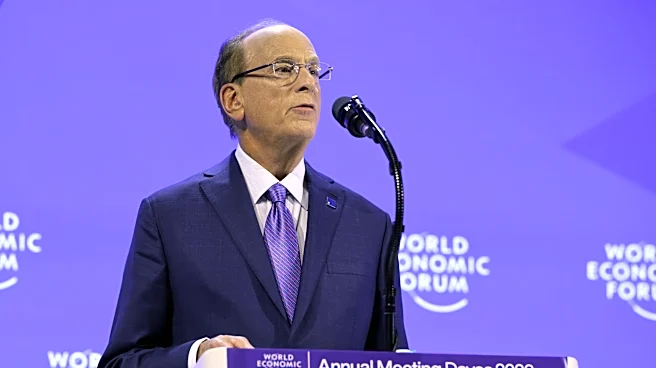
The World Economic Forum (WEF) is actively seeking an Associate for Nature and Climate – Multilateral Affairs, based in Geneva. This role is designed for an early career professional and focuses on public-private cooperation within the international organization.
The WEF's mission is to bring together leaders from business, government, and other societal sectors to foster dialogue and collaboration on global issues. The Associate will contribute to advancing initiatives related to nature and climate within a multilateral framework. This position underscores the WEF's commitment to addressing environmental challenges through collaborative efforts involving diverse stakeholders from around the world.
Why It's Important?
This job opening highlights the increasing global emphasis on multilateral approaches to tackle pressing environmental issues, particularly climate change and nature conservation. For the U.S., participation in and support for such multilateral initiatives are crucial for achieving its own climate goals and influencing global environmental policy. The WEF's role in convening leaders from various sectors means that this position will be at the nexus of policy, business, and environmental action. The Associate's work could indirectly impact U.S. businesses and industries by shaping international standards, regulations, and investment trends related to sustainability. It also reflects a broader trend of integrating environmental concerns into economic and political agendas, which has significant implications for U.S. economic stakeholders and public policy.
What's Next?
The World Economic Forum will continue its efforts to facilitate dialogue and cooperation among global leaders on nature and climate issues. The individual hired for this Associate position will contribute to these ongoing initiatives, potentially influencing the agenda and outcomes of future WEF meetings and projects. As the global community increasingly recognizes the urgency of climate action, the WEF's role in fostering public-private partnerships will likely expand. This could lead to new international agreements, investment opportunities in green technologies, and collaborative projects that address environmental degradation. The U.S., as a major economic and political power, will remain a key player in these multilateral discussions, with the WEF serving as an important platform for engagement.
Beyond the Headlines
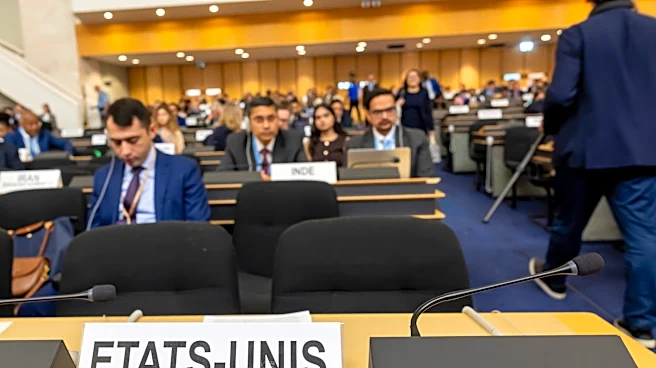
The creation of such a role within the World Economic Forum signifies a deeper recognition of the interconnectedness between environmental health, economic stability, and international security. It suggests a move beyond purely governmental negotiations towards a more inclusive model of global governance that incorporates business and civil society. This shift has profound implications for how environmental policies are formulated and implemented, potentially leading to more innovative and effective solutions. The emphasis on 'multilateral affairs' also points to the challenges of achieving consensus among diverse national interests, highlighting the need for skilled professionals who can navigate complex diplomatic landscapes to forge common ground on critical issues like climate change and biodiversity loss.