


What's Happening?
Yonkers residents are expressing renewed safety concerns regarding the intersection of Bronx River Road and Midland Avenue following a serious motor vehicle crash on October 27, 2026. The incident involved a car and a motorized scooter, with the scooter operator
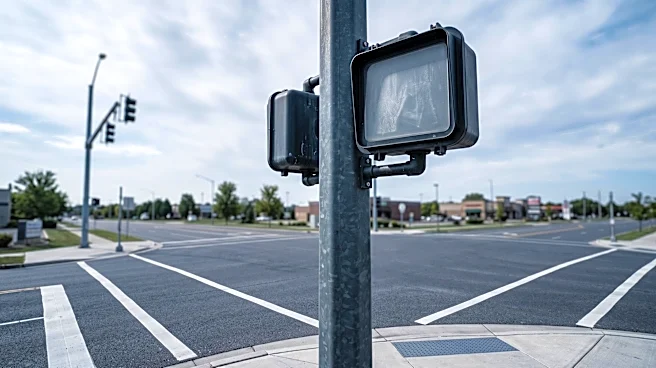
sustaining serious but non-life-threatening injuries. According to Yonkers police, the incident is being investigated as a traffic accident with no criminality involved. Residents have highlighted ongoing issues at the intersection, including speeding vehicles, malfunctioning pedestrian signals, and light pole problems. News 12 observed several non-functioning lights and pedestrian signals at the location. In response to inquiries, the City of Yonkers stated that two pedestrian signals were replaced on Thursday afternoon by the Department of Public Works Street Lighting. City officials also noted that the intersection features an exclusive pedestrian crossing phase and a red-light camera, and their Traffic Engineering Department has not received complaints about the intersection. However, residents like Ivy Wilensky and Robert Capobianco believe more measures are needed to address speeding and ensure safety.
Why It's Important?
This incident underscores persistent urban safety challenges in Yonkers, particularly concerning pedestrian and scooter operator vulnerability at busy intersections. The community's call for additional safety measures, despite the city's assertion of no complaints and existing safety features, highlights a potential disconnect between official assessments and lived experiences. The crash, occurring approximately a year after another pedestrian was struck at the same location, suggests a pattern of incidents that could erode public trust in infrastructure safety. For local government, it emphasizes the need for proactive engagement with residents and continuous evaluation of traffic management strategies beyond standard protocols. The economic impact could include increased healthcare costs from accidents and potential decreases in property values if safety concerns persist, affecting local businesses and residents. Ensuring pedestrian and traffic safety is crucial for maintaining urban quality of life and supporting sustainable community development.
What's Next?
As the investigation into the October 27 crash continues, residents anticipate further attention to the intersection of Bronx River Road and Midland Avenue. The City of Yonkers may face increased pressure to conduct a comprehensive review of the intersection's safety, potentially leading to additional traffic calming measures, enhanced signal maintenance, or increased police presence to enforce speed limits. Community groups and residents are likely to continue advocating for improvements, possibly through local council meetings or public petitions. The outcome of the police investigation, particularly if it identifies specific contributing factors beyond driver error, could also influence future policy decisions. The city's response to these ongoing concerns will be critical in demonstrating its commitment to public safety and addressing the community's anxieties regarding this high-traffic area.
Beyond the Headlines
The recurring safety issues at this Yonkers intersection reflect a broader urban challenge in balancing traffic flow with pedestrian and alternative transportation safety. The discrepancy between the city's official stance of 'no complaints' and residents' expressed concerns points to potential gaps in how public feedback is collected, processed, or prioritized. This situation could trigger a re-evaluation of how traffic engineering departments assess intersection safety, potentially leading to more community-inclusive methods of identifying hazardous areas. Furthermore, the increasing use of motorized scooters and other micro-mobility devices in urban environments introduces new complexities to traffic planning, requiring updated infrastructure and regulations to ensure the safety of all road users. The incident also highlights the ethical responsibility of urban planners and city officials to prioritize public safety over mere traffic efficiency, especially in densely populated areas.