




What's Happening?
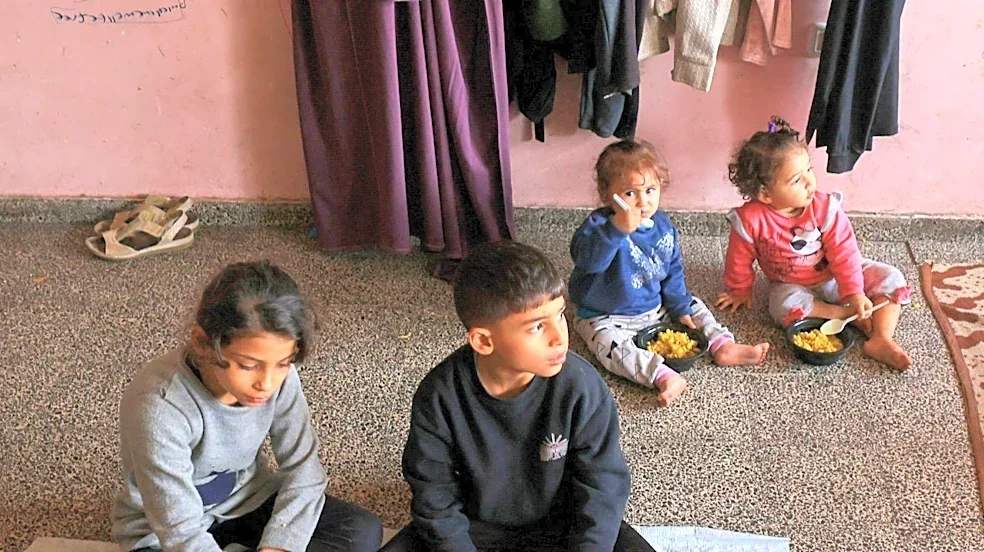
The United Nations' World Food Programme (WFP) reports that 1.4 million people in Gaza are experiencing acute food shortages, despite a U.S.-brokered Hamas-Israel ceasefire. Carl Skau, acting executive director of the WFP, stated that life in Gaza remains
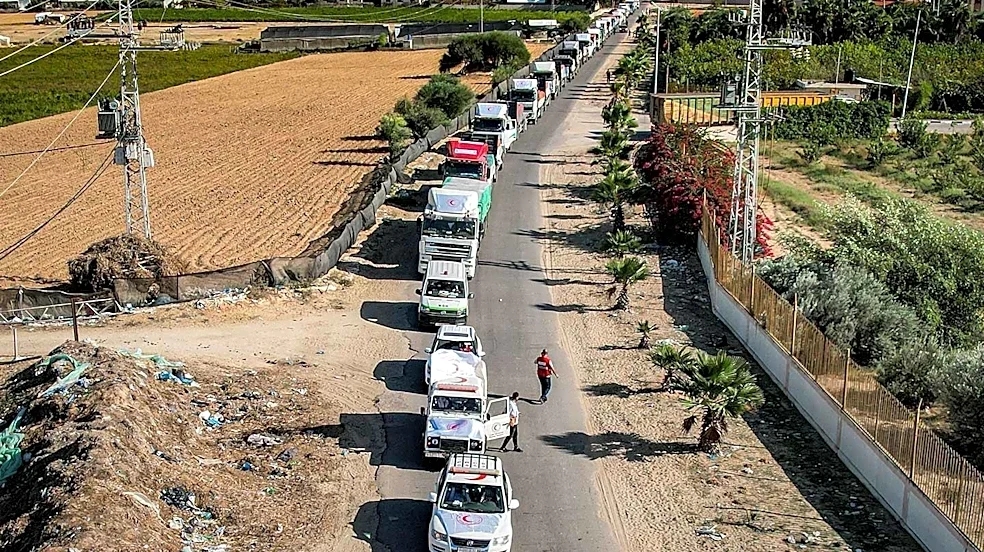
"absolutely brutal" with massive destruction, lack of basic services, and ongoing insecurity. Skau, on his eighth trip to Gaza since the conflict began, noted that while famine has been pushed back due to WFP efforts reaching almost every person, this progress is fragile. The WFP is now being forced to cut assistance to nearly half a million people in the coming weeks, not because needs have decreased or food cannot be brought in, but due to a significant funding gap. Commercial shipments into Gaza have also faced disruptions, with disagreements over taxation for commercial goods leading to a five-day halt in entries, further exacerbating the food crisis.
Why It's Important?
The escalating food insecurity in Gaza, highlighted by the WFP's funding shortfalls, underscores a critical humanitarian crisis with significant implications. The forced cutbacks in aid to 500,000 people will intensify suffering, particularly as winter approaches, and could reverse the fragile gains made against famine. This situation also reflects broader challenges in international aid funding and the complexities of delivering humanitarian assistance in conflict zones, even with ceasefires in place. The disruption of commercial goods, due to issues like taxation disagreements, impedes the natural flow of essential supplies and prevents the market from stabilizing food prices and diversifying available produce. The reliance on aid rather than a functioning commercial system prolongs dependency and hinders the development of a sustainable domestic food system, impacting the long-term recovery and stability of the region.
What's Next?
The immediate future for Gaza involves a critical need for increased donor funding to prevent further cuts in humanitarian assistance, especially with the onset of winter. The WFP emphasizes the necessity for the international community to step up and sustain emergency support while also pushing for progress on the political tracks to find a lasting solution. Beyond immediate aid, there is a call for early recovery efforts, including proper housing and shelter, and the restoration of essential services like water and sanitation. The WFP also advocates for the expansion of commercial goods entry, particularly fresh foods and vegetables, to diversify diets and reduce market prices. Resolving disagreements over taxation for commercial shipments is crucial to facilitate this. The goal is to transition from direct food distribution to cash assistance, allowing people more dignity and choice, and fostering the development of a domestic food system.
Beyond the Headlines
The ongoing crisis in Gaza, marked by severe food insecurity and aid cutbacks, reveals deeper systemic issues beyond immediate humanitarian needs. The fragility of the situation, even a year into a ceasefire, highlights the profound challenges of post-conflict recovery and the limitations of aid without comprehensive political solutions. The emphasis on commercial goods and a domestic food system points to a long-term vision of self-sufficiency and dignity, contrasting with the current reliance on external aid. The struggle to secure funding for essential services and food aid also raises ethical questions about global responsibility and the prioritization of humanitarian crises. The lack of basic services, massive destruction, and persistent insecurity contribute to a cycle of vulnerability, making it difficult for residents to rebuild their lives and fostering a sense of hopelessness, as noted by the WFP director.