



What's Happening?
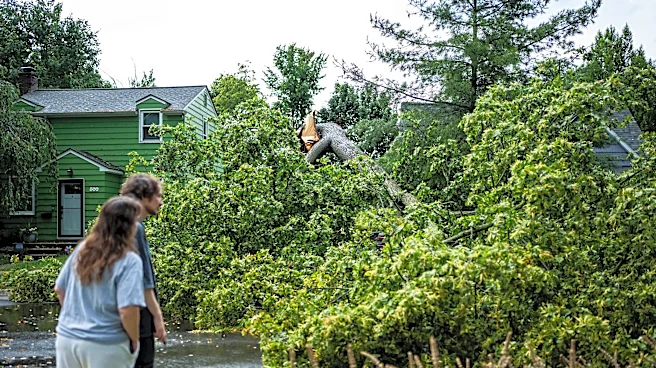
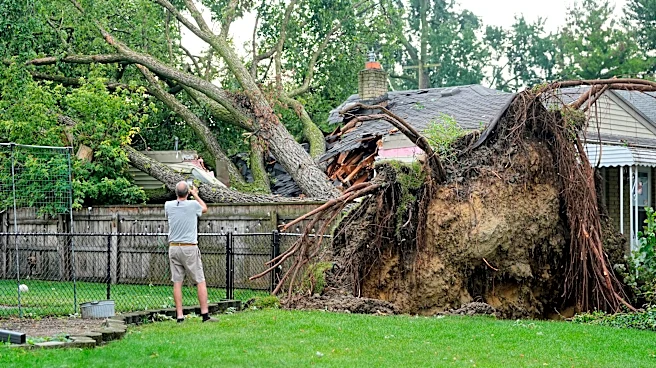
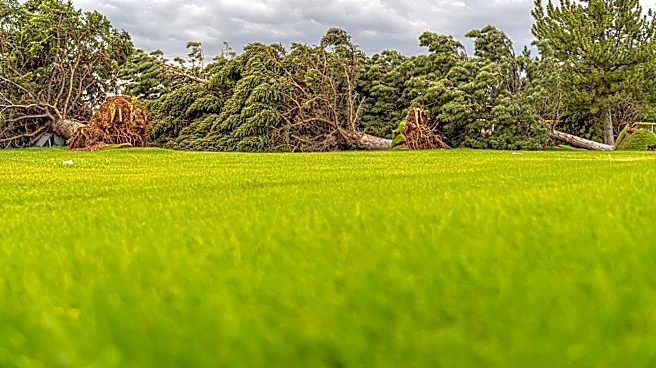
A neighborhood in Clarkston, Michigan, is undergoing extensive cleanup efforts following powerful storms that brought heavy rain, damaging winds, and widespread destruction. Residents reported numerous fallen trees and downed power lines, leading to significant
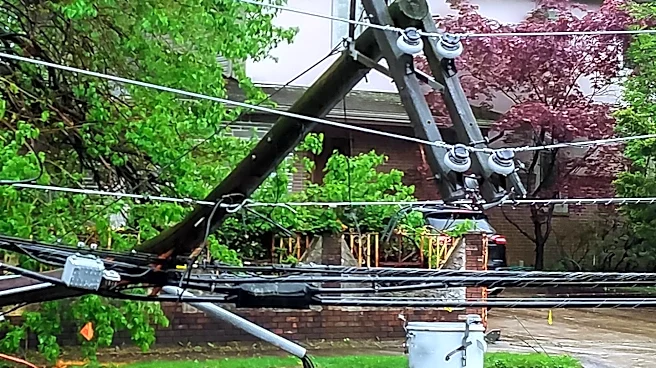
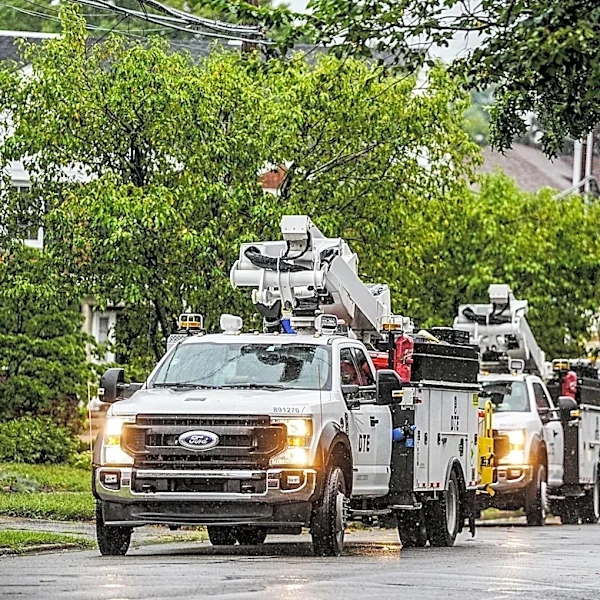
power outages across the area. Mark Godar, a local resident, described the storm as one of the worst he has experienced in two decades, citing its intensity and strong winds. Tammy Morgan, another resident, recounted driving through whipping winds and running water, with sirens blaring. Rattalee Lake Road was particularly hard-hit, with many trees either completely down or ripped in half, some of which brought down power lines. DTE Energy has marked hazardous areas with "Danger — Keep Away" tape.
Why It's Important?
The severe weather event in Clarkston highlights the vulnerability of local infrastructure to extreme weather conditions, a growing concern across the U.S. The widespread power outages disrupt daily life, impacting homes and businesses, and underscore the critical need for resilient power grids. The damage to trees and power lines also poses safety risks to residents and emergency responders. For utility companies like DTE Energy, such events necessitate rapid response and significant resource allocation for restoration efforts, often stretching their capabilities. The incident also brings to light the financial burden on homeowners for repairs and the broader economic impact on communities due to business interruptions and property damage. The frequency and intensity of these storms raise questions about long-term infrastructure planning and climate change adaptation strategies.
What's Next?
Cleanup operations are ongoing in the Clarkston neighborhood, with residents and utility crews working to clear debris and restore services. DTE Energy is expected to provide a timeline for power restoration as thousands remain without electricity. Local electric service providers, such as Don's Electric, are experiencing a surge in calls for assistance, particularly for getting generators back online. Community members will likely continue to assess the full extent of the damage and coordinate with insurance companies for repairs. The incident may also prompt local authorities and utility companies to review and potentially enhance their storm preparedness and response protocols, including tree trimming programs and infrastructure hardening measures, to mitigate future impacts.
Beyond the Headlines
Beyond the immediate cleanup, this event in Clarkston reflects a broader national challenge concerning aging infrastructure and the increasing severity of weather patterns. The reliance on overhead power lines makes communities susceptible to widespread outages from fallen trees, prompting discussions about undergrounding utilities, though this is a costly and complex undertaking. The community's experience also underscores the importance of emergency preparedness at the individual and municipal levels, including having backup power sources and communication plans. Furthermore, the incident contributes to the ongoing national dialogue about climate change and its localized effects, pushing for greater investment in resilient infrastructure and sustainable urban planning to protect communities from future environmental threats.