



What's Happening?
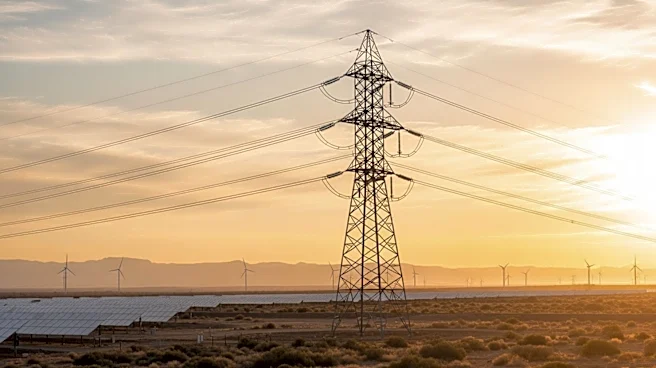
The Southwest Power Pool (SPP) has officially expanded its reach, connecting the western and eastern electric grids to enhance access to clean energy for utilities across the West and Great Plains, including states like Colorado, Wyoming, Nebraska, Utah,
and Arizona. This expansion is significant as it allows for increased grid reliability and the opportunity for electric providers to purchase more affordable wholesale energy. The Sierra Club, a prominent environmental organization, supports this expansion due to its potential to create more efficient and cost-effective energy markets that can better utilize renewable resources such as wind and solar. Jessi Eidbo, a Policy Advisor at Sierra Club, emphasized the importance of this development, noting that it could lead to greater resilience and lower consumer electricity costs. The expansion includes major utilities like Colorado Springs Utilities (CSU), which is currently under scrutiny for its plans to extend the life of a coal unit, potentially threatening Colorado's climate goals.
Why It's Important?
The expansion of the SPP is a critical step towards enhancing the integration of renewable energy sources into the U.S. power grid. By connecting the western and eastern grids, the initiative aims to improve grid reliability and reduce energy costs for consumers. This move is particularly important for states in the West and Great Plains, where renewable energy resources are abundant. The Sierra Club highlights the potential for this expansion to drive down electricity costs and increase the use of clean energy, aligning with broader climate goals. However, the success of this initiative depends on utilities and regulators seizing the opportunity to transition away from fossil fuels. The expansion could serve as a model for other regions looking to improve energy efficiency and sustainability.
What's Next?
The next steps involve utilities and regulators actively participating in the transition to cleaner energy sources. Public interest groups, such as the Sierra Club, are likely to continue advocating for the full utilization of the expanded grid's capabilities to ensure that climate goals are met. Utilities like Colorado Springs Utilities will face pressure to align their operations with these goals, potentially leading to policy changes and increased investment in renewable energy infrastructure. The expansion may also prompt further discussions and actions at the legislative level to support the transition to a more sustainable energy system.