
What's Happening?
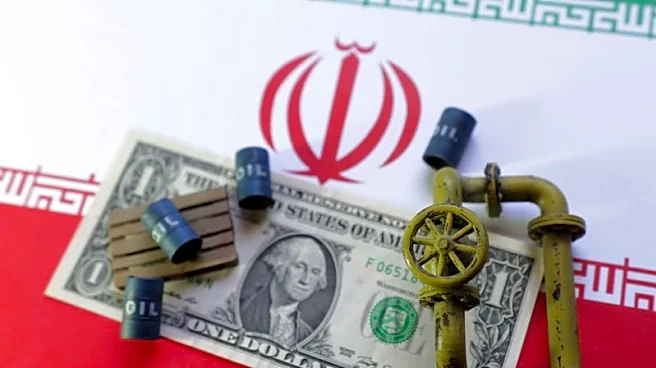
Oil prices have increased as traders react to geopolitical tensions in the Middle East and policy uncertainties from Washington. WTI crude is trading at $61.10 per barrel, while Brent crude is at $65.41.
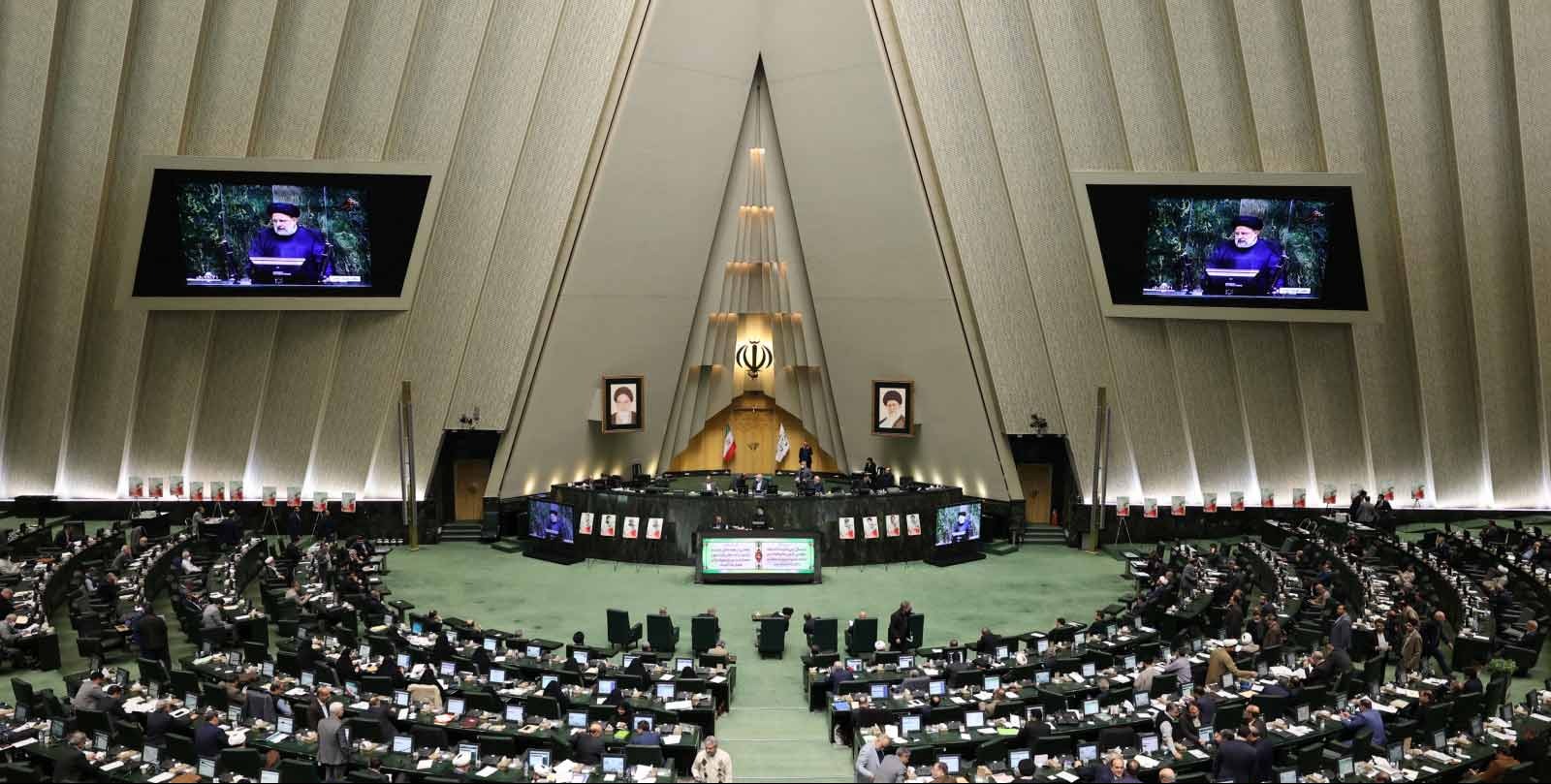
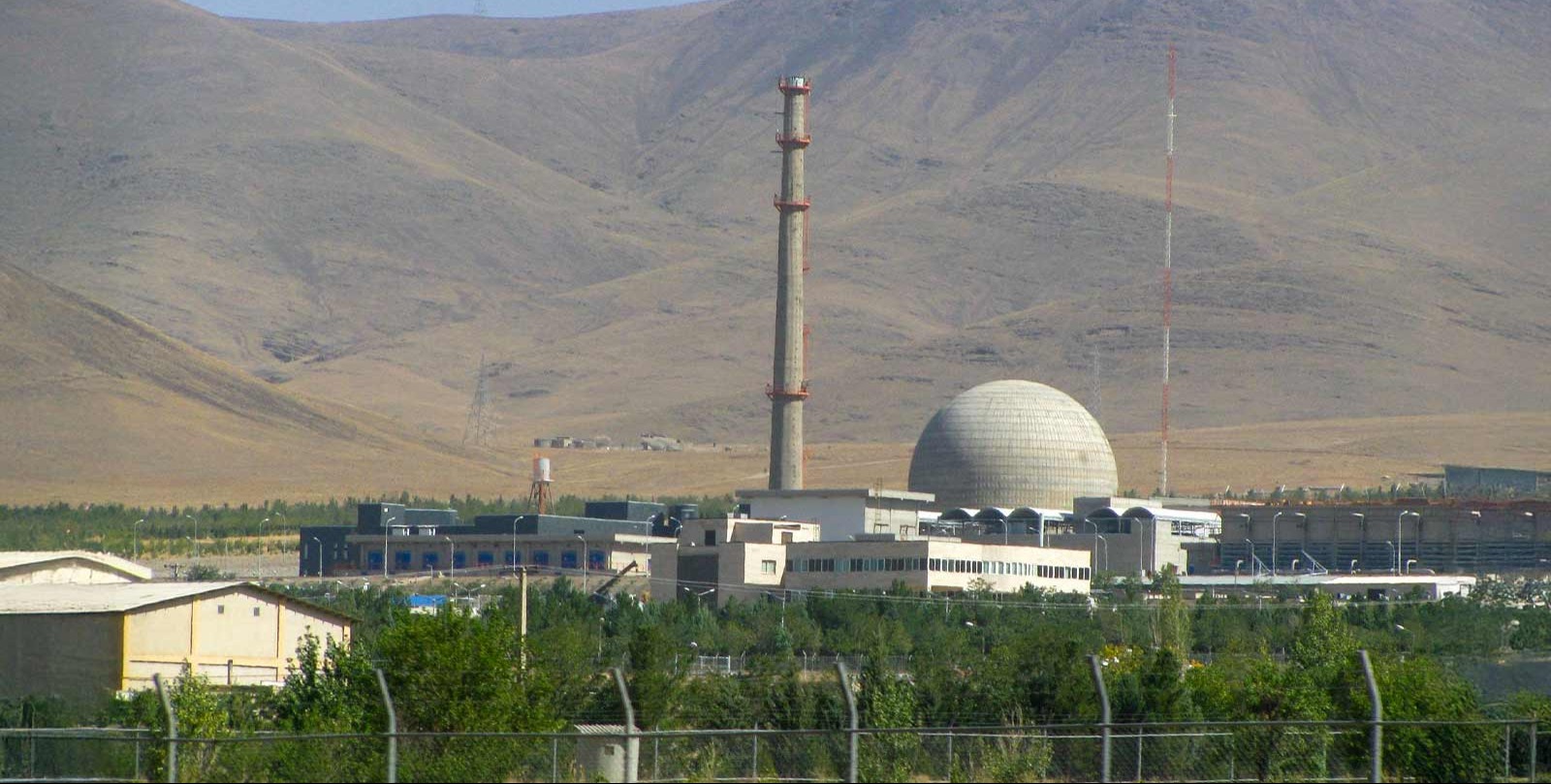
The market is responding to a combination of risks, including protests in Iran and President Trump's renewed tariff discussions. These factors contribute to a risk premium in oil prices, despite no immediate supply disruptions. The situation reflects the market's sensitivity to geopolitical and policy signals, with traders adjusting expectations based on potential impacts on oil demand and currency movements.
Why It's Important?
The rise in oil prices highlights the interconnectedness of geopolitical events and economic policies on global markets. The uncertainty surrounding U.S. tariffs and Iranian protests adds layers of risk that can affect oil demand and trade dynamics. This situation underscores the volatility of the oil market, where prices can be influenced by a range of factors beyond direct supply disruptions. The potential for increased costs and slower trade due to tariffs could have broader economic implications, affecting industries reliant on stable oil prices and international trade.
What's Next?
Market participants will be closely watching for further developments in U.S. policy and the situation in Iran. The persistence of these risks could lead to a broader repricing of oil, with potential impacts on global economic stability. Stakeholders, including governments and businesses, will need to navigate these uncertainties, balancing geopolitical risks with economic strategies. The oil market's response to these developments will be crucial in determining future price trends and economic outcomes.