






What's Happening?
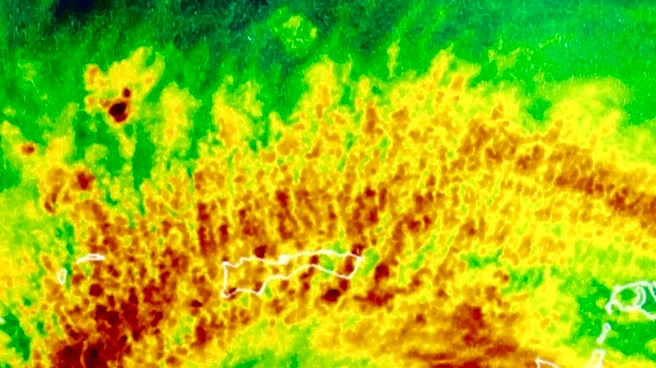
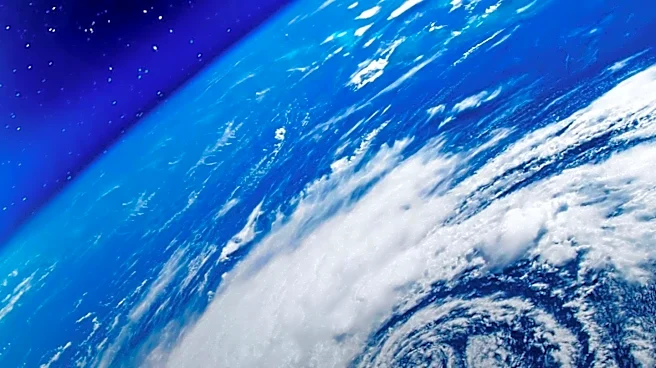
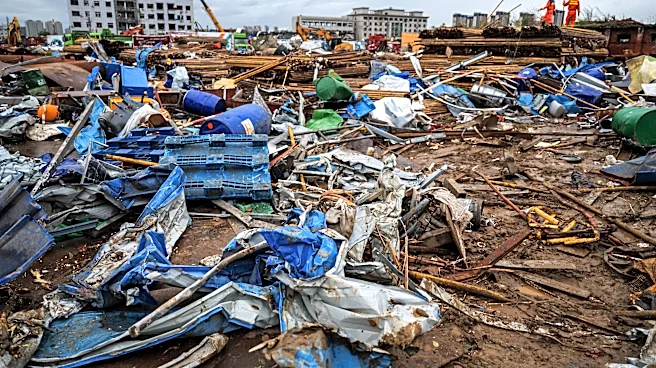
Super Typhoon Bavi has swept across the US Pacific Islands, including Guam, Tinian, Saipan, and Rota, bringing powerful winds and heavy rain. The storm has caused widespread destruction, although no loss of life has been reported. The typhoon is part
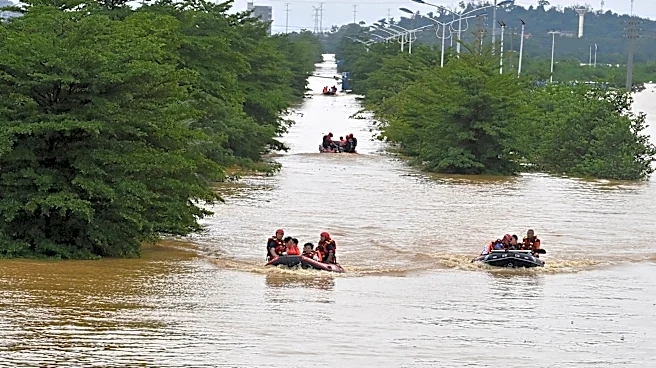
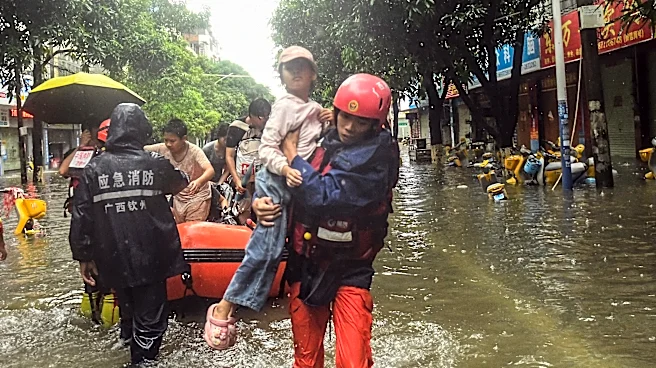
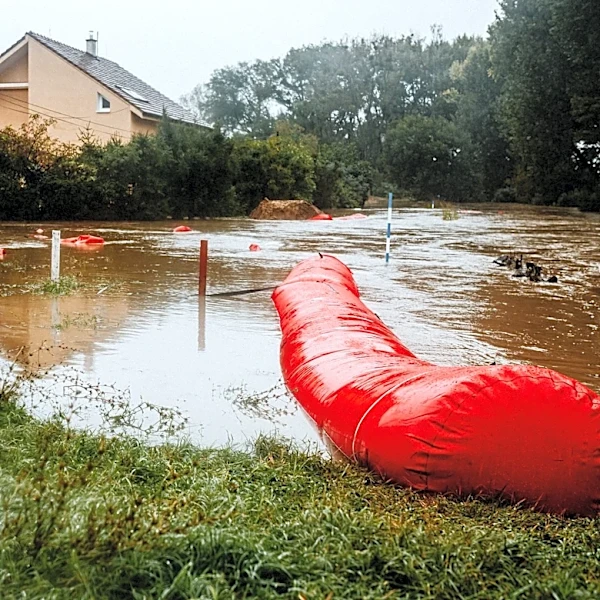
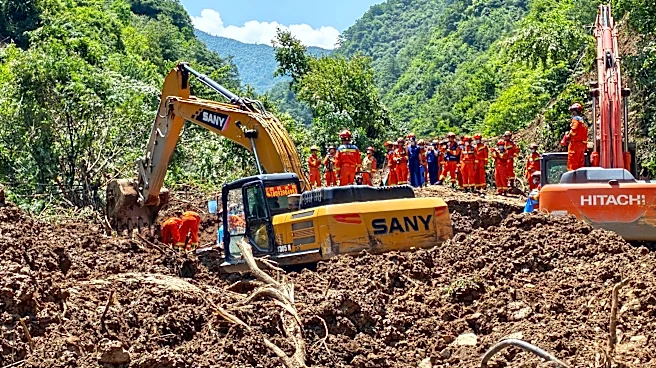
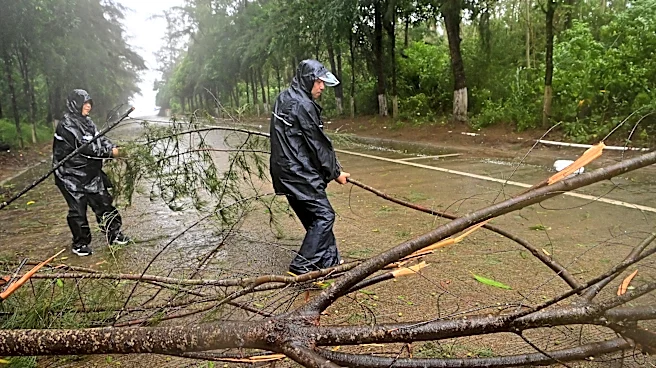
of a series of extreme weather events affecting the region, with China also experiencing severe storms and preparing for Bavi's impact on its eastern coast. In China, the storms have resulted in at least 11 deaths and over 330 injuries in Hubei province, with tornadoes and thunderstorms causing significant damage. Additionally, floods in Guangxi and Guangdong provinces have led to evacuations and heightened flood alerts.
Why It's Important?
The impact of Super Typhoon Bavi on the US Pacific Islands highlights the vulnerability of these regions to extreme weather events. The destruction caused by the typhoon underscores the need for robust disaster preparedness and response strategies. For the US, ensuring the safety and resilience of its territories in the Pacific is crucial, as these areas are often the first to experience the effects of Pacific storms. The situation also draws attention to the broader challenges posed by climate change, which is expected to increase the frequency and intensity of such weather events, affecting both local communities and international relations.
What's Next?
As Super Typhoon Bavi continues its path, it is expected to make landfall along China's eastern coast later this week. Preparations are underway in China to mitigate the storm's impact, with authorities mobilizing resources for disaster prevention and relief efforts. In the US Pacific Islands, recovery and rebuilding efforts will likely be a priority in the aftermath of the storm. The situation may prompt discussions on enhancing infrastructure resilience and improving early warning systems to better protect vulnerable communities from future storms.