




What's Happening?
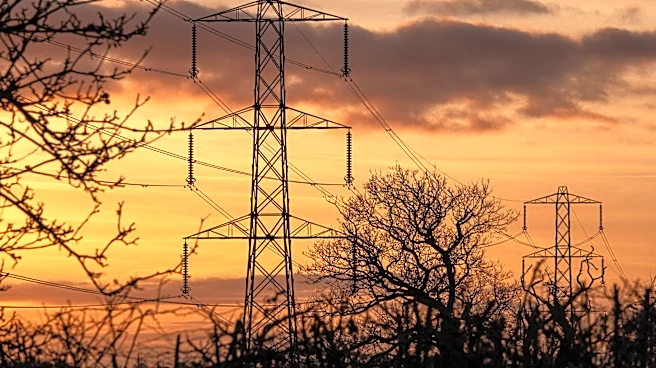
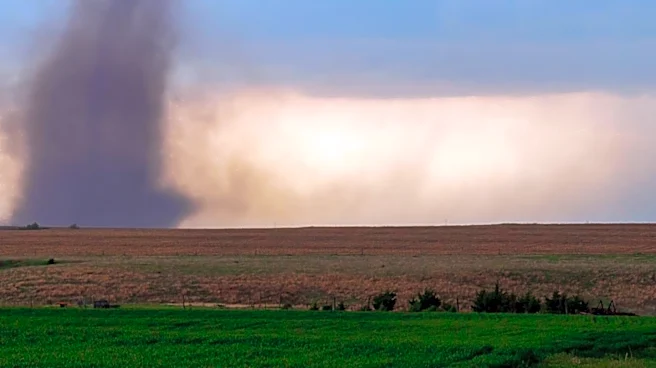
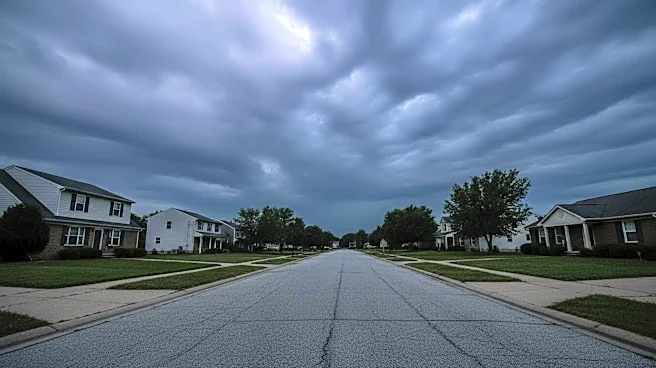
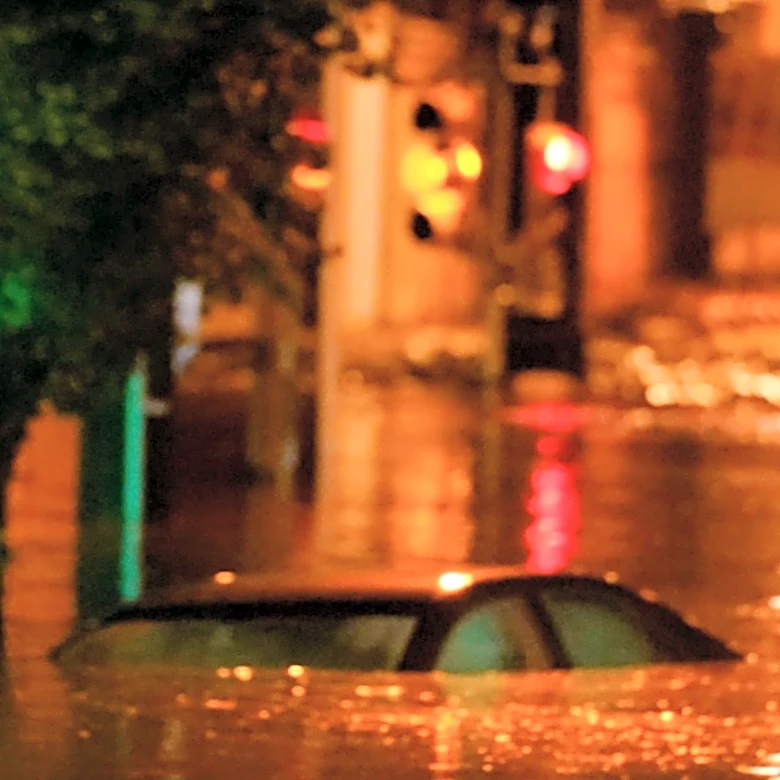
A severe storm combined with a sprawling heat wave has left nearly 1 million homes and businesses without power across the United States on July 4, 2026. The outages have disrupted Independence Day celebrations as the nation marked its 250th anniversary.
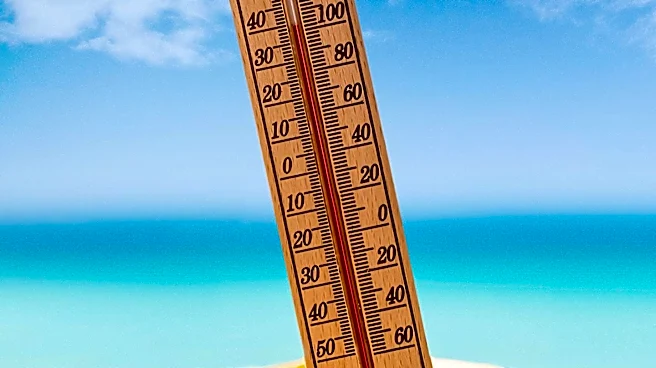
According to PowerOutage.us, approximately 795,000 customers were without electricity nationwide as of 4:30 p.m. ET, with the heaviest concentrations in the Midwest and Northeast. The National Weather Service issued warnings across large portions of the East Coast, Mid-Atlantic, and Midwest, cautioning that heat index values could exceed 100 degrees Fahrenheit, with some areas bracing for a stifling 110 to 115 degrees. Michigan was particularly hard hit, with nearly 331,000 customers left in the dark. The extreme conditions forced organizers to cancel or alter major July 4 events in at least nine states and the District of Columbia.
Why It's Important?
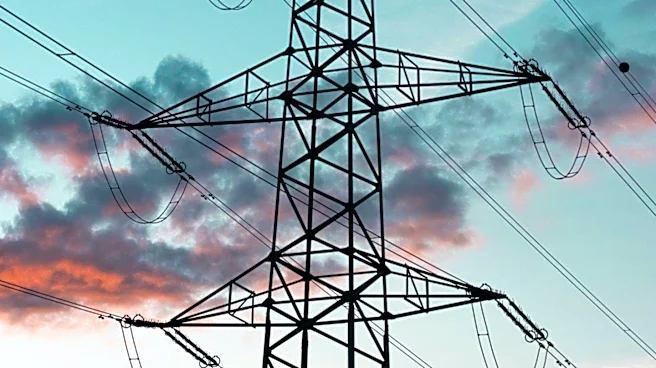
The widespread power outages and extreme heat pose significant risks to public safety and infrastructure. Millions of Americans are left without air conditioning or refrigeration, creating potentially life-threatening conditions. The heat wave places intense pressure on power, water, and transportation infrastructure, with utility companies struggling to restore service amid fluctuating outage figures. The situation highlights the vulnerability of the U.S. power grid to extreme weather events, which are becoming more frequent and severe due to climate change. The disruptions also underscore the need for improved infrastructure resilience and emergency preparedness to protect communities from the impacts of such events.
What's Next?
Forecasters warn that the combination of severe weather and extreme heat could persist through the holiday weekend, threatening further disruptions. Emergency management officials are urging residents in affected regions to limit outdoor exposure, check on vulnerable neighbors, and utilize local cooling centers. Utility companies are working to restore power, but the fluctuating nature of the outages means that some areas may remain without electricity for an extended period. The situation may prompt discussions among policymakers and utility companies about investing in more resilient infrastructure to withstand future extreme weather events.