






What's Happening?
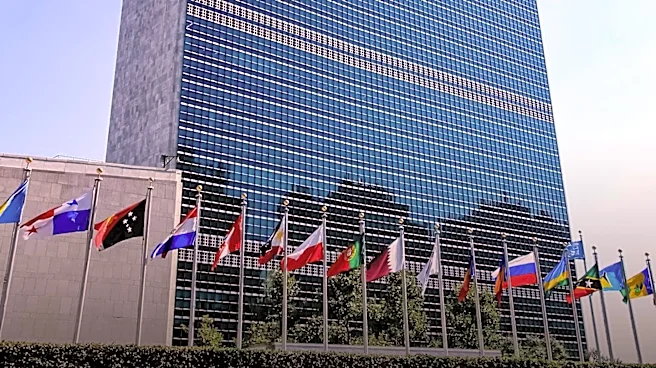
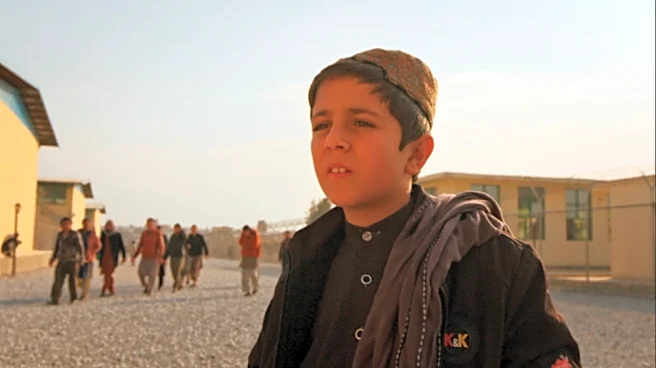
The United Nations has issued a stark warning regarding the deepening malnutrition crisis in Afghanistan, indicating that millions of mothers and children are facing severe food insecurity. According to assessments by UN agencies, the number of individuals
experiencing severe food insecurity is projected to reach 19.2 million during the upcoming winter season, spanning from November 2026 to April 2027. This includes approximately five million people who will confront emergency levels of hunger. The UN report emphasizes the urgent need for humanitarian assistance to vulnerable families and highlights the critical importance of sustained investment in livelihoods and basic services to bolster families' resilience against crises. UN Secretary-General António Guterres also criticized the restrictions in Afghanistan, stating that they have formalized the systematic exclusion of women and girls from public life, leading to an atmosphere of fear and anxiety for many women who have lost hope. The UN has affirmed its commitment to supporting the Afghan people, with staff and partners continuing to provide humanitarian aid and life-saving services across the country.
Why It's Important?
The escalating food insecurity in Afghanistan represents a significant humanitarian crisis with far-reaching implications. The projected increase to 19.2 million people facing severe food insecurity, including five million at emergency levels, underscores the fragility of the region and the urgent need for international intervention. This crisis not only threatens the lives of millions but also exacerbates existing vulnerabilities, particularly among women and children. The systematic exclusion of women and girls from public life, as highlighted by UN Secretary-General Guterres, further compounds the challenges, limiting their access to resources and opportunities and hindering overall societal development. The situation could lead to increased displacement, health crises, and long-term instability, potentially creating a ripple effect across neighboring regions. For the U.S. and international community, this crisis presents a moral imperative and a strategic challenge, as prolonged instability and humanitarian disasters can foster environments conducive to extremism and migration flows.
What's Next?
The immediate focus for the United Nations and its partners will be to scale up humanitarian assistance to address the critical food shortages and prevent further deterioration of the crisis during the winter months. This will involve mobilizing additional resources and ensuring unimpeded access for aid delivery across Afghanistan. The UN will likely continue to advocate for the lifting of restrictions on women and girls, emphasizing their crucial role in humanitarian response and long-term recovery efforts. International diplomatic efforts may intensify to pressure the de facto authorities in Afghanistan to adhere to international human rights standards and facilitate humanitarian operations. Furthermore, there will be a continued push for sustained investment in livelihoods and basic services to build resilience and reduce dependency on emergency aid. The international community will need to monitor the situation closely, as the severity of the winter season could significantly impact the humanitarian needs and the effectiveness of aid interventions.
Beyond the Headlines
The crisis in Afghanistan extends beyond immediate food shortages, revealing deeper systemic issues related to governance, human rights, and economic stability. The 'systematic exclusion of women and girls from public life' not only violates fundamental human rights but also severely undermines the country's potential for recovery and development. When half of the population is marginalized, the capacity for economic growth, social cohesion, and effective governance is significantly diminished. This situation could lead to a 'lost generation' of women and girls, with long-term consequences for education, health, and societal progress. The reliance on humanitarian aid, while critical in the short term, highlights the absence of sustainable economic structures and self-sufficiency. The international community faces the complex challenge of providing life-saving assistance while simultaneously addressing the root causes of vulnerability and advocating for a more inclusive and equitable society in Afghanistan, without inadvertently legitimizing policies that violate human rights.