
What's Happening?
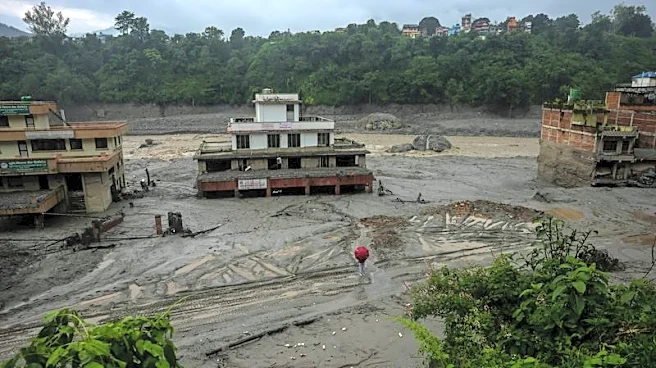
The U.S. government has updated its travel advisory for Nepal, specifically urging citizens to avoid the Rasuwagadhi-Timure-Syafrubesi area of Rasuwa district and the Nepal-China border crossing. This 'Level 4: Do Not Travel' advisory comes in the wake
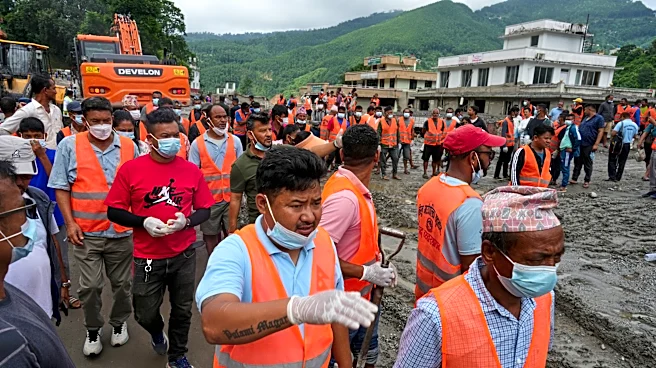
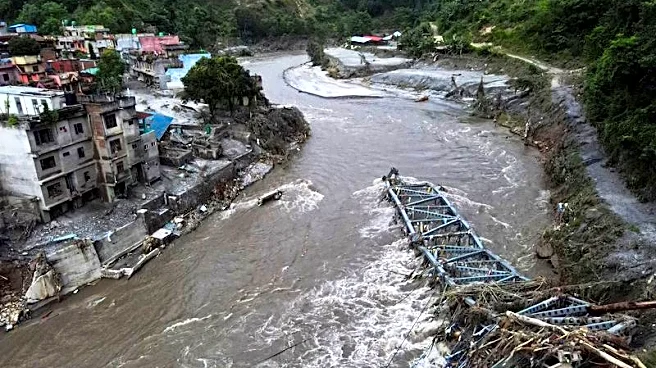
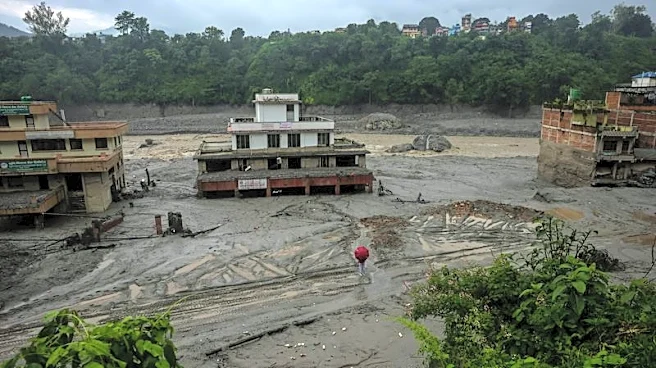
of major flash floods on August 26, which have severely damaged roads, transportation, and communication infrastructure in the region. Search, rescue, and recovery operations are ongoing, and there is a continued risk of further flooding and landslides. The affected zone includes settlements along the Bhotekoshi, Trishuli, and Narayani rivers. U.S. citizens are advised against entering disaster-affected areas, even to search for missing persons, and are urged to comply with any evacuation orders from Nepali authorities. Additionally, the U.S. has placed Nepal overall under a 'Level 2: Exercise Increased Caution' due to concerns about potential civil unrest, despite a current period of stability following nationwide protests that ended in September 2025. The advisory highlights that protests can begin with little notice and may turn violent.
Why It's Important?
This updated travel advisory is significant for U.S. citizens planning to travel to or currently residing in Nepal, as it directly impacts their safety and travel plans. The 'Do Not Travel' designation for specific flood-affected areas underscores the severe and ongoing dangers, including damaged infrastructure and the risk of further natural disasters. The broader 'Exercise Increased Caution' for the entire country due to potential civil unrest indicates a complex risk environment that U.S. citizens need to navigate. For the U.S. government, issuing such advisories is a critical function to protect its citizens abroad and reflects its assessment of the security and safety landscape in foreign nations. The mention of limited healthcare capacity in Nepal also highlights potential challenges for U.S. citizens requiring medical attention, emphasizing the need for comprehensive travel health insurance and preparedness for medical evacuation. This advisory could also influence the decisions of U.S. aid organizations and businesses operating in Nepal, potentially leading to adjustments in their operations or increased security measures.
What's Next?
U.S. citizens in Nepal or those planning travel are advised to enroll in the Smart Traveler Enrollment Program (STEP) to receive updates and emergency alerts from the U.S. Embassy or consulate. They should also review Nepal's security report and obtain travel health insurance that includes medical evacuation coverage. The U.S. government will likely continue to monitor the situation in Nepal, particularly regarding the recovery efforts from the floods and any developments related to civil unrest. The advisory may be updated as conditions change. For those affected by the floods, the immediate focus will remain on rescue and recovery, with international assistance potentially playing a role. The long-term recovery will involve rebuilding infrastructure and addressing the humanitarian needs of those displaced. The potential for renewed protests means that U.S. citizens should remain vigilant and avoid large crowds and demonstrations, following local authorities' instructions.
Beyond the Headlines
The U.S. travel advisory for Nepal extends beyond immediate safety concerns, touching upon broader implications for international travel and disaster preparedness. The emphasis on limited healthcare capacity in Nepal highlights a common challenge in developing nations, where even routine medical care can be difficult to access, let alone emergency services during a crisis. This underscores the importance of personal responsibility for travelers to secure adequate insurance and be prepared for self-sufficiency. The advisory also implicitly acknowledges the increasing frequency and intensity of natural disasters, particularly in vulnerable regions like the Himalayas, which are susceptible to the impacts of climate change. The mention of past civil unrest and the potential for its resumption points to underlying socio-political fragilities that can be exacerbated by natural disasters, creating a complex environment for both residents and visitors. This situation serves as a reminder of the interconnectedness of environmental, social, and political stability in a globalized world.