




What's Happening?
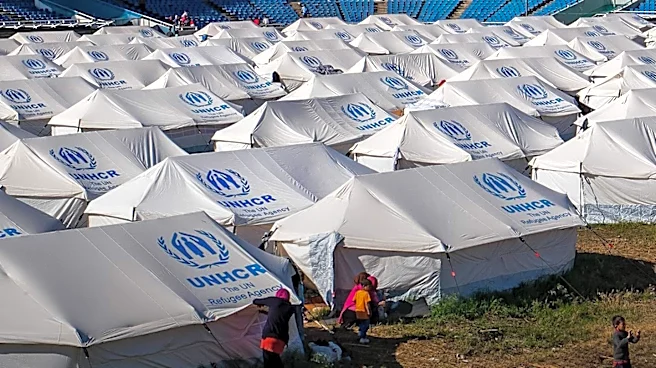
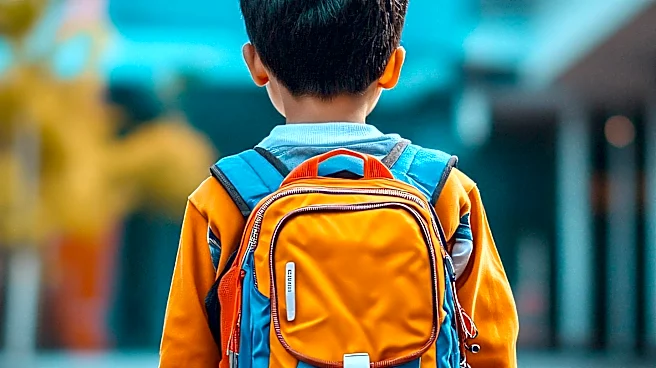
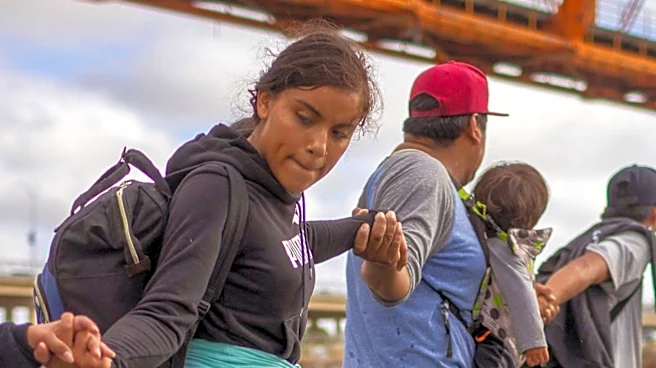
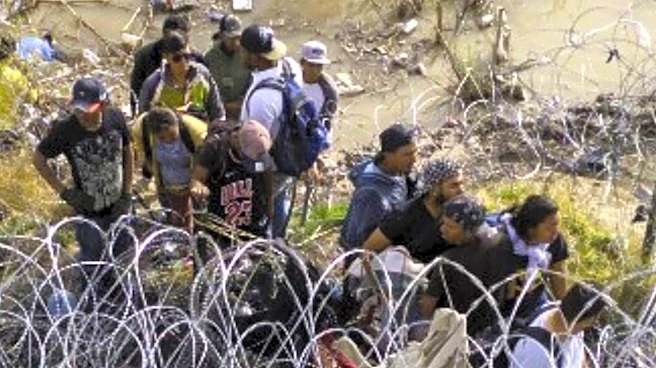
Humanitarian architecture is increasingly tasked with supporting education for millions of displaced children worldwide. According to UNHCR, approximately 45 million of the world's 117.8 million forcibly displaced people were children under the age of eighteen
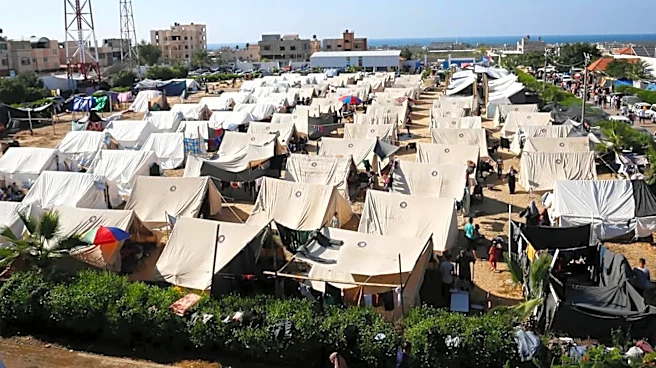
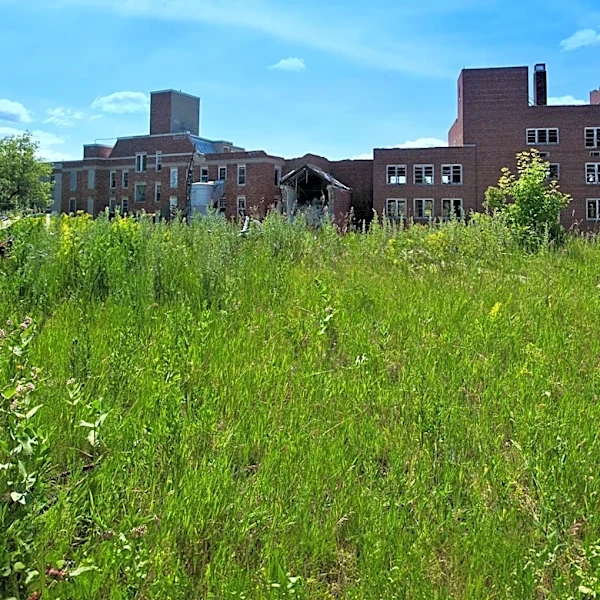
at the end of 2025. Schools in borderlands, refugee settlements, and areas affected by climate-induced displacement are not just educational facilities but also spaces that provide continuity and safety amid instability. The challenge lies in constructing educational environments that can adapt to the uncertain futures faced by these children.
Why It's Important?
The ability to provide education to displaced children is crucial for their development and future opportunities. Education offers a sense of normalcy and hope, which is vital for children who have experienced trauma and instability. The challenge for humanitarian architecture is to create spaces that are not only functional but also supportive of the emotional and psychological needs of displaced children. This effort is essential for breaking the cycle of poverty and instability that often accompanies displacement.
Beyond the Headlines
The role of architecture in humanitarian efforts extends beyond mere construction. It involves creating environments that foster a sense of belonging and community, which can be particularly challenging in transient and unstable settings. The design of these educational spaces must consider cultural, social, and psychological factors to be truly effective. As displacement continues to rise due to various global crises, the demand for innovative architectural solutions will only increase.