







What's Happening?
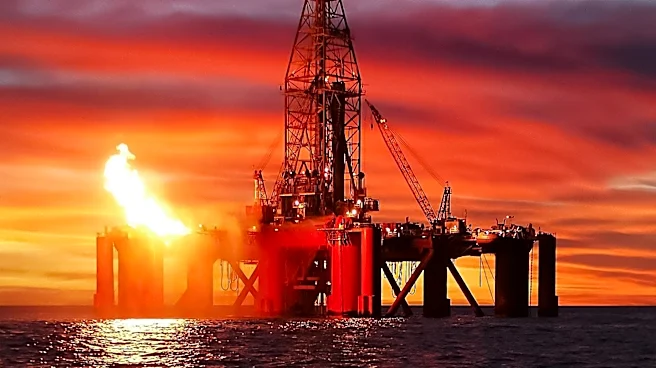
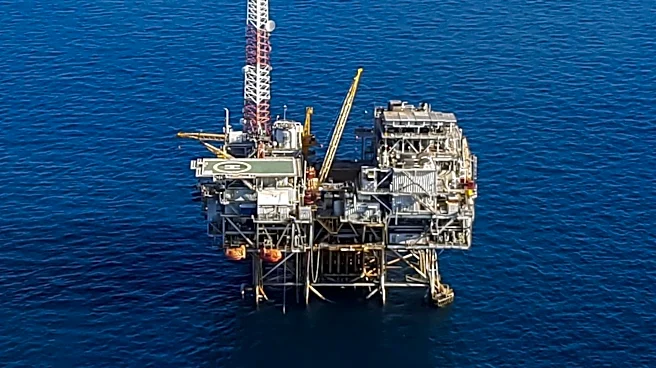
The UK is at a crossroads regarding its energy policy as it faces a decision on whether to expand North Sea oil drilling or focus on renewable energy sources. This decision comes amid a global energy shock exacerbated by the Iran war, which has disrupted
oil flows through the Strait of Hormuz, a key oil chokepoint. The debate is centered around the Rosebank and Jackdaw fields in Scottish waters, which could significantly boost UK oil supply but challenge climate goals. The situation is further complicated by political divisions, with some UK leaders supporting new drilling to protect jobs, while others advocate for a shift towards clean energy.
Why It's Important?
The outcome of this energy policy decision will have far-reaching implications for the UK's energy security, economic stability, and climate commitments. Expanding oil drilling could provide a short-term boost to domestic energy supply and protect jobs in the oil sector. However, it may also hinder the UK's progress towards achieving its climate goals and transitioning to a sustainable energy future. On the other hand, focusing on renewables could enhance long-term energy security and align with global climate initiatives, but may require significant investment and restructuring of the energy sector. The decision will impact various stakeholders, including energy companies, workers, and consumers.
What's Next?
As the UK prepares for a potential change in leadership, the new prime minister will need to quickly define their stance on this critical energy issue. The decision will likely involve balancing economic, environmental, and political considerations. Stakeholders, including government officials, industry leaders, and environmental groups, will play a crucial role in shaping the policy direction. The UK may also need to engage in international discussions to address the broader implications of its energy policy on global markets and climate efforts. The resolution of this issue will be closely watched by both domestic and international observers.