





What's Happening?
France has recorded 208 locally transmitted cases of Chikungunya fever across 30 outbreaks in various localities, according to a disease surveillance report published by the French Public Health Agency (Santé publique France) on November 4th. As of November 2nd,
13 of these outbreaks have concluded, while 17 are still under investigation, indicating an ongoing risk of transmission. The number of cases per outbreak ranges from 1 to 36 individuals. Cases have been identified in southern and southwestern France, including Tarn, Lot, Gard, Gironde, Landes, and Pyrénées-Atlantiques provinces. The Île-de-France region, specifically Val-de-Marne and Seine-Saint-Denis in the Paris metropolitan area, along with Var and Drôme provinces in southeastern France, have also reported infections. The number of Chikungunya cases, based on symptom onset, increased from early July, peaked in mid-September, and has since shown a declining trend, though recent data is still being finalized. In addition to Chikungunya, France has also reported five local outbreaks of Dengue fever, totaling eight cases.
Why It's Important?
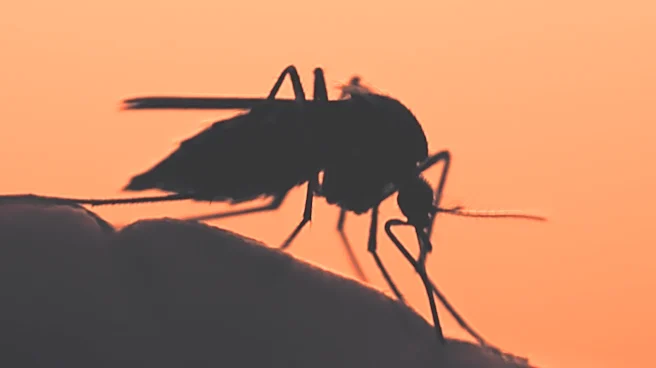
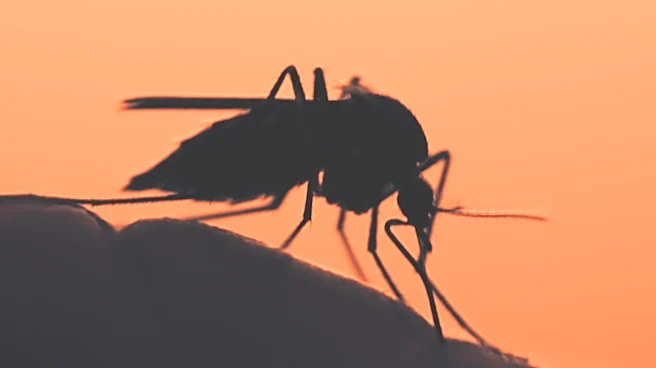
The emergence of over 200 locally transmitted Chikungunya cases in France highlights a significant public health challenge, particularly concerning the spread of mosquito-borne diseases in non-tropical regions. While this report focuses on France, the implications for the U.S. are noteworthy due to global travel and the presence of the Aedes mosquito, which transmits Chikungunya. The U.S. has experienced imported cases of Chikungunya, and local transmission could occur if conditions are favorable, posing a risk to public health and potentially straining healthcare resources. The persistent joint pain associated with Chikungunya can lead to long-term disability, impacting individuals' quality of life and productivity. The situation in France serves as a critical reminder for U.S. public health agencies to maintain robust surveillance systems and public awareness campaigns regarding mosquito bite prevention and symptom recognition, especially in areas with established Aedes mosquito populations. The economic impact could include increased healthcare costs and potential disruptions to local economies if outbreaks become widespread.
What's Next?
French health authorities are continuing epidemiological investigations, surveillance, and mosquito control efforts in at-risk areas. The public is advised to proactively prevent mosquito bites, eliminate stagnant water containers, and seek medical attention for suspected symptoms. The ongoing monitoring of the 17 unresolved outbreaks suggests that further cases could emerge, although the declining trend in recent weeks offers some optimism. For the U.S., the focus will likely remain on preventing local transmission through traveler screening and public health education. Continued research into mosquito control methods and vaccine development will be crucial. International collaboration and data sharing on arbovirus surveillance will also be vital to anticipate and mitigate potential outbreaks globally, including in the U.S. The experience in France underscores the need for adaptable public health strategies to address the evolving geographical spread of mosquito-borne diseases.
Beyond the Headlines
The increasing incidence of locally transmitted mosquito-borne diseases like Chikungunya in temperate regions like France points to broader environmental and climate-related shifts. Changes in global temperatures and precipitation patterns can expand the geographical range and breeding seasons of Aedes mosquitoes, which are vectors for Chikungunya, Dengue, and Zika viruses. This phenomenon suggests a long-term challenge for public health systems worldwide, including in the U.S., where similar climate conditions could facilitate the establishment of these diseases. The ethical implications involve ensuring equitable access to preventative measures and healthcare, particularly for vulnerable populations. Legally, there may be a need for updated public health regulations to address emerging infectious disease threats more effectively. Culturally, there's a growing need for public education to foster community engagement in mosquito control and personal protection, shifting societal norms towards greater awareness of environmental health. This trend highlights the interconnectedness of climate, environment, and human health, demanding a holistic approach to public health policy.