




What's Happening?
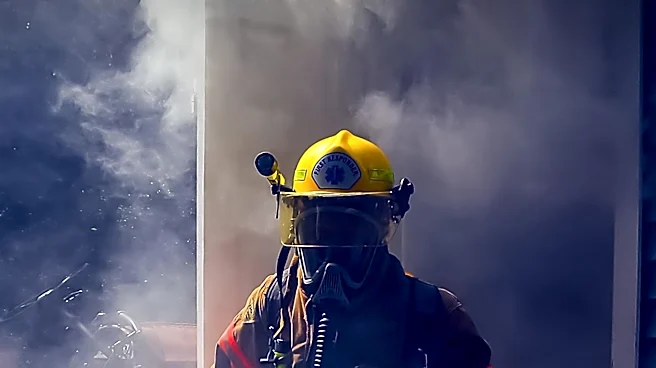
Researchers at Iowa State University, led by Guowen Song, a professor of apparel, events and hospitality and director of the NextGen Personal Protective Technology Program, are developing a wearable exposure monitoring system for firefighters. This initiative
aims to track exposure to contaminants like polycyclic aromatic hydrocarbons (PAHs) and PFAS (per- and polyfluoroalkyl substances) from fire scenes to fire stations and other areas. The team is burning various materials, including batteries and plastics, to study how invisible residues adhere to firefighters' gear and the effectiveness of current decontamination methods, which Song states are inadequate for the nature of modern fire contaminants. The Iowa Firefighter Cancer Prevention and Exposure Reduction Program, launched in July, collaborates with several partners, including the University of Iowa Holden Comprehensive Cancer Center and the Iowa State Fire Marshal Division, to address this issue. The Federal Emergency Management Agency (FEMA) has funded this research for six years, highlighting the national significance of the problem.
Why It's Important?
This research is vital for the health and safety of firefighters across the U.S., particularly in Iowa, where 92% of fire departments are volunteer-based, exceeding the national average by over 20 percentage points. Volunteer firefighters often bring their gear, potentially laden with carcinogens, into personal vehicles and homes, increasing exposure risks for themselves and their families. Firefighters in larger cities face complex structure fires involving diverse materials, leading to exposure to more dangerous contaminants. The current lack of effective decontamination technology means firefighters are at a higher risk of cancer, a concern highlighted by Kent Brix, past president of the Iowa Firefighters Association. The development of a national monitoring system and improved equipment, cleaning, and storage solutions could significantly reduce cancer rates and other health issues among firefighters, potentially influencing insurance and health-related support for them.
What's Next?
The immediate next step for the Iowa State University team and its partners is to continue developing and refining the wearable exposure monitoring system. The goal is to establish a national monitoring system to accurately assess firefighter exposure levels. This data will inform the creation of better personal protective equipment, advanced cleaning protocols, and improved storage systems designed to prevent contaminant exposure. Rui Li, co-principal investigator, emphasizes that the focus is on prevention rather than cure, aiming to enhance understanding of how small particles interact with PPE to develop new materials or treatments. The research could also lead to policy changes and increased support for firefighters regarding health insurance and compensation for work-related illnesses, driven by concrete data on personal exposure.
Beyond the Headlines
The implications of this research extend beyond immediate firefighter safety, touching upon broader public health and environmental concerns. The study of PFAS and other carcinogens in firefighting gear highlights the pervasive nature of these 'forever chemicals' in modern materials and their potential to impact human health through various exposure pathways. This initiative could set a precedent for how other high-risk professions, or even the general public, monitor and mitigate exposure to environmental toxins. Furthermore, the emphasis on prevention through improved material science and decontamination methods could spur innovation in protective technologies across different industries. The project also underscores the critical role of academic institutions in addressing real-world health crises and the importance of inter-organizational collaboration in tackling complex societal challenges.