



What's Happening?
Numerous travelers have voiced significant dissatisfaction with several well-known U.S. tourist spots, including Antelope Canyon in Arizona, the Hollywood Walk of Fame in Los Angeles, and Disney World in Florida. Visitors to Antelope Canyon reported that
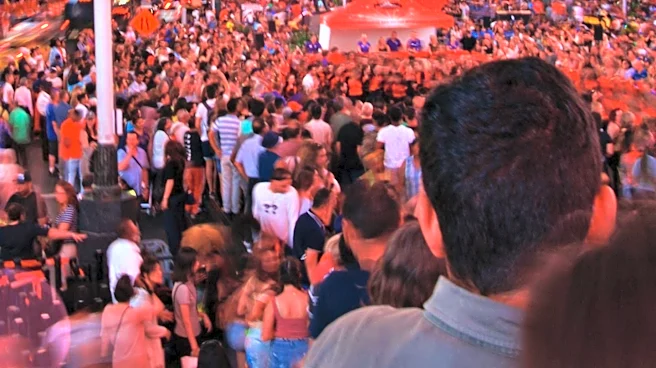
tickets are excessively expensive and that the experience feels rushed, with guides often taking photos for tourists due to time constraints. The Hollywood Walk of Fame is frequently described as 'grimey' and a 'tourist-trap,' failing to meet expectations for movie enthusiasts. Disney World, despite its reputation, has drawn criticism for its high costs, overwhelming crowds, and what some perceive as subpar rides and accommodations, particularly at the Animal Kingdom Lodge where animal sightings are reportedly rare. These sentiments highlight a growing trend of disillusionment among tourists who find that the reality of these destinations falls short of their advertised appeal, often due to commercialization and overcrowding.
Why It's Important?
This trend of dissatisfaction with major U.S. tourist attractions carries significant implications for the domestic tourism industry. Negative experiences, widely shared on platforms like Reddit, can deter potential visitors, impacting local economies that rely heavily on tourism revenue. For destinations like Antelope Canyon, where high prices and regulated tours are intended to manage crowds and generate income for the native population, the perception of poor value could lead to a decline in visitation. Similarly, the criticisms leveled against Disney World and the Hollywood Walk of Fame suggest a potential disconnect between marketing efforts and the actual visitor experience. This could prompt a reevaluation of pricing strategies, crowd management techniques, and the overall visitor experience at these iconic locations to maintain their appeal and economic viability. The feedback also underscores a broader consumer desire for authentic and less commercialized travel experiences, which could shift demand towards alternative, less-trafficked destinations within the U.S.
What's Next?
In response to growing traveler dissatisfaction, tourist destinations and local authorities may need to consider implementing changes to enhance visitor experiences. This could involve re-evaluating pricing structures to ensure perceived value, improving crowd management strategies, and investing in infrastructure to better accommodate visitors without compromising the authenticity of the location. For instance, Antelope Canyon might explore alternative tour models that allow for more personal exploration, while Disney World could focus on addressing concerns about ride quality and the accuracy of accommodation descriptions. The Hollywood Walk of Fame might benefit from initiatives to improve cleanliness and safety, transforming it from a perceived 'tourist-trap' into a more engaging cultural landmark. Furthermore, the widespread sharing of negative experiences online could prompt other U.S. tourist spots to proactively solicit feedback and make adjustments to avoid similar criticisms, potentially leading to a broader industry-wide shift towards more visitor-centric approaches.
Beyond the Headlines
The expressed disappointment with popular U.S. tourist destinations reflects a deeper societal shift in travel expectations and values. Modern travelers, increasingly informed by online reviews and social media, seek authentic, meaningful experiences rather than merely checking off bucket list items. The critique of destinations like Antelope Canyon and Disney World highlights a tension between mass tourism's economic benefits and its potential to degrade the visitor experience through overcrowding and commercialization. This phenomenon raises ethical questions about the sustainability of current tourism models and the responsibility of destinations to preserve their unique character while accommodating large numbers of visitors. It also points to a cultural re-evaluation of what constitutes a 'worthwhile' travel experience, moving away from purely iconic landmarks towards more immersive and less commodified encounters. This shift could foster the growth of niche tourism markets and encourage the development of new, less-explored destinations that prioritize quality over quantity, ultimately reshaping the landscape of U.S. travel.