







What's Happening?
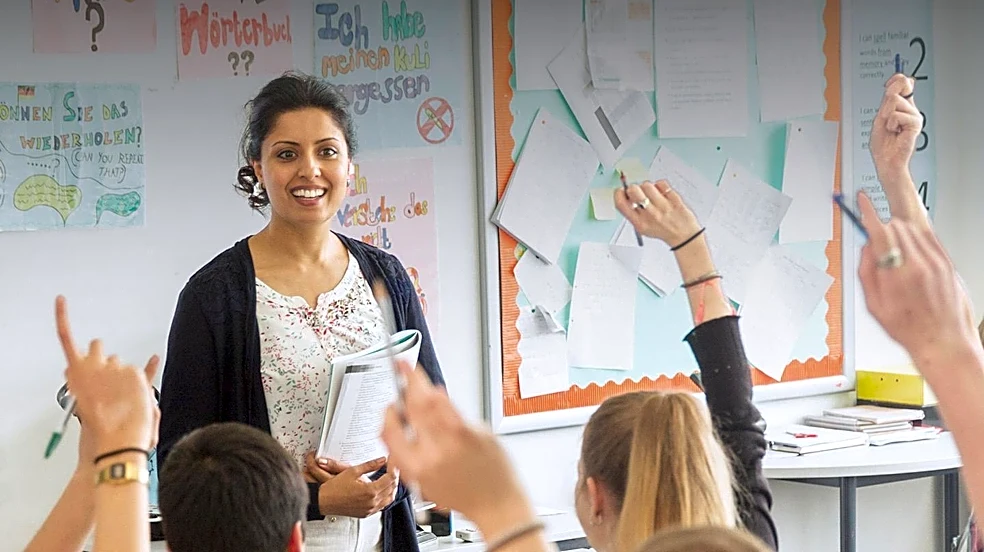
Teachers are encouraged to carefully observe students' engagement, participation, and persistence to determine if classroom activities are appropriately challenging. When an activity is either too easy or too difficult, signs such as boredom, frustration,
withdrawal, or repeated requests for help may emerge. These indicators should prompt educators to investigate the mismatch between the task and the child's current access, interests, or skills, rather than labeling the child. The National Association for the Education of Young Children (NAEYC) emphasizes intentional observation, recording information, and using it to adjust teaching strategies. Before modifying a task, teachers should clarify the learning goal and assess whether the child has had a fair opportunity to learn the assumed skills. Adjustments can involve altering the task's content, presentation, length, materials, support level, or response options. The goal is to preserve the learning purpose while making small, targeted changes to address observed barriers.
Why It's Important?
Ensuring that classroom activities are at the right level of challenge is critical for fostering engagement, confidence, and persistence in U.S. students. When tasks are appropriately matched to a child's abilities, it supports their intrinsic motivation and promotes a sense of belonging, which are vital for academic success and overall well-being. This approach also reflects equitable teaching practices, recognizing that fairness means providing each learner with what they need to participate meaningfully, rather than offering identical materials or directions to everyone. By preventing avoidable frustration and disengagement, teachers can maximize learning opportunities and reduce behavioral issues that often arise from tasks that are either too overwhelming or too unstimulating. This individualized approach helps to cultivate a classroom environment where every child feels capable and supported in their learning journey.
What's Next?
Teachers are advised to implement small, targeted adjustments to activities and then re-observe the child's response to assess effectiveness. This iterative process of noticing, adapting, and reflecting is key to creating a responsive learning environment. Strategies include breaking down longer activities into smaller steps, providing varied levels of support (e.g., modeling, hints, visual cues), offering different materials, and allowing diverse response options (e.g., talking, drawing, building). For children who have mastered a task, extensions that invite deeper thinking, prediction, or application in new contexts are recommended. Collaboration with families and specialists is also crucial to gain insights into a child's interests, communication styles, and successful supports. This continuous cycle of assessment and adjustment ensures that learning remains dynamic and tailored to individual student needs.
Beyond the Headlines
The practice of adapting classroom activities based on individual student needs has profound implications for addressing educational disparities and promoting inclusive learning environments. By moving away from a 'one-size-fits-all' approach, educators can better serve students with diverse learning styles, cultural backgrounds, and developmental stages. This pedagogical shift challenges the notion that all students should progress at the same pace or demonstrate understanding in identical ways. It encourages teachers to view apparent difficulties not as deficits in the child, but as potential mismatches in the learning experience. This perspective fosters a more empathetic and effective educational system that values individual growth and agency, ultimately preparing students to thrive in a complex and diverse world. It also underscores the importance of ongoing professional development for teachers in differentiation and scaffolding techniques.