



What's Happening?
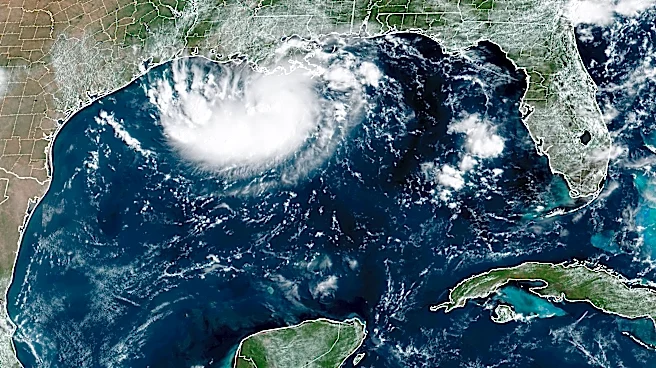
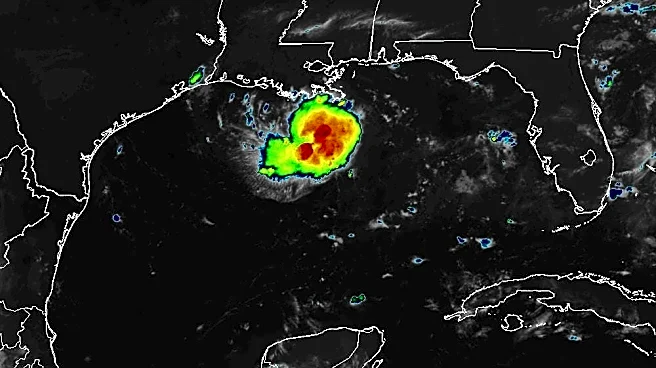
The Alabama Emergency Management Agency (EMA) has issued a warning regarding tropical activity in the Gulf of Mexico and increasing heat index values across the state. An area of low pressure off the Louisiana coast is expected to develop into a short-lived
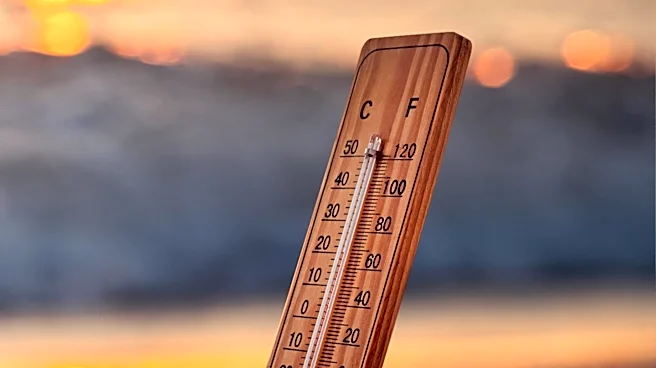
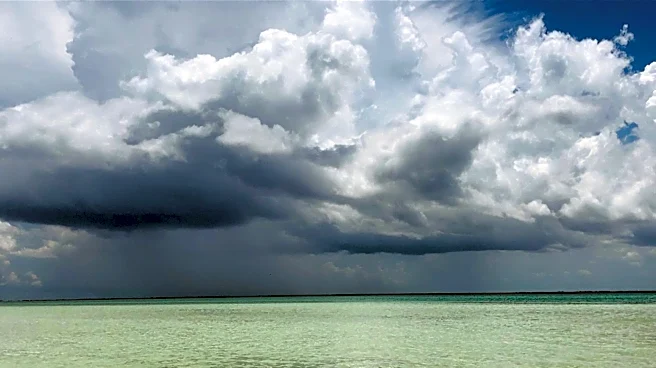
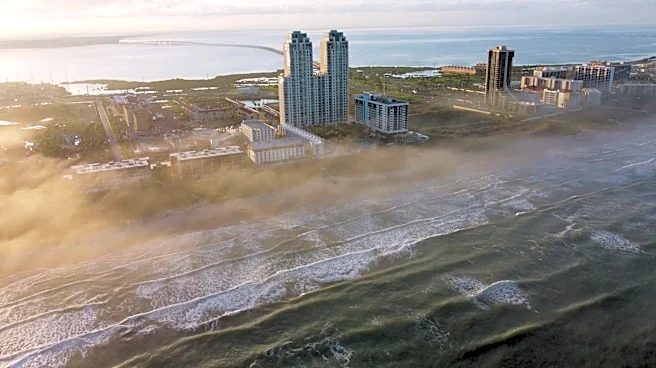
tropical depression or storm before making landfall along the Upper Texas or southwestern Louisiana coasts by tonight or Tuesday, with heavy rainfall being the primary concern. Additionally, a broad area of low pressure near Hispaniola is moving west-northwestward, though it has only a 10% chance of tropical development due to unfavorable upper-level winds. This system in the Gulf will bring scattered showers and thunderstorms to the far southern sections of Alabama today and Tuesday, with dry conditions elsewhere. Scattered storms are forecast for the southern half on Wednesday, south of I-20 on Thursday, and statewide on Friday and Saturday. Heat Index values are projected to rise significantly, reaching 100-106 degrees Fahrenheit across most of Alabama starting Tuesday.
Why It's Important?
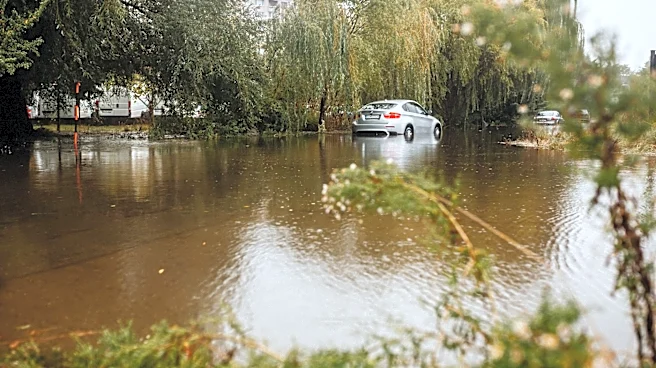
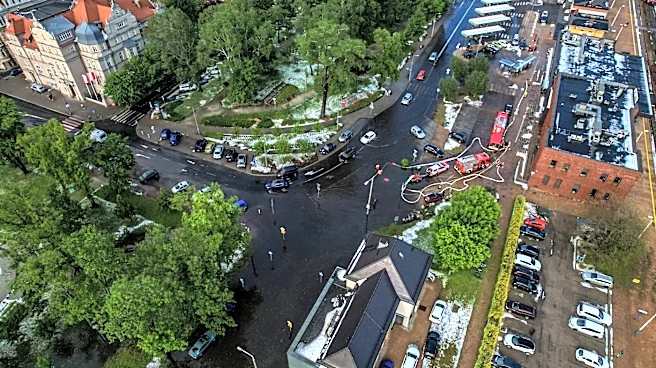
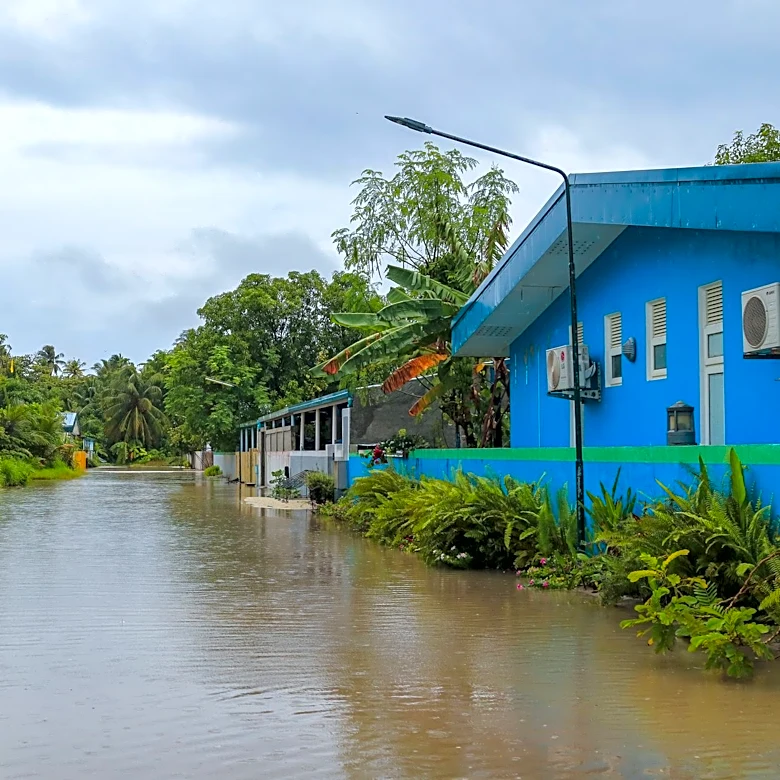
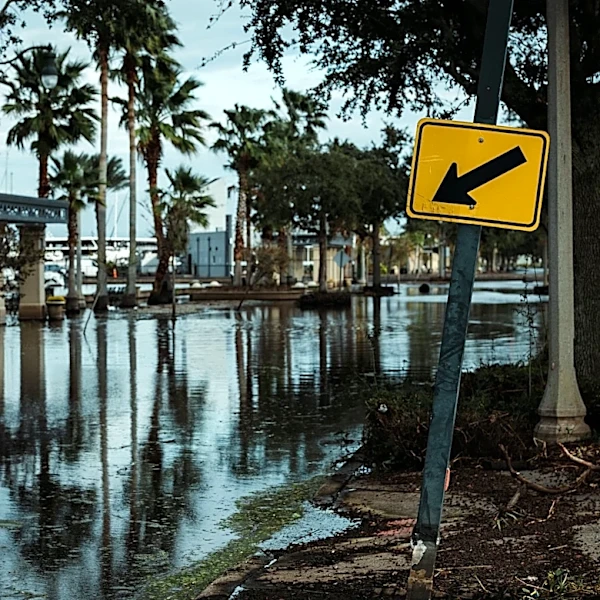
This dual threat of tropical weather and extreme heat poses significant risks to public safety and infrastructure across Alabama. Heavy rainfall from the tropical system could lead to localized flooding, disrupting transportation, damaging property, and potentially causing power outages. The rising heat index values, reaching dangerous levels of 100-106 degrees Fahrenheit, present a serious health hazard, increasing the risk of heat-related illnesses such as heatstroke and exhaustion, particularly for vulnerable populations, outdoor workers, and those without adequate cooling. The combination of these weather phenomena could strain emergency services, impact agricultural activities, and disrupt daily life. Proactive measures and public awareness are crucial to mitigate potential adverse effects and ensure the well-being of residents.
What's Next?
Residents in Alabama are advised to monitor local weather updates from the Alabama EMA and other official sources. Preparations for heavy rainfall, including securing loose outdoor items and clearing storm drains, should be undertaken in affected areas. For the extreme heat, individuals should take precautions such as staying hydrated, seeking air-conditioned environments, and limiting strenuous outdoor activities, especially during peak heat hours. Emergency services and healthcare providers will likely be on heightened alert to respond to heat-related emergencies and potential flooding incidents. The EMA will continue to provide updates on the tropical systems' trajectories and the evolving heat conditions, guiding public response and safety measures.
Beyond the Headlines
The convergence of tropical activity and extreme heat in Alabama highlights the broader implications of climate patterns on regional vulnerability. Such events underscore the increasing frequency and intensity of weather-related challenges, prompting deeper discussions about climate resilience and adaptation strategies. Beyond immediate safety concerns, these conditions can have long-term economic impacts on sectors like agriculture and tourism, and place sustained pressure on public health systems. The need for robust infrastructure capable of withstanding severe weather, coupled with effective public health campaigns, becomes paramount. This situation also serves as a reminder of the interconnectedness of environmental systems and the importance of comprehensive emergency preparedness planning that accounts for multiple, simultaneous threats.