


What's Happening?
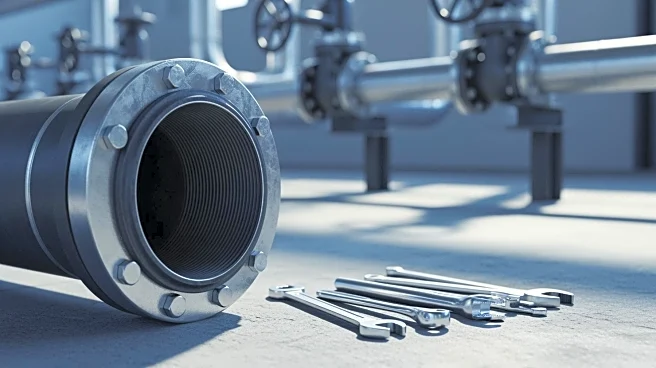
The European Union has proposed to fund the repair of the Druzhba oil pipeline, which has been a point of contention between Ukraine and Hungary. The pipeline, crucial for transporting oil to Hungary, was damaged, reportedly by Russian drone attacks.
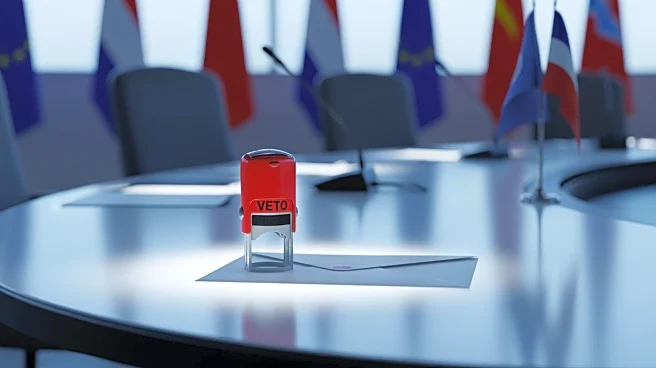
Hungary's Prime Minister Viktor Orbán accused Ukraine of intentionally delaying oil supplies, a claim denied by Ukrainian President Volodymyr Zelenskyy. In response, Orbán has vetoed a significant EU loan intended for Ukraine's military and economic needs and blocked new sanctions against Russia. The EU's offer of technical support and funding has been accepted by Ukraine, with European experts ready to assist immediately.
Why It's Important?
This development is significant as it highlights the geopolitical tensions within the EU regarding support for Ukraine amidst its ongoing conflict with Russia. Hungary's veto of the EU loan and sanctions against Russia underscores the complexities of EU member states' relationships and their individual dependencies on Russian energy. The EU's intervention to repair the pipeline aims to resolve the standoff and ensure continued support for Ukraine, which is crucial for its economic stability and military resilience. The situation also reflects the broader EU strategy to reduce dependency on Russian energy, a move that has been accelerated since 2022.
What's Next?
The EU's offer to repair the pipeline is expected to ease tensions between Ukraine and Hungary, potentially leading to the lifting of Hungary's veto on the EU loan. However, Orbán's insistence on uninterrupted oil supplies as a condition for lifting the veto suggests that negotiations may continue. The EU's ability to mediate and resolve this dispute will be crucial in maintaining unity among its member states and ensuring continued support for Ukraine. The outcome of these negotiations could also influence future EU policies on energy security and member state cooperation.