
What's Happening?
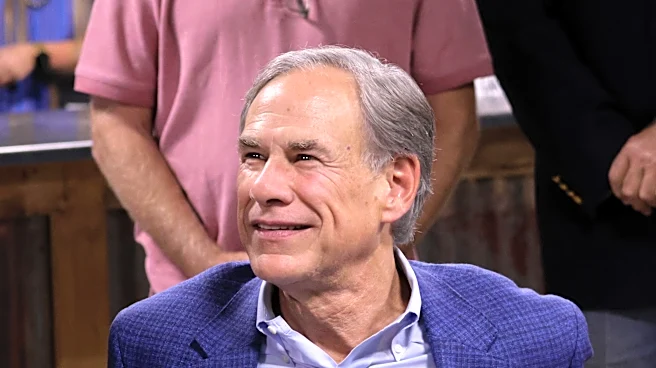
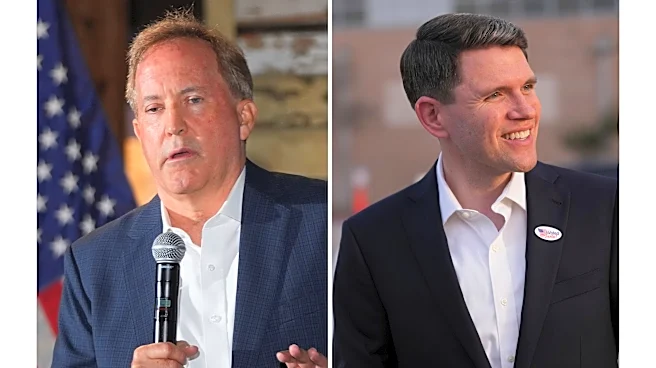
Texas Governor Greg Abbott and Attorney General Ken Paxton are spearheading efforts to combat alleged 'birth tourism' within the state. This initiative comes as a federal district court has temporarily
blocked an executive order by President Trump aimed at restricting the practice nationwide. The ruling last Wednesday marked a setback for President Trump's attempts to limit the Citizenship Clause of the Fourteenth Amendment, which grants U.S. citizenship to individuals born in the United States, regardless of their parents' legal status. President Trump's August executive order sought to revoke visas and permanently bar noncitizens coming to the U.S. solely to give birth and secure U.S. citizenship for their children. However, U.S. District Court Judge Deborah Boardman deemed President Trump's order 'almost certainly unconstitutional' in light of a prior Supreme Court ruling that upheld the Fourteenth Amendment's definition of birthright citizenship. Despite the federal block, Texas leaders are proceeding with their own measures, including investigations into healthcare providers and a lawsuit against a Houston-area postpartum care center accused of facilitating birth tourism.
Why It's Important?
The actions by Texas leaders and the federal court's decision highlight an ongoing national debate regarding birthright citizenship and immigration policies. The state's efforts to criminalize birth tourism and investigate related businesses could set a precedent for how states address immigration issues independently of federal directives. This situation also underscores the legal complexities surrounding the Fourteenth Amendment and executive power, with potential long-term implications for immigration law and policy. For businesses, particularly in the healthcare sector, increased scrutiny and potential legal action from state authorities could lead to significant operational changes and financial penalties. The focus on 'birth tourism' also reflects a broader political and societal concern about the perceived exploitation of U.S. citizenship laws, potentially influencing public opinion and future legislative efforts at both state and federal levels. The legal challenges to President Trump's executive orders demonstrate the checks and balances within the U.S. legal system regarding constitutional interpretations.
What's Next?
The lawsuit filed by Attorney General Ken Paxton against the De'Ai Postpartum Care Center is scheduled for its next hearing in Fort Bend County later this month, which could provide further clarity on the state's legal approach to birth tourism. Governor Abbott's directive for the Texas Health and Human Services Commission to investigate healthcare providers for involvement in birth tourism suggests ongoing state-level enforcement actions. These investigations could lead to license revocations for businesses found to be in violation, potentially impacting the healthcare industry in Texas. State Representative Brian Harrison has called for a special session of the Texas Legislature to make birth tourism a state felony, indicating potential legislative action in the future. The ongoing legal battles and state initiatives are likely to continue shaping the discourse around birthright citizenship and immigration enforcement, potentially leading to further court challenges and policy adjustments at both state and federal levels.
Beyond the Headlines
This situation delves into the ethical and legal interpretations of the Fourteenth Amendment's Citizenship Clause, particularly concerning the intent behind birth in the U.S. The debate extends beyond legal technicalities to broader questions of national sovereignty, immigration ethics, and the definition of citizenship. The focus on 'birth tourism' also brings to light the role of private enterprises in facilitating immigration-related activities, raising questions about their accountability and regulatory oversight. The differing approaches between the federal government and the state of Texas illustrate the complexities of federalism in the U.S., where states can pursue their own policies even when federal actions are challenged or blocked. Furthermore, the discussion touches upon the economic aspects of such practices, with former U.S. Border Patrol agent Ammon Blair highlighting the lucrative nature of transnational networks involved in human smuggling, which could prompt a reevaluation of enforcement strategies and international cooperation.