
What's Happening?
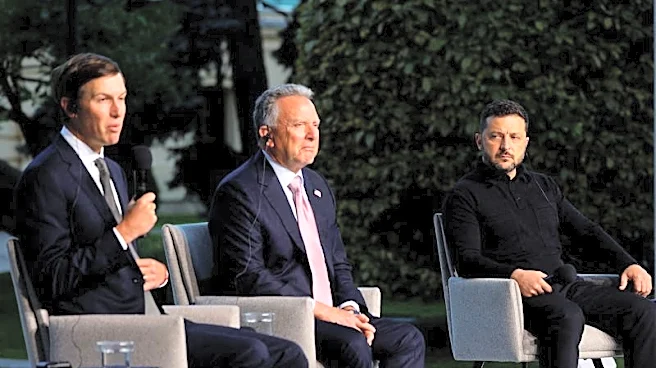
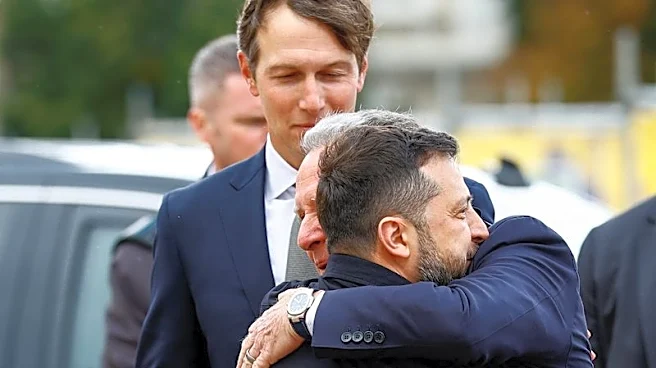
President Trump's administration has renewed its diplomatic efforts concerning the Russia-Ukraine war, with special envoys Jared Kushner and Steve Witkoff holding meetings with Russian and Ukrainian presidents. This diplomatic push, which also included
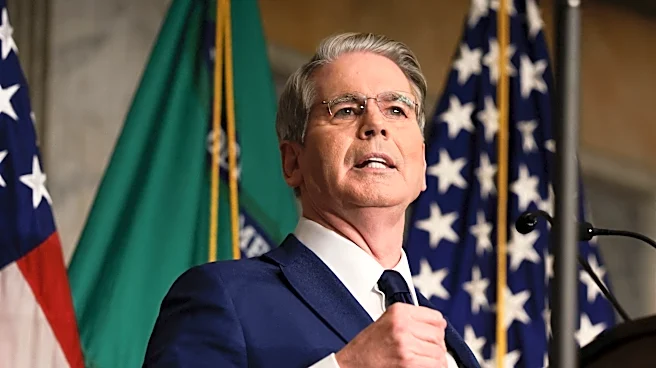
a visit by CIA Director John Ratcliffe to Moscow, is reportedly tied to the upcoming American midterm elections. The administration's focus has shifted to Ukraine after the conflict with Iran, which had been a primary concern, stalled. The war in Iran and dissatisfaction with President Trump's handling of the economy, particularly rising fuel prices, have contributed to his declining approval ratings. Fuel prices have significantly increased, with gasoline up 30% and diesel nearly 60% since the US and Israel's military operation against Iran. The administration is now attempting to gain political capital by making progress on the Ukraine front before November's elections, with Treasury Secretary Scott Bessent and Energy Secretary Chris Wright attributing higher fuel prices to Ukrainian strikes on Russian refineries.
Why It's Important?
This strategic pivot by President Trump's administration highlights the significant influence of domestic political considerations, specifically the midterm elections, on U.S. foreign policy. The perceived need to address declining approval ratings and economic concerns, such as rising fuel prices, is driving diplomatic engagement in the Russia-Ukraine war. This approach suggests that foreign policy initiatives may be shaped more by electoral calculations than by a singular focus on international stability or conflict resolution. For U.S. voters, this could mean that the administration's actions in Ukraine are primarily aimed at demonstrating progress to improve electoral prospects, rather than achieving a comprehensive peace. The attribution of rising fuel prices to Ukrainian actions, while potentially obscuring other factors, could also influence public opinion and support for Ukraine, impacting future aid and policy decisions. This intertwining of domestic politics and international relations has significant implications for the credibility and effectiveness of U.S. diplomacy.
What's Next?
The Trump administration's diplomatic efforts are expected to continue with a focus on demonstrating progress in the Russia-Ukraine war before the midterm elections. This could involve attempts to establish a more permanent negotiating format, such as a trilateral or trilateral-plus format involving Ukraine, Russia, and the U.S., potentially with European involvement. Such a development would be presented to American voters as evidence of the administration's headway on critical issues like fuel prices. Ukraine, facing a difficult winter, may engage in these talks to secure expanded U.S. support, including potential LNG shipments, air-defense munitions, and financial aid, which have reportedly dwindled since President Trump took office. The Kremlin, for its part, may participate, calculating that time is on its side given President Trump's electoral vulnerability and a perceived shift in European political sentiment. However, the effectiveness of these talks in achieving a durable peace remains uncertain, as Russia may continue its military actions regardless of diplomatic engagement.
Beyond the Headlines
The situation reveals a deeper trend where U.S. foreign policy can become a tool for domestic political maneuvering, particularly during election cycles. The administration's shift from the Iran conflict to the Russia-Ukraine war, driven by the need to 'bank some political capital,' underscores the instrumentalization of international crises for internal political gain. This approach raises ethical questions about the sincerity of diplomatic efforts and their potential to genuinely resolve conflicts versus merely creating an appearance of progress. The narrative control, such as attributing rising fuel prices to Ukrainian actions, highlights how information can be strategically framed to influence public perception and deflect blame. This dynamic can erode public trust in government and complicate international relations, as allies and adversaries alike may view U.S. diplomatic overtures with skepticism. Ultimately, the long-term implications include a potential weakening of consistent foreign policy, making it harder to build lasting international coalitions and achieve genuine peace.