






What's Happening?
The United Nations Office for the Coordination of Humanitarian Affairs (OCHA) has reported a deteriorating humanitarian situation in southern Afghanistan. As of Wednesday, November 4, health facilities in the region are experiencing overcrowding and a rise
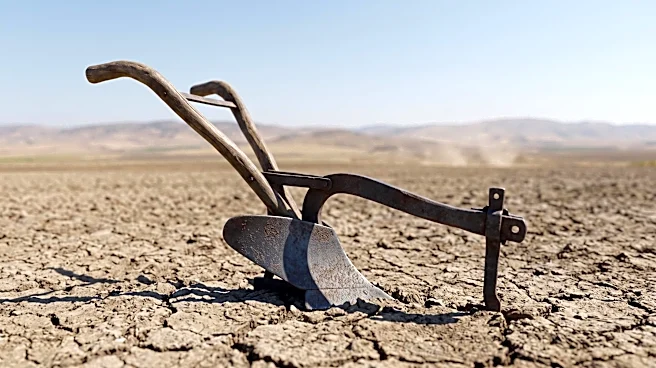
in hospital admissions due to severe malnutrition. OCHA indicates that widespread poverty and hunger are intensifying the difficulties faced by families, further straining their livelihoods. Families in southern Afghanistan are grappling with multiple crises simultaneously, while the resources available to provide assistance are diminishing. Afghanistan has been affected by several humanitarian crises in recent years, including poverty, hunger, malnutrition, climate change, and the impacts of droughts and floods. These ongoing crises have placed significant additional pressure on vulnerable families, increasing their need for humanitarian assistance.
Why It's Important?
The worsening humanitarian situation in southern Afghanistan, as reported by OCHA, highlights a critical and escalating crisis that demands international attention. The increase in severe malnutrition cases, particularly among children, signals a profound public health emergency with long-term consequences for the affected population. The strain on health facilities indicates a system on the brink of collapse, unable to cope with the growing demand for medical care. The confluence of poverty, hunger, and environmental disasters creates a cycle of vulnerability, making it extremely difficult for families to recover or build resilience. This situation underscores the urgent need for sustained humanitarian aid and robust international support to prevent further loss of life and to stabilize the region. Without immediate intervention, the crisis could lead to widespread famine, increased displacement, and a generation of children suffering from irreversible health and developmental issues.
What's Next?
In response to the deteriorating situation, OCHA and other humanitarian organizations will likely continue to appeal for increased international funding and resources to address the urgent needs in southern Afghanistan. Efforts will focus on providing emergency food assistance, nutritional support for severely malnourished children, and bolstering the capacity of overwhelmed health facilities. There will also be a continued push for improved access for humanitarian aid workers to reach the most vulnerable populations. Stakeholders, including international donors and aid agencies, will need to coordinate closely to ensure efficient delivery of aid and to implement long-term strategies for resilience-building, such as sustainable agriculture and climate adaptation programs. However, the ongoing challenges of security, political instability, and declining resources may complicate these efforts, requiring persistent advocacy and innovative approaches to humanitarian response.
Beyond the Headlines
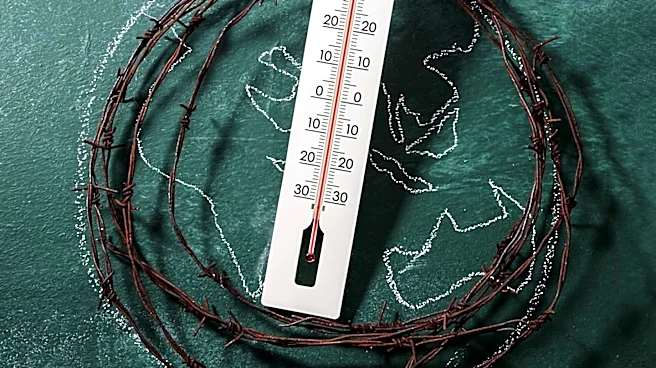
The crisis in southern Afghanistan extends beyond immediate humanitarian concerns, revealing deeper systemic issues related to governance, climate vulnerability, and global aid priorities. The continuous cycle of humanitarian crises in Afghanistan points to a failure in establishing sustainable development pathways and effective governance structures that can withstand internal and external shocks. The impact of climate change, manifested through droughts and floods, disproportionately affects already vulnerable communities, exacerbating food insecurity and displacement. This situation also raises ethical questions about the international community's responsibility to protect populations in conflict-affected and climate-vulnerable regions. The long-term implications include potential regional instability, increased migration pressures, and the erosion of human development gains, underscoring the need for comprehensive, politically informed, and climate-resilient solutions rather than short-term emergency responses.