
What's Happening?
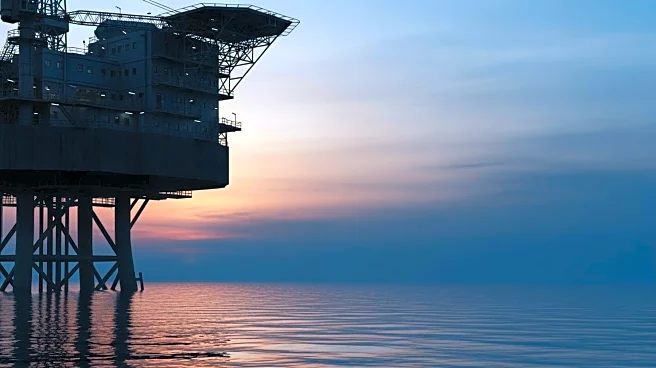
The Ukrainian Armed Forces have claimed responsibility for a drone strike on a Russian drilling rig in the Caspian Sea, resulting in the shutdown of 14 wells. This action is part of Ukraine's strategy
to target Russian oil and gas infrastructure, aiming to weaken Moscow's war economy. The rig is owned by Russia's state-controlled Lukoil. While Ukraine asserts the success of the strike, Newsweek has not independently verified these claims, and Russia typically disputes such assertions. The attack marks the first time facilities in the Caspian Sea have been targeted by Ukraine. This move is part of a broader effort to apply financial pressure on Russia, which is already grappling with high inflation and the threat of recession due to war-related sanctions.
Why It's Important?
The drone strike on the Caspian Sea rig underscores Ukraine's strategic efforts to disrupt Russia's oil-dependent economy, which is crucial for funding its military operations. The ongoing conflict has led to significant economic challenges for Russia, exacerbated by Western sanctions targeting its oil sector. The U.S. Treasury has recently imposed new sanctions on major Russian oil producers, Lukoil and Gazprom, to further pressure the Kremlin. These actions are part of a larger geopolitical struggle, with Ukraine seeking to leverage economic warfare to force Russia into peace negotiations. The impact of these strikes could potentially alter the dynamics of the conflict, affecting global oil markets and international diplomatic efforts.
What's Next?
Peace negotiations between Ukraine and Russia are ongoing, with the U.S. and Ukraine preparing new proposals for Russia. Key issues include territorial concessions and the future security architecture of Ukraine. Ukraine insists on not recognizing Russian sovereignty over occupied territories and demands Western peacekeeping troops post-conflict. However, Russia opposes the presence of NATO troops in Ukraine. The outcome of these negotiations could significantly influence the future of the region and international relations. The continued economic pressure on Russia may also affect its strategic decisions and willingness to engage in meaningful peace talks.