



What's Happening?
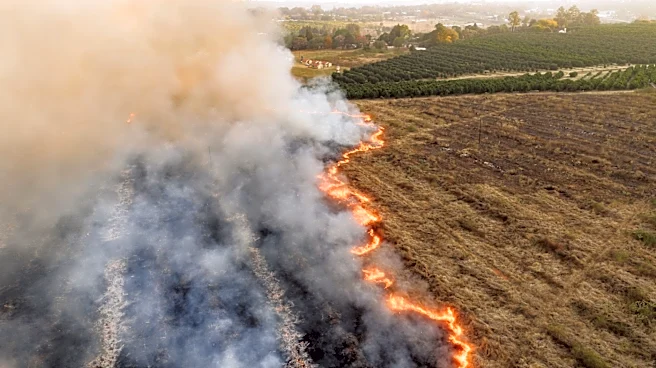
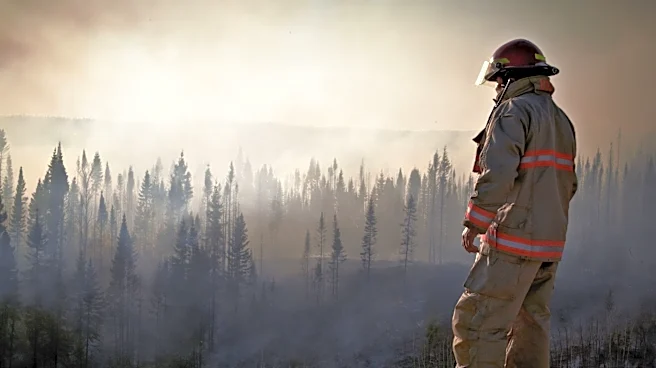
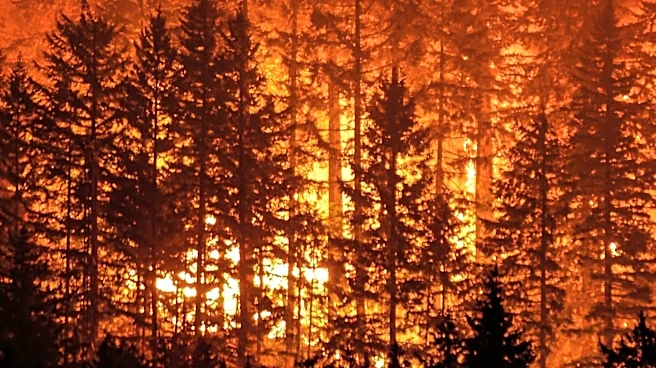
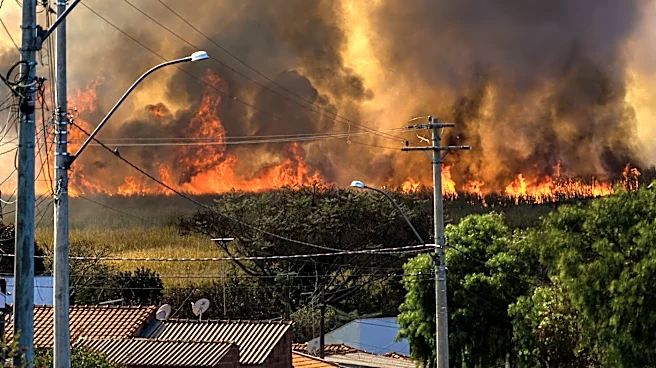
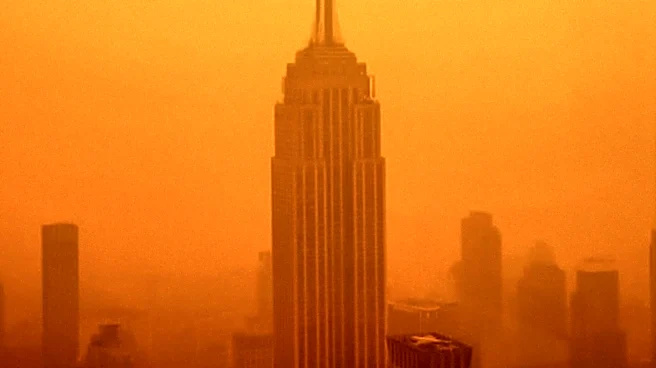
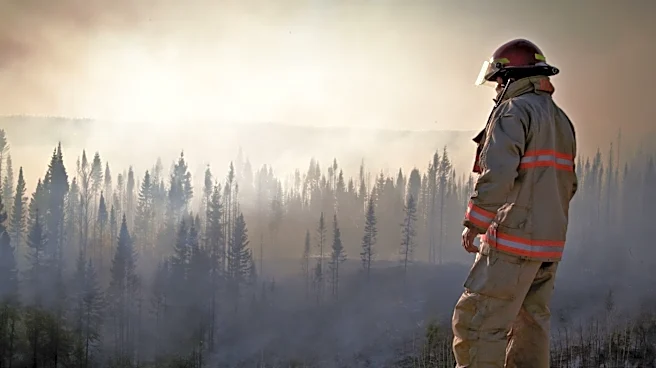
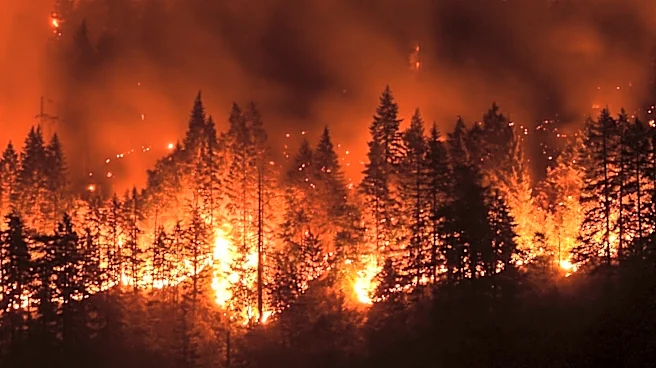
Wildfire smoke from large fires in the northwestern U.S. and western Canada is affecting air quality in the region and may spread to the Midwest and East. Currently, almost three dozen large wildfires are burning in areas like Oregon and Washington, exacerbated
by extreme heat and lightning strikes. While smoke is present, it is mostly aloft, unlike a previous event where ground-level smoke caused significant air quality issues in the Midwest and Northeast. The current situation may lead to hazy skies and colorful sunsets but is not expected to cause widespread unhealthy air quality.
Why It's Important?
The potential spread of wildfire smoke to the Midwest and East highlights the ongoing challenges posed by wildfires, particularly in the context of climate change. Poor air quality can have serious health implications, especially for vulnerable populations such as those with respiratory conditions. The situation underscores the need for effective wildfire management and preparedness strategies to mitigate health risks. Additionally, it raises awareness about the broader environmental impacts of wildfires and the importance of addressing climate-related factors contributing to their frequency and intensity.
What's Next?
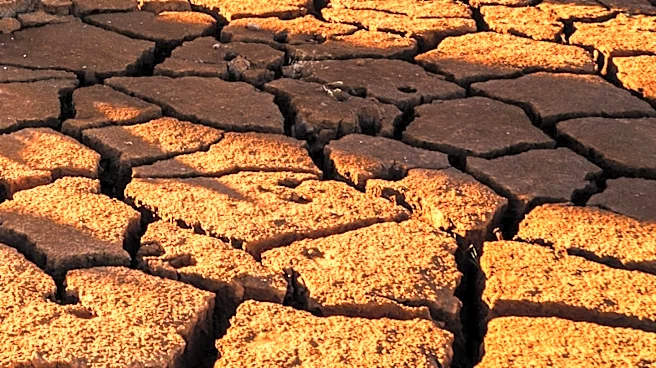
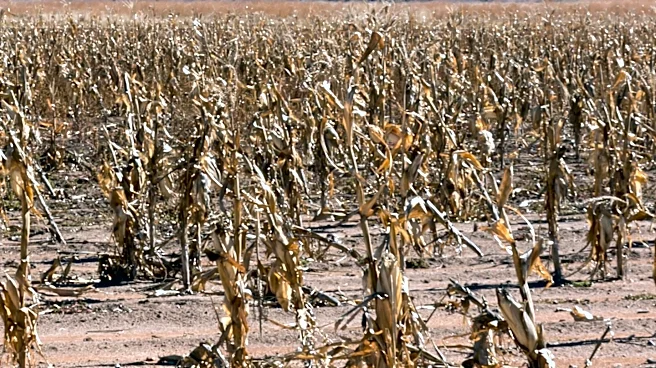
As the wildfire season continues, there is a possibility of more significant smoke events affecting the U.S. The strengthening El Niño pattern could lead to hotter and drier conditions, increasing the risk of wildfires. Monitoring air quality and providing timely public health advisories will be crucial in managing the impact of smoke on communities. Efforts to reduce wildfire risks through improved land management and climate adaptation strategies will be essential in the long term.