



What's Happening?
The Indiana Senate Corrections and Criminal Law committee has passed an amended doxing bill, while a separate bill proposing the use of firing squads for executions remains under consideration. The doxing bill, authored by State Sen. Vaneta Becker, aims
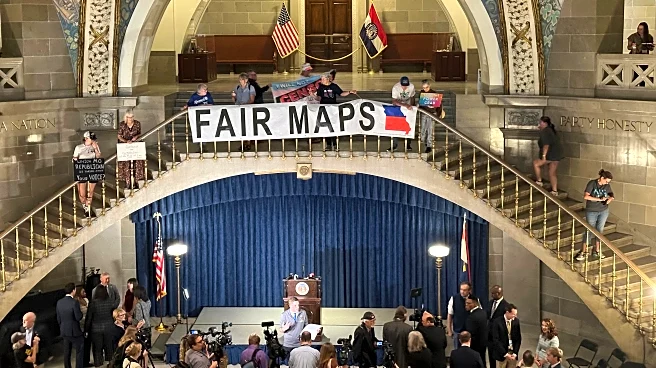
to criminalize the act of posting personal information online with the intent to harm, categorizing it as a Class A misdemeanor or a Level 6 felony if it results in serious injury or death. The bill was prompted by incidents of doxing and swatting experienced by state senators during discussions on mid-census redistricting. Meanwhile, Senate Bill 11, which would allow firing squad executions if lethal injection drugs are unavailable, has been postponed for further discussion. The bill, introduced by State Sen. Michael Young, addresses the challenges Indiana faces in obtaining execution drugs due to pharmaceutical companies' reluctance to supply them.
Why It's Important?
The passage of the doxing bill reflects growing concerns over privacy and safety in the digital age, as doxing can lead to severe consequences for targeted individuals. By criminalizing such actions, the bill seeks to protect individuals from harassment and potential harm. On the other hand, the firing squad bill highlights ongoing debates about the death penalty and the methods used for execution. The proposal to use firing squads underscores the difficulties states face in carrying out capital punishment due to drug shortages and ethical concerns. These legislative actions could influence public policy and legal standards regarding privacy, safety, and capital punishment in Indiana and potentially set precedents for other states.
What's Next?
The doxing bill will proceed to the full Senate for further consideration. If passed, it could become a model for other states grappling with similar issues of online harassment and privacy violations. The firing squad bill will be revisited by the committee, with discussions likely to focus on ethical implications and public transparency. Stakeholders, including civil rights organizations and legal experts, may continue to voice their opinions on both bills, potentially influencing their final outcomes. The decisions made by the Indiana legislature could have broader implications for how states address privacy concerns and the administration of the death penalty.