



What's Happening?
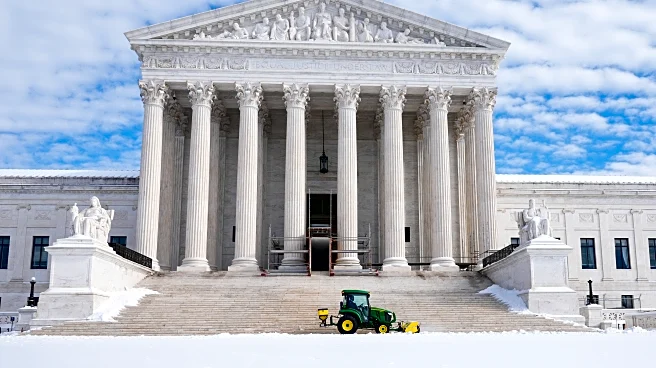
The U.S. Congress is under pressure to finalize the Department of Homeland Security (DHS) budget following a narrow House vote that ended a partial federal government shutdown. The House passed a bill to fund most government offices through September,
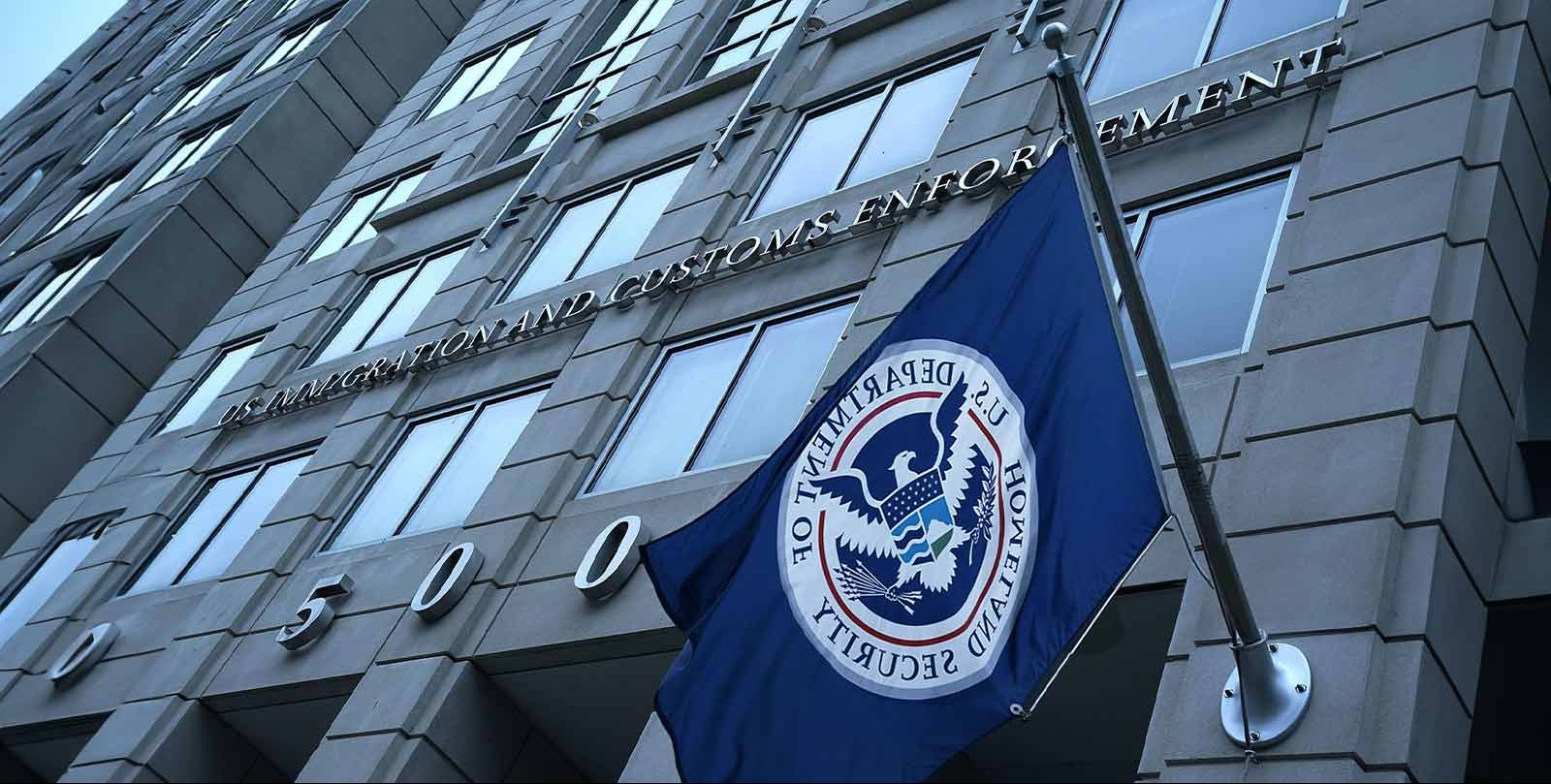
but lawmakers now have less than two weeks to negotiate the DHS budget. A significant point of contention is the approach to immigration enforcement. Democrats are advocating for a mandate requiring immigration officers to make arrests only with judicial warrants, arguing that DHS-issued administrative warrants may violate constitutional rights. Additionally, there is disagreement over whether agents should wear face coverings, with Democrats pushing for a ban and Republicans largely opposing it.
Why It's Important?
The outcome of these negotiations could significantly impact U.S. immigration policy and enforcement practices. If Congress fails to reach an agreement, it could lead to another government shutdown, affecting various federal operations. The debate over judicial versus administrative warrants touches on broader issues of civil liberties and the balance of power between federal agencies and the judiciary. The decision on face coverings for agents also reflects ongoing tensions between privacy concerns and security measures. These discussions are crucial as they could set precedents for how immigration laws are enforced and how federal agencies operate under constitutional constraints.
What's Next?
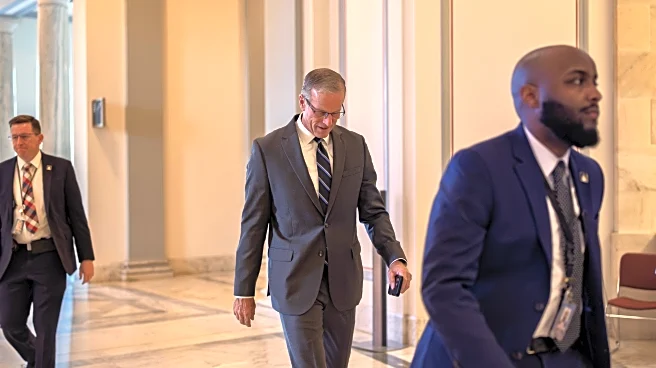
As the deadline approaches, both parties will need to find common ground to avoid a shutdown. The negotiations will likely involve intense discussions on the specifics of immigration enforcement and the broader implications for DHS operations. Political leaders may face pressure from constituents and advocacy groups on both sides of the immigration debate. The outcome could influence future legislative efforts related to immigration and homeland security, potentially affecting the political landscape ahead of upcoming elections.