







What's Happening?
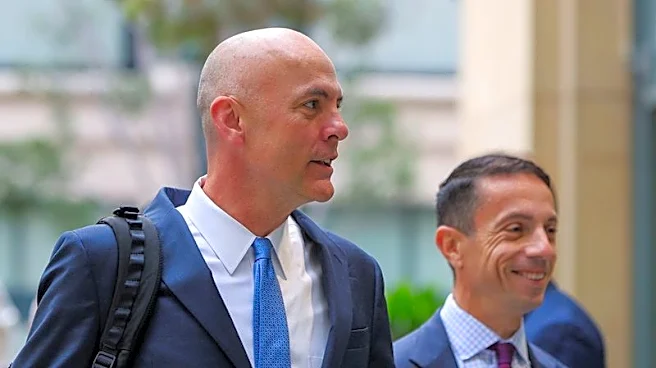
During a social media addiction trial in Oakland, Instagram head Adam Mosseri testified that the platform's 'Take a Break' feature, designed to encourage users to step away from the app, initially saw modest adoption among teenagers. An internal Meta
document from 2021, presented during the testimony, indicated that only 1.8% of teens had activated the feature. This contrasts with Instagram's public blog post in December 2021, which highlighted that over 90% of teens who turned on 'Take a Break' kept it on, without disclosing the low initial activation rate. Mosseri explained that the company had to make significant changes over the years to increase adoption, including implementing notifications to encourage activation and eventually making it a default setting for teen accounts. The trial involves a coalition of attorneys general, led by California Attorney General Rob Bonta, who accuse Meta of designing its platforms to exploit young users for profit and contributing to a national mental health crisis among teens.
Why It's Important?
This revelation is significant as it exposes a potential discrepancy between Meta's public messaging about its well-being features and the actual user engagement, particularly among its younger demographic. The low adoption rate of 'Take a Break' suggests that passive features, even when well-intentioned, may not be sufficient to counter the addictive design elements of social media platforms. This testimony could strengthen the arguments of attorneys general and mental health advocates who claim that social media companies prioritize engagement over user well-being. It also highlights the challenges in effectively implementing digital well-being tools and the need for more proactive and perhaps mandatory measures to protect young users. For parents and policymakers, this information underscores the complexity of ensuring online safety and the potential for companies to present a favorable public image while internal data tells a different story. The ongoing legal scrutiny could lead to more stringent regulations regarding platform design and transparency in reporting user engagement with safety features.
What's Next?
The ongoing social media addiction trial will likely continue to scrutinize Meta's internal practices and the effectiveness of its safety features. The testimony regarding 'Take a Break's' low adoption could influence the court's perception of Meta's commitment to youth well-being and potentially impact the outcome of the lawsuit. In response to such revelations and increasing public pressure, Meta may be compelled to further refine its existing safety tools or introduce new, more impactful measures that are less reliant on user opt-in. Other social media companies may also face increased pressure to disclose similar internal data and demonstrate the efficacy of their own well-being features. This trial could serve as a catalyst for broader industry changes, potentially leading to new standards for digital well-being features, greater transparency in their reporting, and more proactive approaches to protecting young users from potential harms associated with social media use.
Beyond the Headlines
The discrepancy between Instagram's public statements and internal data regarding 'Take a Break' adoption raises deeper questions about corporate transparency and the ethics of platform design. It highlights the tension between business models that thrive on user engagement and the growing societal concern for mental health, especially among adolescents. This situation could fuel public distrust in tech companies' self-regulatory efforts and intensify calls for external oversight and regulation. Furthermore, it prompts a critical examination of how 'well-being' features are conceived and implemented. Are they genuinely designed to empower users, or are they primarily a public relations strategy? The challenge lies in creating tools that genuinely help users manage their digital consumption without undermining the core business objectives of these platforms. This case could contribute to a re-evaluation of the balance between technological innovation and social responsibility in the digital age.