






What's Happening?
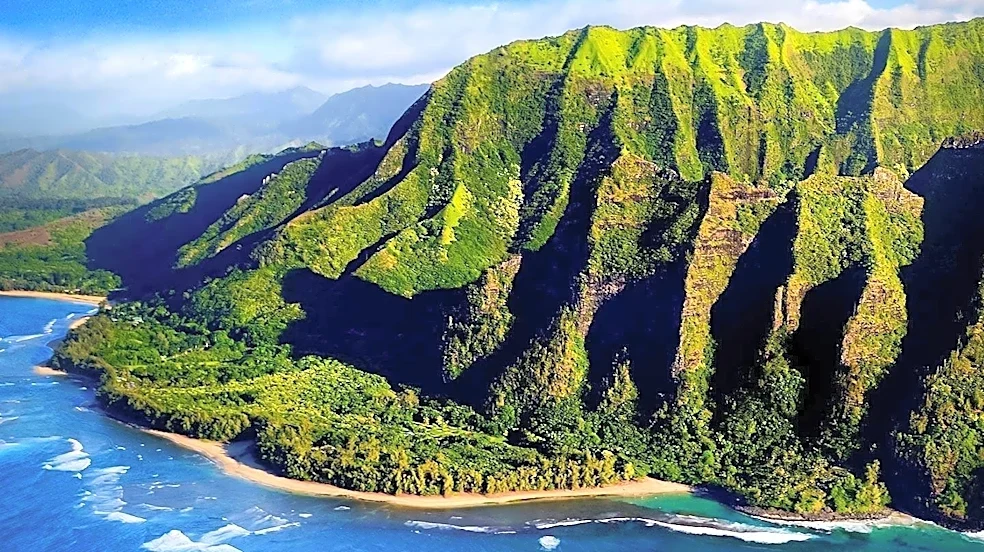
Hawaii County has successfully acquired 364 acres of land known as Honolulu Landing along the Puna coast, ensuring its permanent preservation. This acquisition marks the culmination of decades of community-led efforts to protect the culturally and ecologically
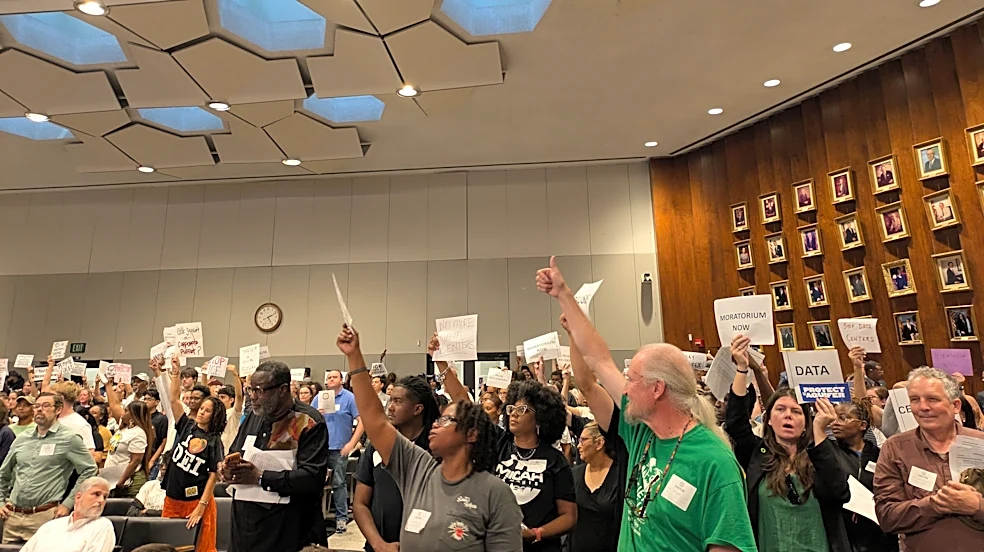
significant site, which is situated between Waiakahiula and Nanawale Forest Reserve. The land was purchased for $3.7 million, a decision that received unanimous support from the Puna Council and was announced by Mayor Kimo Alameda in May. The community celebrated this milestone with an event featuring performances and a blessing ceremony, highlighting the deep connection residents have to the land. Former Councilwoman Emily Naeole, who advocated for Honolulu Landing to be placed on the Public Access, Open Space and Natural Resources Preservation Commission (PONC) list in 2006, expressed her joy at the outcome. Eileen O’Hara, executive director of Malama O Puna, emphasized the collaborative community effort, including thousands of petition signatures and hundreds of testimonies at council meetings, that led to this preservation.
Why It's Important?
The acquisition of Honolulu Landing is significant for several reasons, primarily its cultural and ecological value. The site represents one of Hawaii Island’s traditional ahupuaʻa, a Native Hawaiian land division system that promoted sustainable living by ensuring communities had access to essential land and water resources. Preserving this land safeguards a vital piece of Hawaiian heritage and provides opportunities for future generations to learn about the ahupuaʻa lifestyle. Furthermore, the purchase prevents potential development, which was a major concern for the community given the land's A1A zoning that allowed for one-acre parcel divisions. This action ensures that the natural landscape and its ecological integrity are maintained. For the Puna district, which has experienced significant loss of ocean access due to volcanic activity, the acquisition of Honolulu Landing also provides crucial coastal accessibility, benefiting residents of all ages. The involvement of lineal descendants in guiding the land's future management ensures that its stories and culture are honored.
What's Next?
With the county now owning Honolulu Landing, local organizations are eligible to receive grant funding to steward the area. Lineal descendant Lilinoe Keliipio-Young has expressed hopes of restoring historic village structures on the land and establishing educational programs for students and the general public focused on the ahupuaʻa lifestyle system. Councilwoman Ashley Kierkiewicz emphasized the importance of lineal descendants, specifically the Keliipio and Kuamoʻo families, in guiding the future of the land to ensure meaningful preservation that honors its cultural significance. Amadeo Markoff, a PONC representative for Puna, hopes that this acquisition will pave the way for the county to acquire additional properties in the area, further enhancing coastal access and preserving more of Puna's unique environment. The community anticipates continued collaboration to develop and implement plans for the site's long-term care and educational use.
Beyond the Headlines
The preservation of Honolulu Landing extends beyond a simple land acquisition; it represents a powerful affirmation of community advocacy and the enduring value of cultural and environmental stewardship. This case highlights the effectiveness of grassroots movements in influencing public policy and securing tangible outcomes against potential commercial development pressures. The emphasis on involving lineal descendants in the future management of the land underscores a growing recognition of indigenous knowledge and traditional practices in conservation efforts. This approach not only protects the physical landscape but also ensures the continuity of cultural narratives and sustainable living philosophies. The success of this initiative could serve as a model for other communities facing similar challenges, demonstrating how collective action and strategic engagement with local government can lead to the protection of invaluable natural and cultural resources for perpetuity. It also reflects a broader societal shift towards prioritizing ecological and cultural heritage over unchecked development.