






What's Happening?
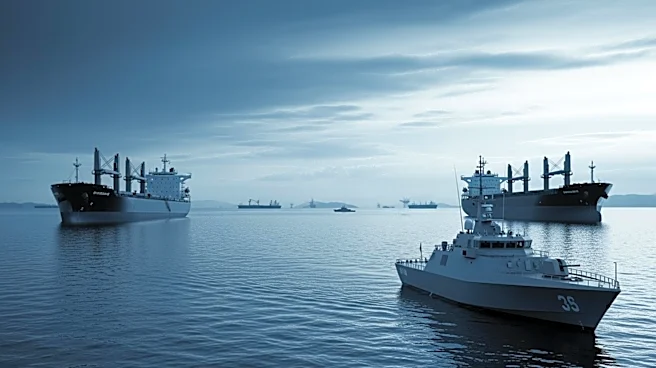
Iran has issued a warning to the United States regarding its naval blockade, which Iran perceives as an act of war. The U.S. has demanded that Iran relinquish its enriched uranium and ensure free oil transit through the Strait of Hormuz. In response,
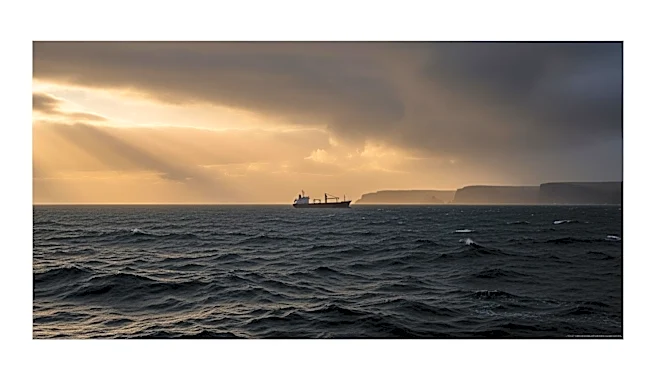
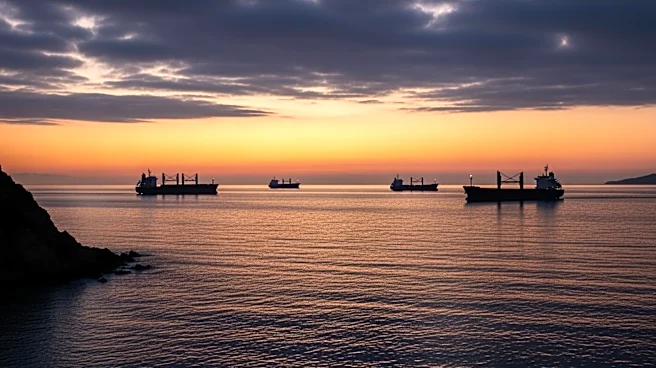
Iran has communicated its negotiating demands to Pakistan, which is mediating between the two nations. The U.S. Secretary of War, Pete Hegseth, announced that the blockade is expanding globally, requiring U.S. Navy approval for vessels traveling to or from Iranian ports. Iran's top military command has threatened a response if the blockade continues, labeling U.S. maritime operations as 'armed piracy.' The Strait of Hormuz, a critical energy chokepoint, remains a focal point in the ongoing tensions.
Why It's Important?
The situation underscores the fragile state of U.S.-Iran relations and the potential for escalation in the region. The Strait of Hormuz is a vital passage for global oil supplies, and any disruption could have significant implications for international energy markets. The U.S. blockade aims to pressure Iran into compliance with nuclear negotiations, but it also risks provoking military conflict. The involvement of Pakistan as a mediator highlights the international dimension of the standoff, with potential impacts on regional stability and global diplomatic efforts to resolve the nuclear issue.
What's Next?
The continuation of the blockade and Iran's response will likely influence the trajectory of negotiations. The U.S. insists on maintaining the blockade until an agreement is reached, while Iran's resistance could lead to further diplomatic or military actions. The role of Pakistan as a mediator may evolve, depending on the progress of talks and the willingness of both parties to compromise. The international community will be closely monitoring the situation, as any escalation could have widespread repercussions.