



What's Happening?
Conservationists are raising concerns about the Trump administration's Environmental Protection Agency (EPA) policies, which they claim are reversing progress in reducing air pollution over national parks. The EPA has approved state plans that conservationists
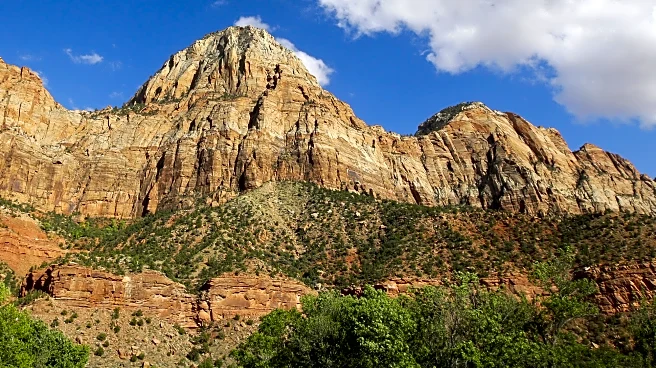
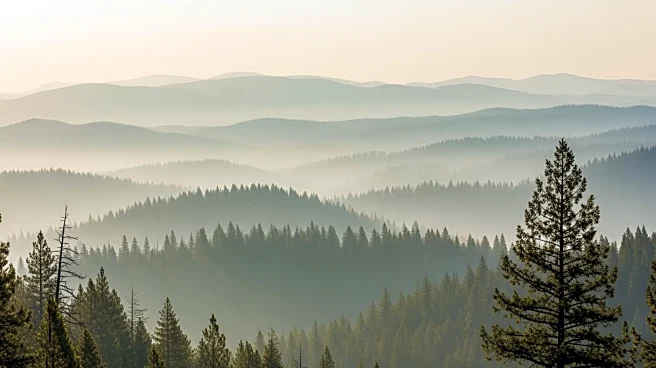
argue are insufficient in controlling emissions from coal plants, potentially leading to increased haze in parks. The regional haze rule, which mandates states to limit emissions affecting visibility in national parks, is being weakened under the current administration. This shift has led to legal challenges from environmental groups who argue that the new policies allow polluting facilities to continue operations without adequate pollution controls.
Why It's Important?
The potential rollback of environmental regulations by the EPA could have significant implications for air quality and visibility in national parks, which are vital for tourism and ecological preservation. The changes may undermine decades of progress in reducing emissions and improving air quality, affecting both the environment and public health. The policy shift reflects broader tensions between environmental protection and energy production, particularly the reliance on coal as a power source. The outcome of this policy change could influence future regulatory approaches and the balance between economic and environmental priorities.
What's Next?
The EPA's policy changes are subject to ongoing legal challenges from environmental groups, which could result in court rulings that either uphold or overturn the current administration's approach. The outcome of these cases will likely impact future regulatory frameworks and state compliance with federal environmental standards. Additionally, public and political pressure may influence the EPA's decisions, especially as awareness of environmental issues grows. The situation underscores the importance of continued advocacy and monitoring by conservationists to ensure that national parks remain protected from pollution.